

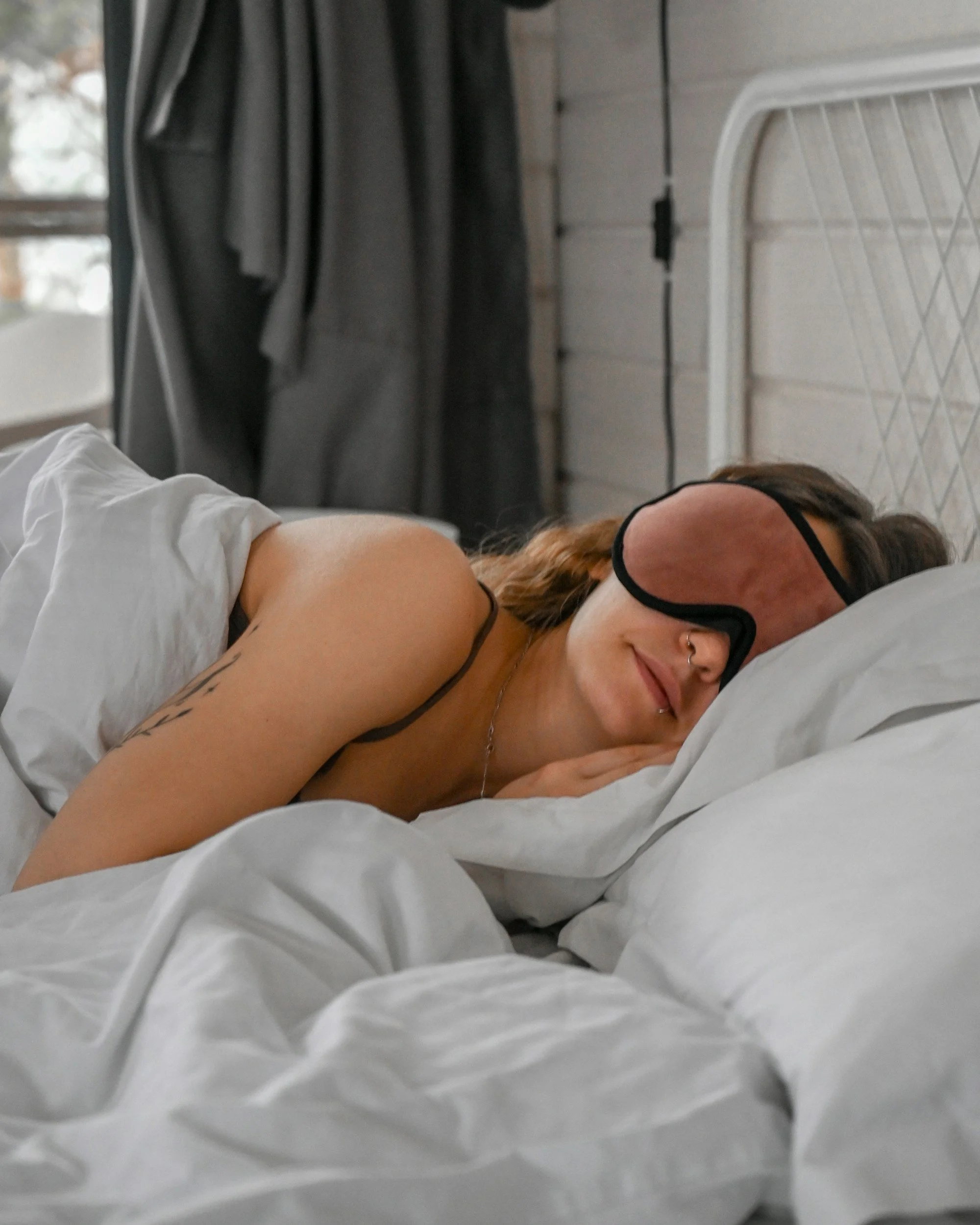
Rest After Summer: How to Restore Your Sleep and Energy Before the “Real” Year Begins
Summer quietly disrupts our sleep. Shorter nights, changing schedules, late dinners, and screens at all hours can leave us arriving in September with accumulated sleep debt without even realizing it. And although the calendar says that “the year is just beginning,” the body has already been carrying weeks of irregular sleep. Recovering your rest is not a luxury before getting back into your routine: it is the foundation that allows you to sustain it.
The Female Body After 35: The Changes No One Clearly Explains and How to Care for Yourself at Every Stage
After 35, many women begin to notice changes in their bodies that no one clearly explained to them. It is not that something is “wrong”; the body is entering a long, gradual stage of hormonal transition that most women discover through trial and error, comparing symptoms with friends or searching for scattered answers online. Understanding what is happening and why is the first step toward navigating this stage with real information rather than fear.
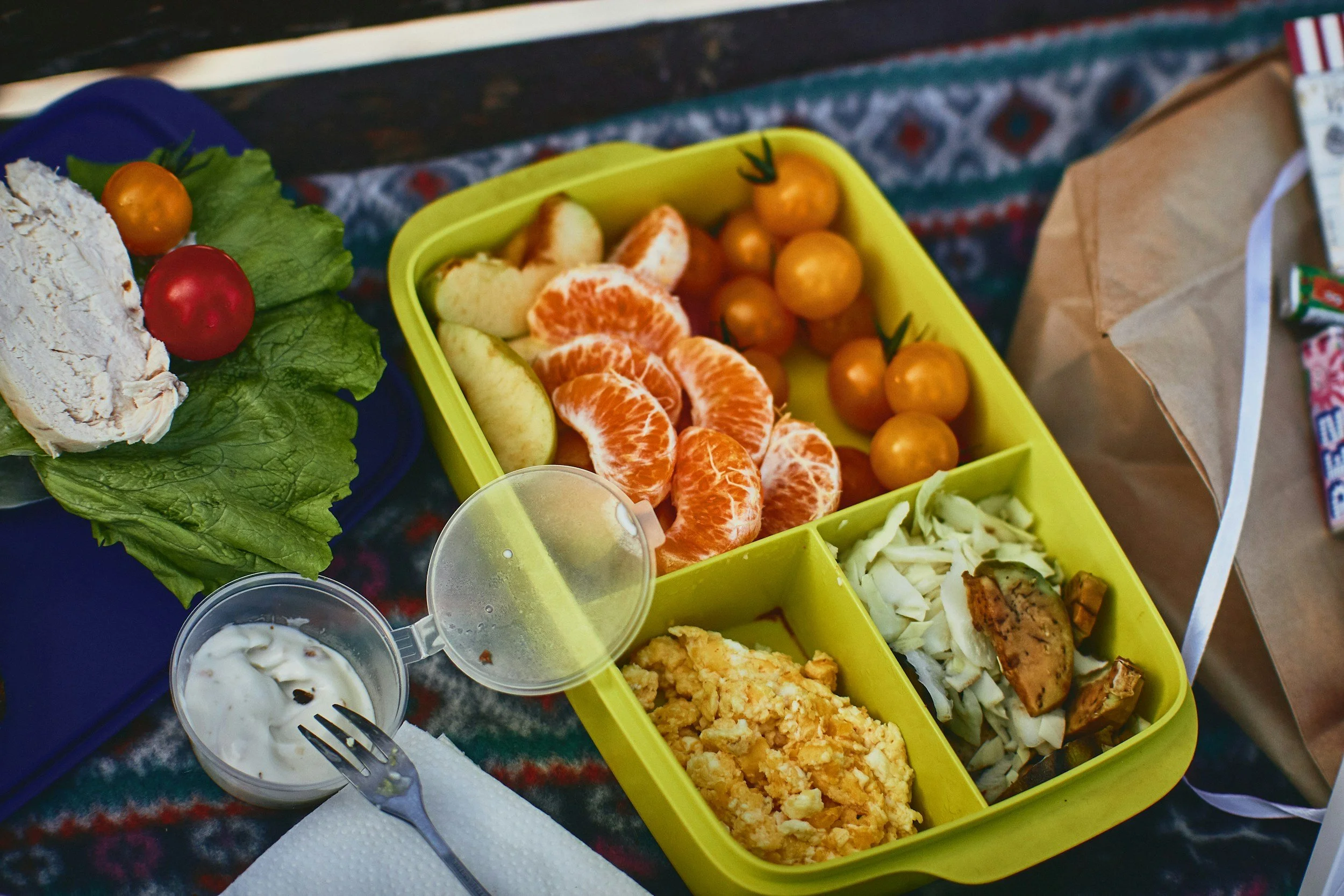
Feeding Your Kids After They Go Back to School: How to Pack Nutritious Lunchboxes Without Losing Your Mind or Overspending
August arrives, the countdown to back-to-school begins, and with it comes a task that repeats five days a week throughout the entire year: what to put in the lunchbox. Between wanting your children to eat healthy, the lack of extra time in the mornings, and the need to stick to a budget, packing lunches can become a daily source of stress. The good news is that it can be handled simply, without resorting to either guilt or excessive spending.

Pet Health in Late Summer: What August Heat Does to Your Dog or Cat and What to Do
When we think about caring for our family during the summer, we often forget that there is another family member quietly suffering from the heat: your dog or cat. August brings the season’s highest and most sustained temperatures, and unlike us, they cannot take off a layer of clothing or ask for a glass of cold water when they need one. Understanding what happens to their bodies during these days is the best way to prevent an emergency.
The Grief of Summer Ending: Why September Can Be Emotionally Difficult and How to Navigate It Well
There is a kind of grief that almost no one talks about, but that nearly all of us feel: the grief that arrives when summer fades away. One day you are standing with your feet in the water, without fixed schedules, with that elastic sense of time that only summer can give you, and the next you are already organizing backpacks, checking calendars, and feeling that the “real” year is only just beginning in September. That shift, although it may seem minor, has a name and an explanation: it is a real form of grief, and your body and mind process it as such.
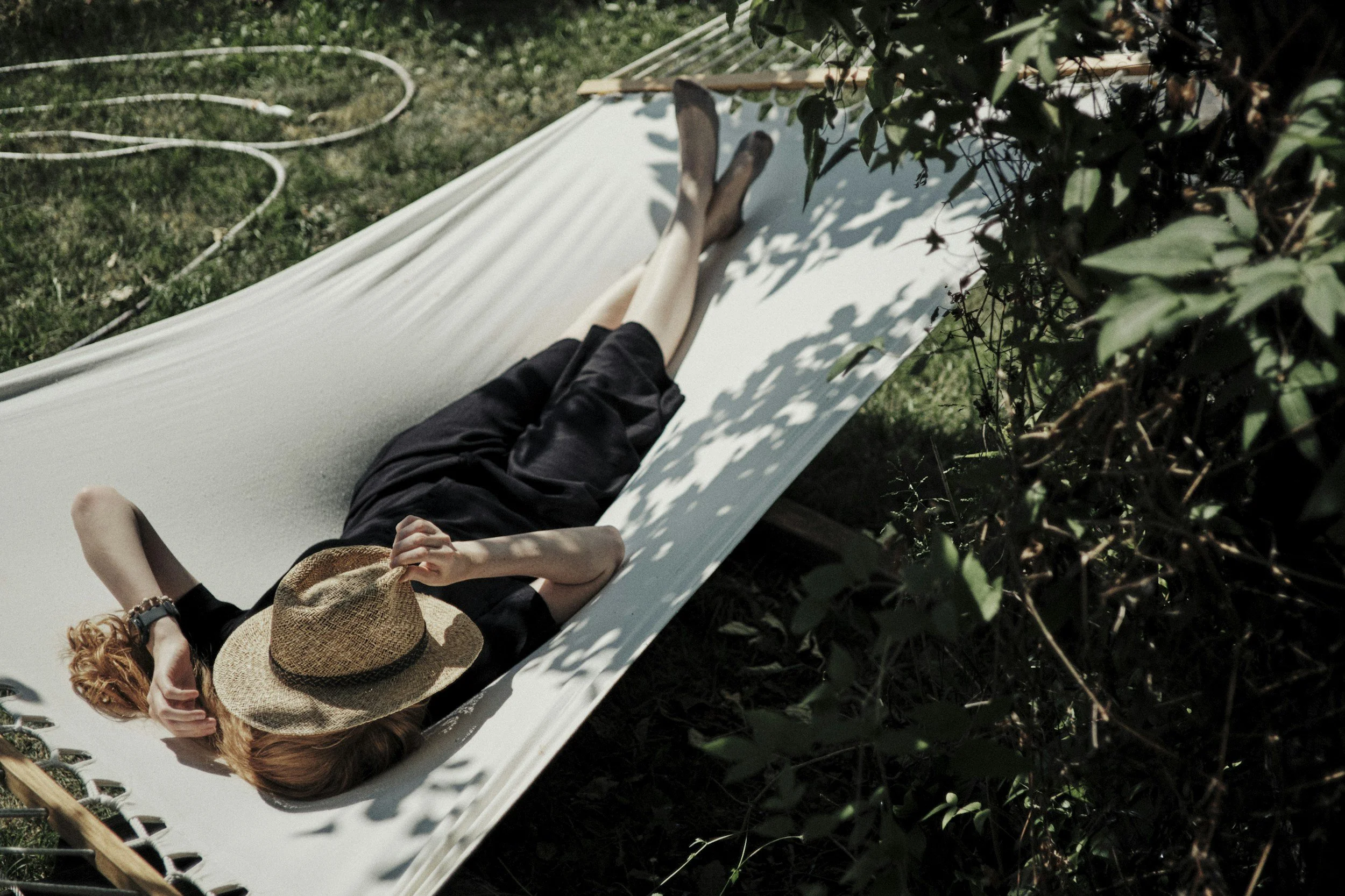
Real Rest vs. Active Vacations: How to Choose the Kind of Rest Your Body and Mind Actually Need This Summer
The tension between the person who wants a vacation where absolutely nothing happens and the person who wants to use every minute to see everything and do everything isn't simply a difference in preferences between different people. It is often an internal conflict within the same person—someone who genuinely needs rest while simultaneously feeling that doing nothing is a waste of time.
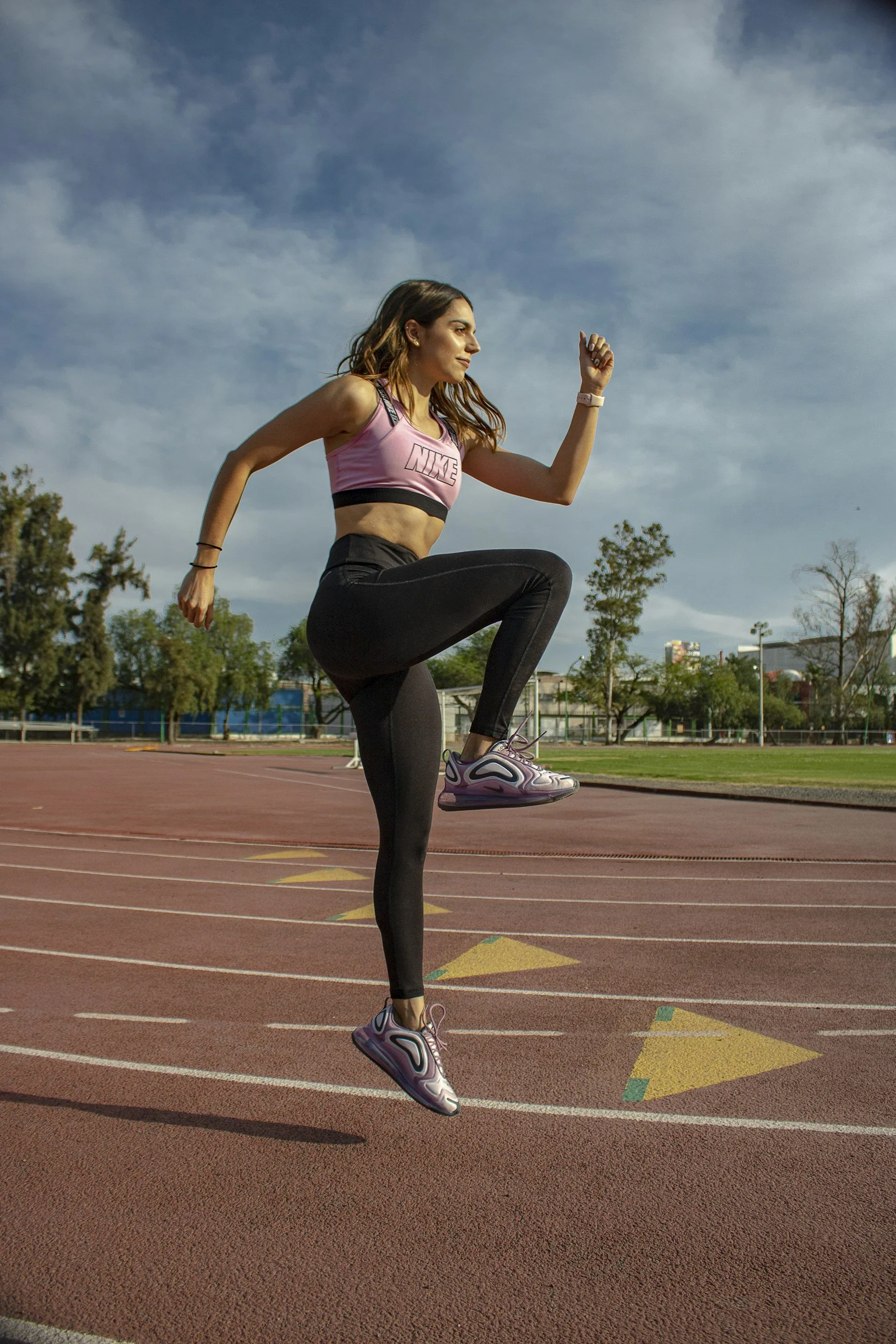
Moving in Summer Without Overheating: How to Exercise When the Heat Makes Everything Feel Twice as Hard
There is a pattern that repeats itself every summer: someone who had a consistent exercise routine in April and May reaches July and realizes that the routine has gradually fallen apart since the heat arrived.
That isn't necessarily a lack of discipline or willpower. It's often the rational response of a body experiencing heat as an additional physical load on top of exercise.
Mental Health on Vacation: Why Summer Doesn't Always Feel the Way It Should—and How to Handle It
The idea that summer is the happiest, freest, and most enjoyable season of the year has a rarely discussed side effect: when people don't experience summer that way, they can start to feel as though something is specifically wrong with them. The emotional reality of summer is considerably more complicated than that narrative suggests.
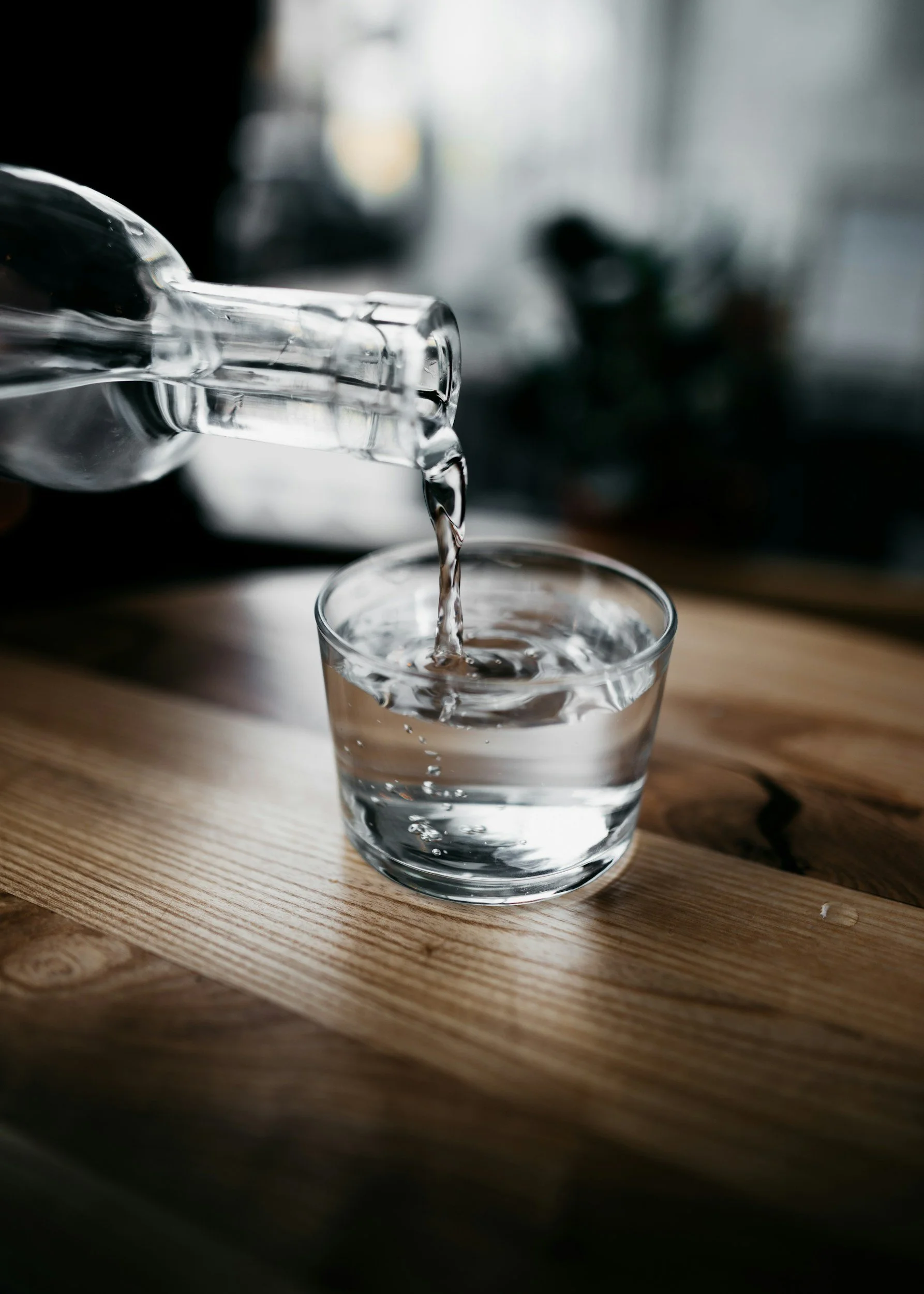
Hydration That Actually Works: How Much Water You Need in Summer and the Signs You're Not Getting Enough
The recommendation to drink eight glasses of water a day creates two opposite problems in practice: many people ignore it because eight glasses can feel like too much when they aren't thirsty, while others follow it mechanically without considering that hydration needs vary enormously depending on body weight, physical activity, environmental temperature, diet, and individual health.

Real Sun Protection: What the Bottle Doesn’t Tell You—and What You Actually Need to Know to Protect Yourself
Sunscreen is probably the health and personal-care product with the biggest gap between the protection it promises and the protection it actually provides in everyday use. Not because the product itself is ineffective, but because the way most people use it does not match the conditions under which it is tested and certified.

Your Body in Extreme Heat: Warning Signs You Should Never Ignore in Summer
Extreme heat has one particularly dangerous characteristic: its ability to gradually impair the body's capacity to recognize that something is wrong. The same physiological system that extreme heat overwhelms—the body's temperature-regulation system—is also responsible for allowing us to clearly perceive warning signs before the situation becomes an emergency.

Active Vacations: How to Use Summer to Move Your Body in Ways That Don't Feel Like Exercise
There is a way of moving that the fitness industry rarely counts in its metrics but that produces health benefits just as real as those of any structured routine. It is the movement that occurs naturally as a consequence of doing things that are genuinely enjoyed, without anyone having called it exercise. People who find forms of movement they genuinely enjoy tend to maintain higher levels of physical activity over years than those who exercise exclusively out of discipline. Summer, with its opportunities for pleasurable movement that the rest of the year doesn't offer in the same way, can be the laboratory where those forms are discovered — forms that can be sustained well beyond the season.
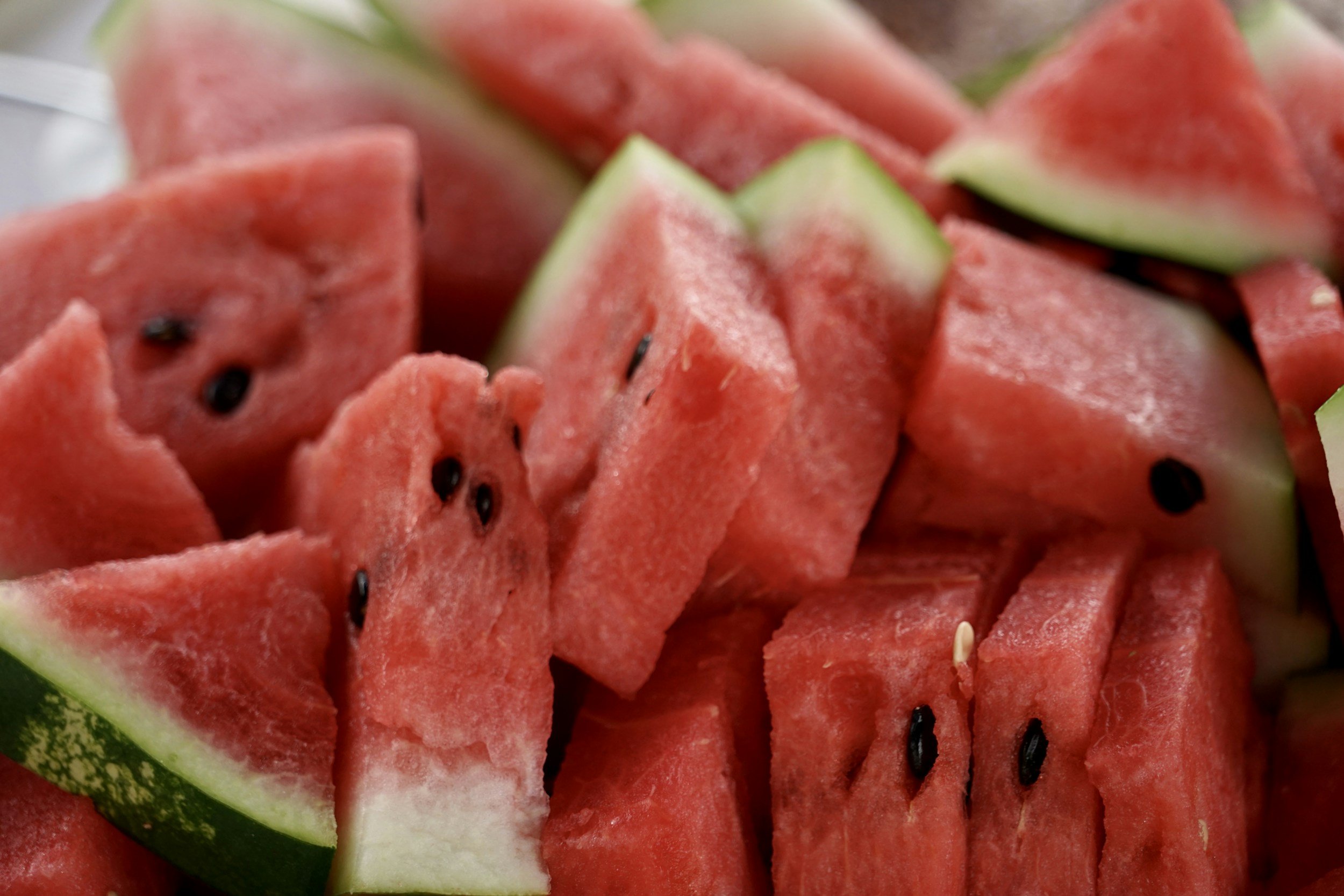
Eating Well in Summer Without Cooking: How to Nourish Yourself When the Heat Makes the Kitchen the Last Thing You Want to Turn On
The most natural and intuitive summer nutrition is not a reduced version of winter eating with less cooking. It is a completely different way of eating that cultures living in hot climates developed over centuries, precisely because they understood that heat changes what the body needs and what makes the most sense to prepare. Spanish gazpacho. Peruvian ceviche. Mexican nopalitos salad. Mango and cucumber salad with chile and lime. All of those preparations are culturally familiar to many Musa readers, and they are also nutritionally extraordinary for summer because they provide hydration, vitamins, minerals, and antioxidants in exactly the forms the body needs most in the heat.
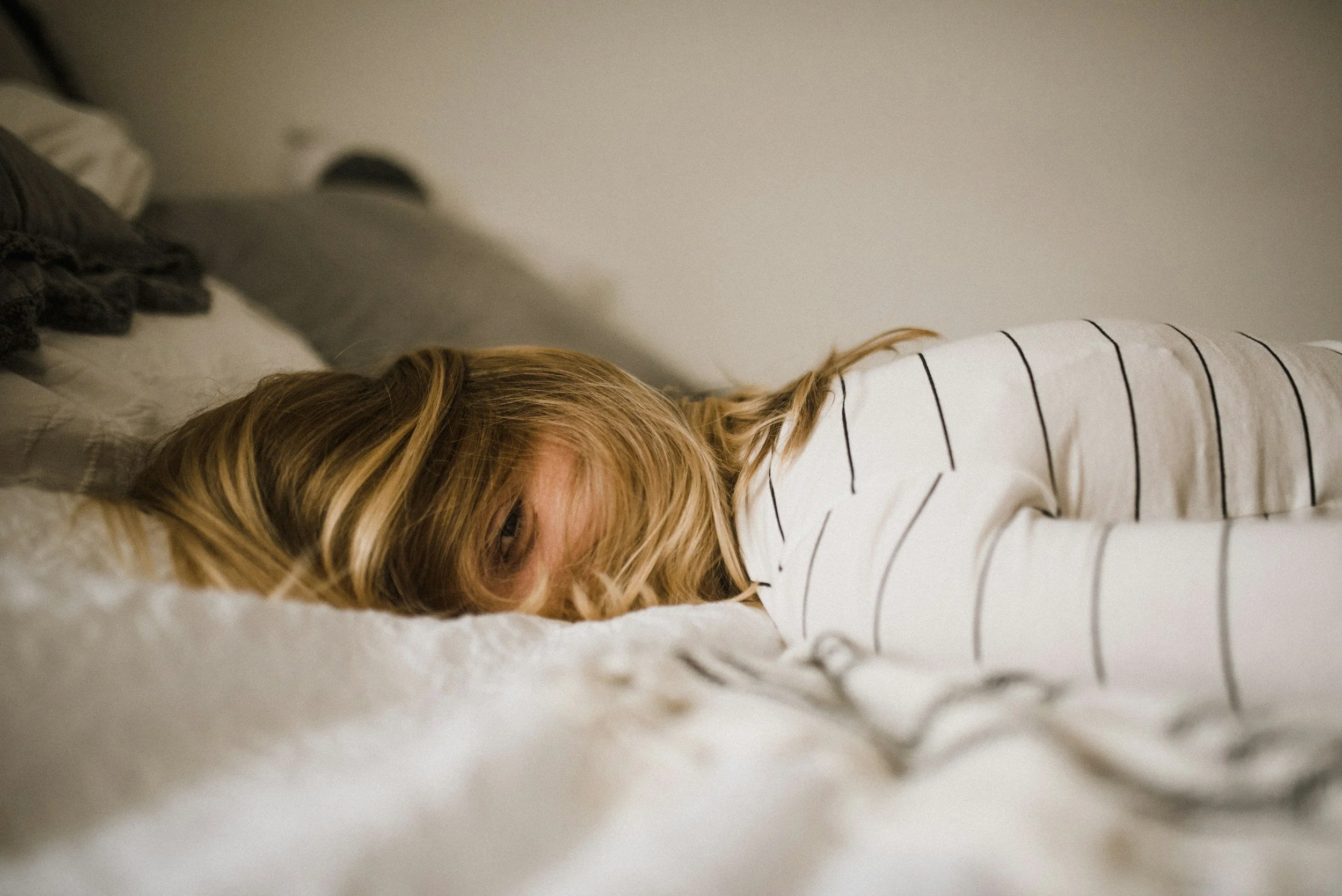
Summer Sleep: Why You Sleep Worse When It's Hot and What to Do About It
The onset of sleep is directly tied to a drop in core body temperature of between 1 and 2 degrees F. In hot environments, that process of central temperature decline meets resistance because when the bedroom temperature is high, the body has difficulty dissipating heat into an external environment that is already warm. That explains why people in hot climates without temperature control take longer to fall asleep, experience greater sleep fragmentation, and spend less time in the deep sleep and REM sleep phases — the most restorative of all.
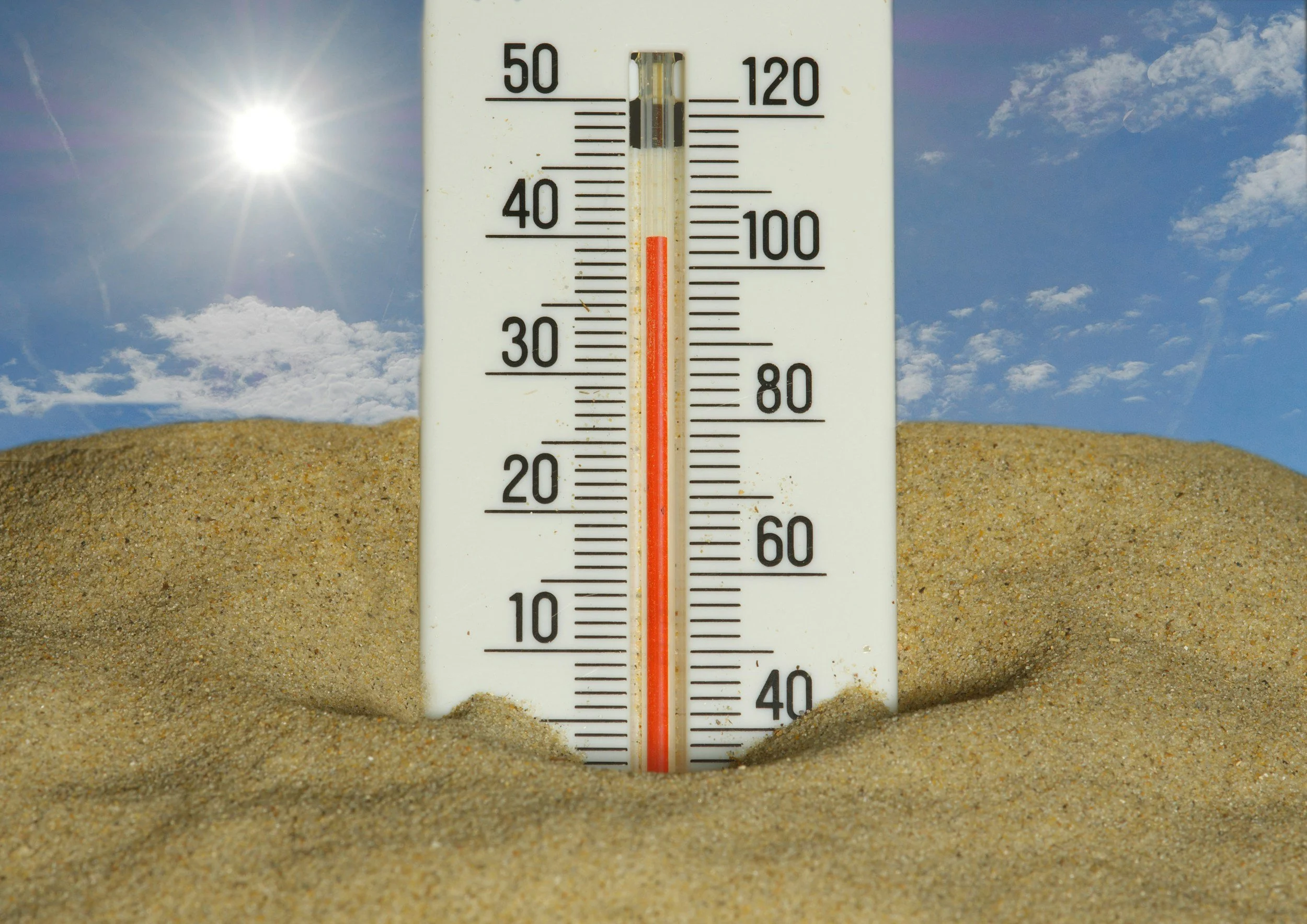
The Body in Extreme Heat: Warning Signs You Should Never Ignore in Summer
Extreme heat is the deadliest climate-related cause of death in the United States, surpassing hurricanes, tornadoes, and floods combined in typical years. For Latino communities, the risk is especially high: greater prevalence of outdoor jobs or workplaces without adequate air conditioning, limited access to air-conditioned spaces, a cultural tendency to minimize physical symptoms, and a language barrier that can make it harder to seek help when symptoms appear.

The Body on the Longest Day: How the Summer Solstice Affects Your Energy, Your Sleep, and Your Mood — and How to Make the Most of It
The summer solstice is not simply the day when the sun rises earliest and sets latest. It is the point of greatest light exposure of the year in the northern hemisphere, and that peak exposure produces in the human body a series of specific physiological responses that explain why many people feel different at this time of year without quite knowing why. Serotonin reaches its annual high around the summer solstice in response to increased sun exposure. It is no coincidence that cultures around the world developed ways to celebrate this moment: the human body literally feels better at this point in the year, and that improvement has a real biochemical basis.
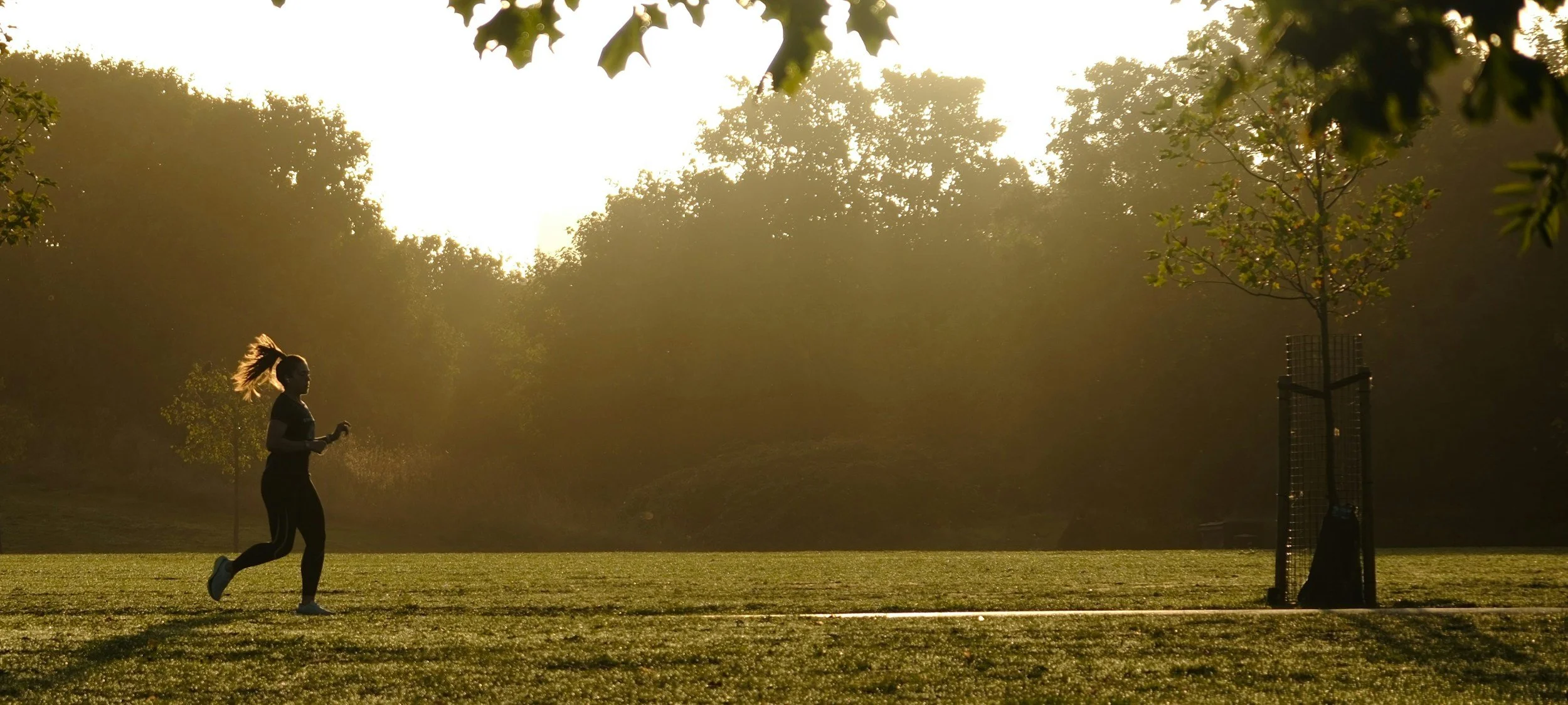
Moving Without Going to the Gym: The Outdoor Exercise Guide for May That Requires No Membership and No Equipment
May in most U.S. cities offers something no gym can replicate: perfect weather, abundant natural light, and public spaces designed for exactly what the body needs to do. Exposure to natural light during exercise synchronizes the circadian rhythm. The variability of natural terrain activates muscle groups that the flat surfaces of gyms never reach. Studies in environmental psychology show that outdoor exercise produces greater reductions in cortisol and greater elevation of mood than equivalent exercise indoors.
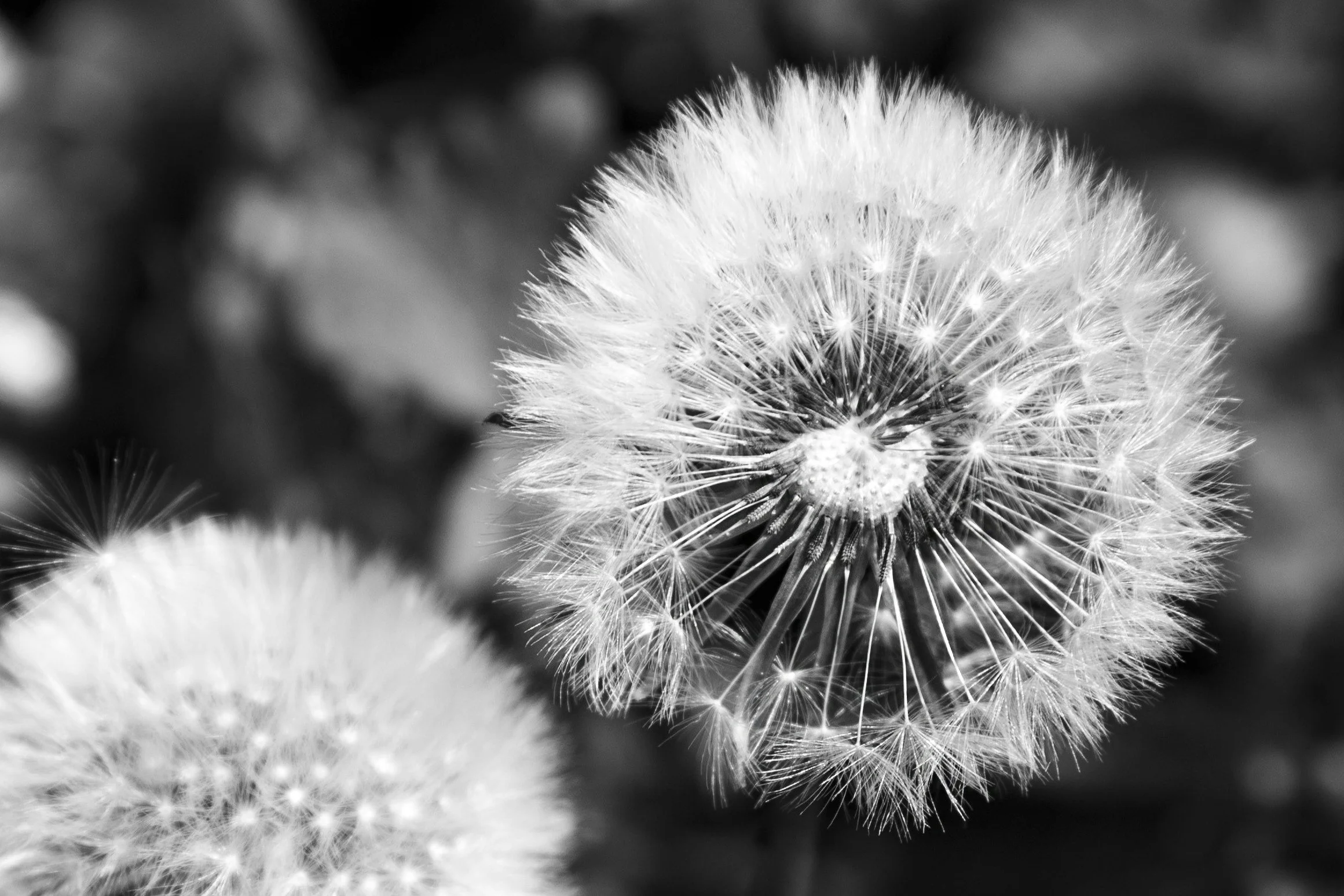
Allergies or Anxiety? How to Distinguish Between Overlapping Spring Symptoms and Why It Matters
There is a conversation happening in doctor’s offices across the U.S. with increasing frequency every spring. A patient describes shortness of breath, chest tightness, fatigue, and irritability. The doctor concludes it’s seasonal allergies, and the patient leaves with an antihistamine prescription. While physical symptoms improve slightly, the chest tightness returns—even when pollen counts are low. What went unsaid is that those sensations might not be allergies at all, or perhaps, they are a mix of both allergies and anxiety.
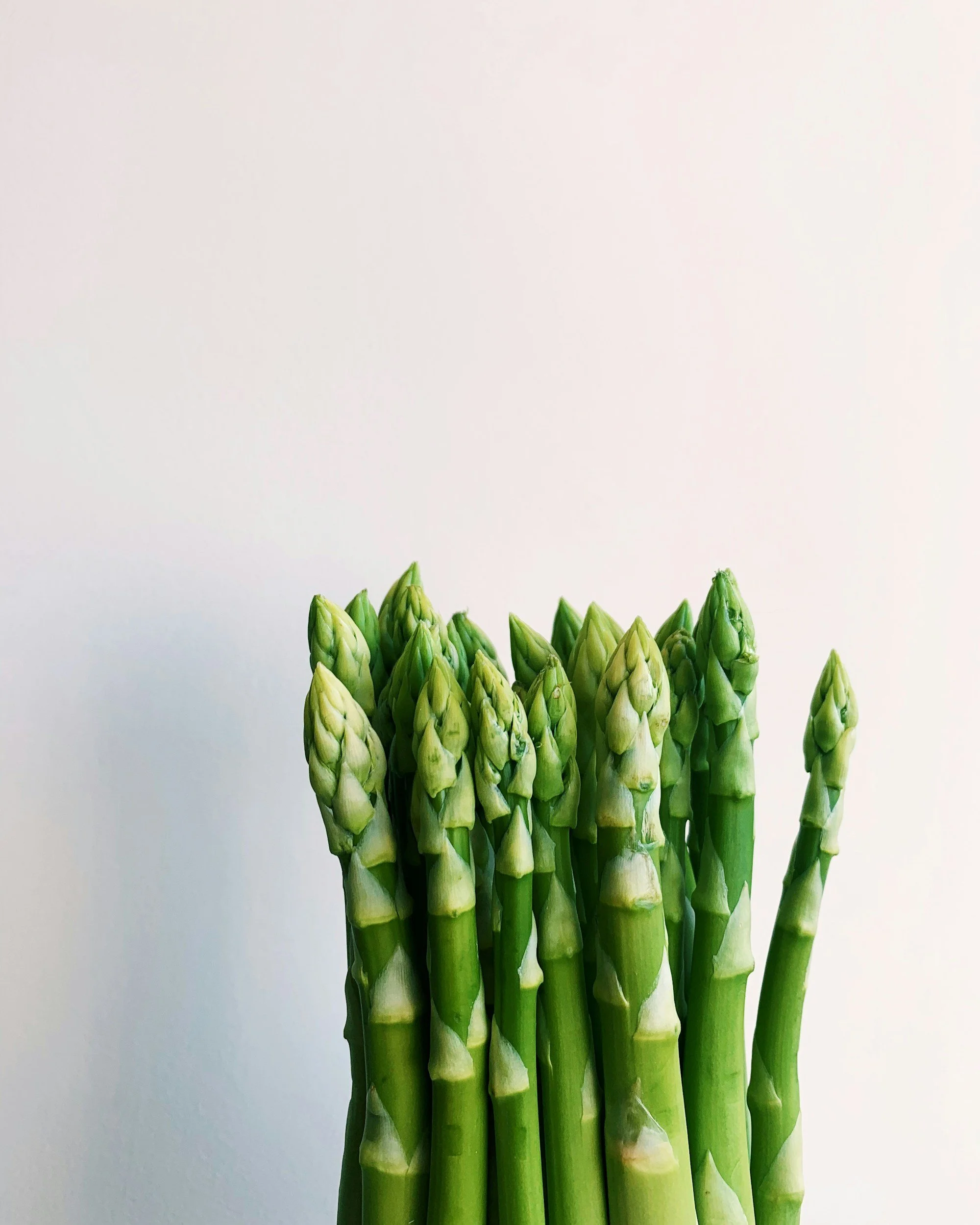
What Your Gut Is Trying to Tell You This Spring: How Seasonal Changes Affect Your Microbiome and What to Do About It
Many people experience a specific set of symptoms in the spring without ever connecting them to the season: digestion suddenly becomes irregular, the abdomen feels more bloated than usual despite no change in diet, and moods fluctuate with surprising speed. While many blame "seasonal stress," microbiome science offers another perspective: our gut has its own seasons. The transition from winter to spring is actually one of the most intense periods of reorganization for the microbial ecosystem living within us.

The perimenopausal body during summer: managing hot flashes, sleep, and energy when the heat arrives
There are two types of heat that many women between the ages of 40 and 55 face simultaneously when summer arrives. The first comes from the outside: the sun, the humidity, and the heavy air. The second comes from within: that sudden heat that rises from the chest to the face without warning. Summer hot flashes aren't simply "hotter" flashes; they are a qualitatively different experience because the body is already dealing with a higher-than-normal demand for thermal regulation, and compensatory mechanisms have less room to maneuver when the external temperature is already high.