

The Gut–Brain Connection: Fermented Foods That Boost Your Mood
By the Editorial Team at Musa Magazine
Have you ever felt “butterflies in your stomach” when you’re nervous, or a sharp punch to the gut when you’re angry? These aren’t just figures of speech. They’re physical proof that your digestive system and your brain are in constant conversation.
For years, medicine treated depression and anxiety as issues that lived only in the head. Today, science has confirmed something revolutionary: your gut is your “second brain.” And if improving your mental health is one of your goals for 2026, the answer might not be in your medicine cabinet—but in your refrigerator.
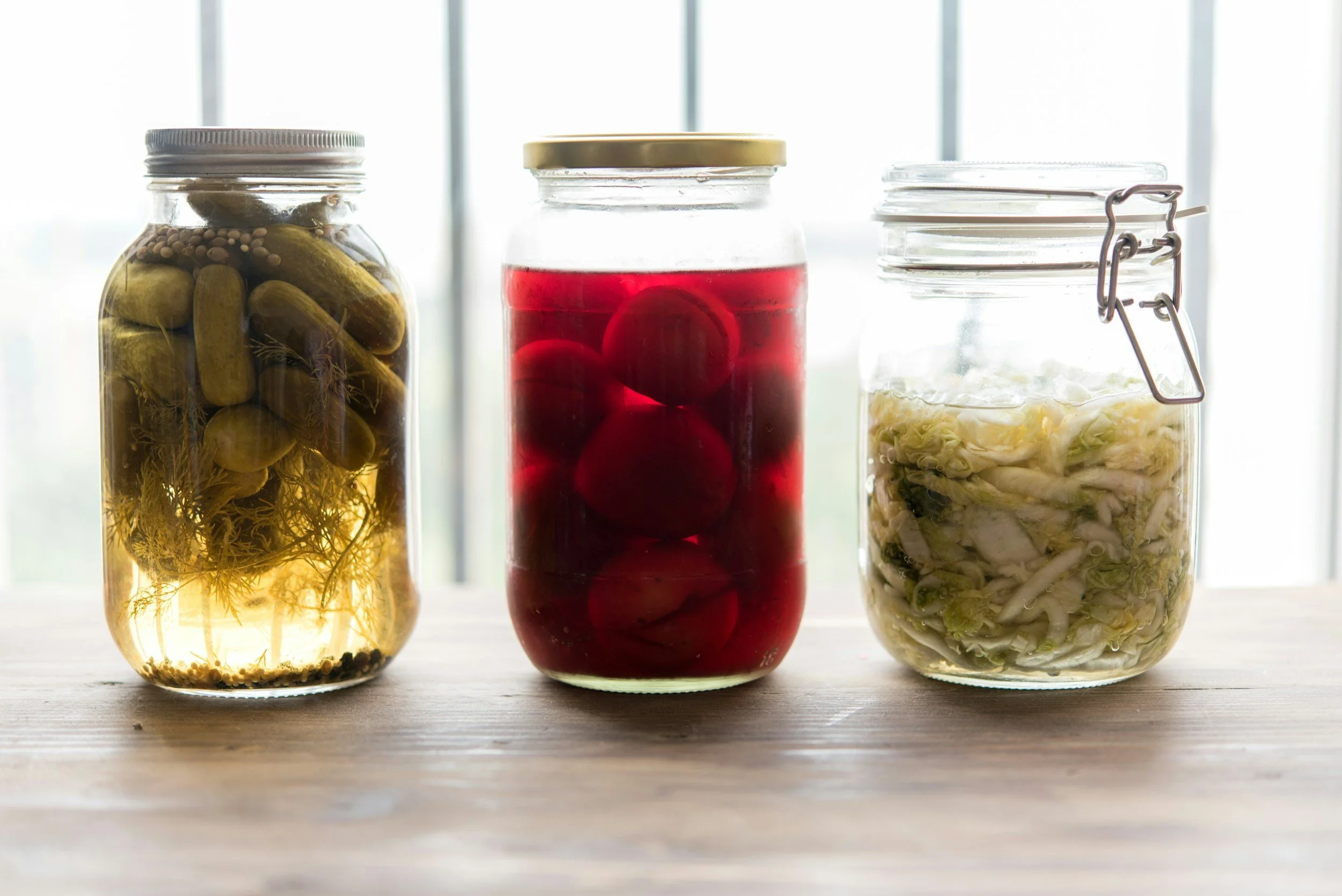
Here’s how this invisible connection works, and which foods can literally help feed your happiness.
The Serotonin Secret
You’ve probably heard of serotonin, the famous “feel-good hormone.” What very few people know is that about 90% of the serotonin in your body is produced in the gut, not the brain.
Your digestive system is home to trillions of bacteria—your microbiome. When these bacteria are healthy and balanced, they produce the chemicals that help you feel calm and content. When they’re thrown off by stress, sugar, or antibiotics, they send distress signals to the brain, which show up as anxiety, brain fog, and irritability.
The Superheroes: Fermented Foods
The fastest way to heal your microbiome is to introduce live, beneficial bacteria (probiotics). Fermented foods are nature’s medicine capsules.
Here are three of the most powerful—and easiest to find:
Kefir and Yogurt (with live cultures):
Kefir is like drinkable yogurt, but far more potent. It contains dozens of different bacterial strains.
How to use it: Have it at breakfast or use it as the base for smoothies. Always choose the plain, unsweetened version.Raw Sauerkraut:
We’re not talking about the cooked, canned cabbage you put on hot dogs. We mean raw, fermented cabbage, found in the refrigerated section.
The benefit: It’s rich in Lactobacillus, a type of bacteria shown to help reduce stress levels.
How to use it: Add a spoonful to salads or enjoy it as a side dish.Kombucha:
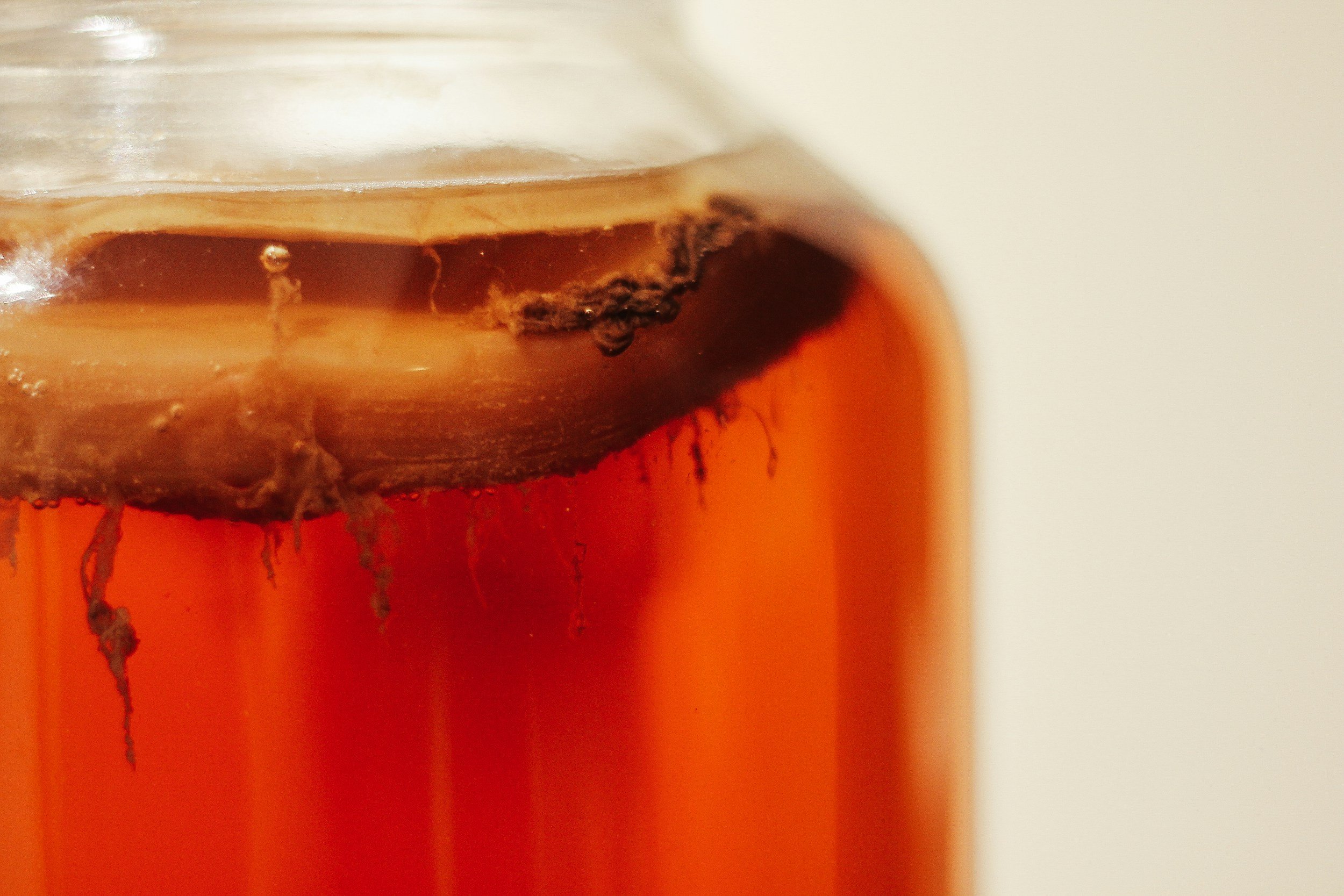
This fizzy, fermented tea is the perfect replacement for soda.
The benefit: It provides digestive enzymes, antioxidants, and probiotics.
A word of caution: Check the label—some commercial brands contain too much added sugar.
The Golden Rule: Start Slowly
If you’ve never eaten fermented foods and suddenly drink a liter of kombucha, your stomach will complain (hello, gas and bloating).
The strategy: Think of your new bacteria as tenants moving into a new neighborhood. Start with one tablespoon a day or half a glass. Consistency matters more than quantity.
Eating well isn’t just about looking good in the mirror—it’s about feeling good in your mind. By nourishing your gut with these living foods, you’re building the biological foundation of your mental well-being. Enjoy your food—and your better mood.