

Happy Microbiota: The Role of Your “Second Brain” in Physical and Emotional Well-Being
You may have never thought about it, but inside you lives an entire community that directly influences your mood, energy, and even how you perceive the world.
That community is called the gut microbiota — billions of living bacteria working day and night to keep your body in balance.
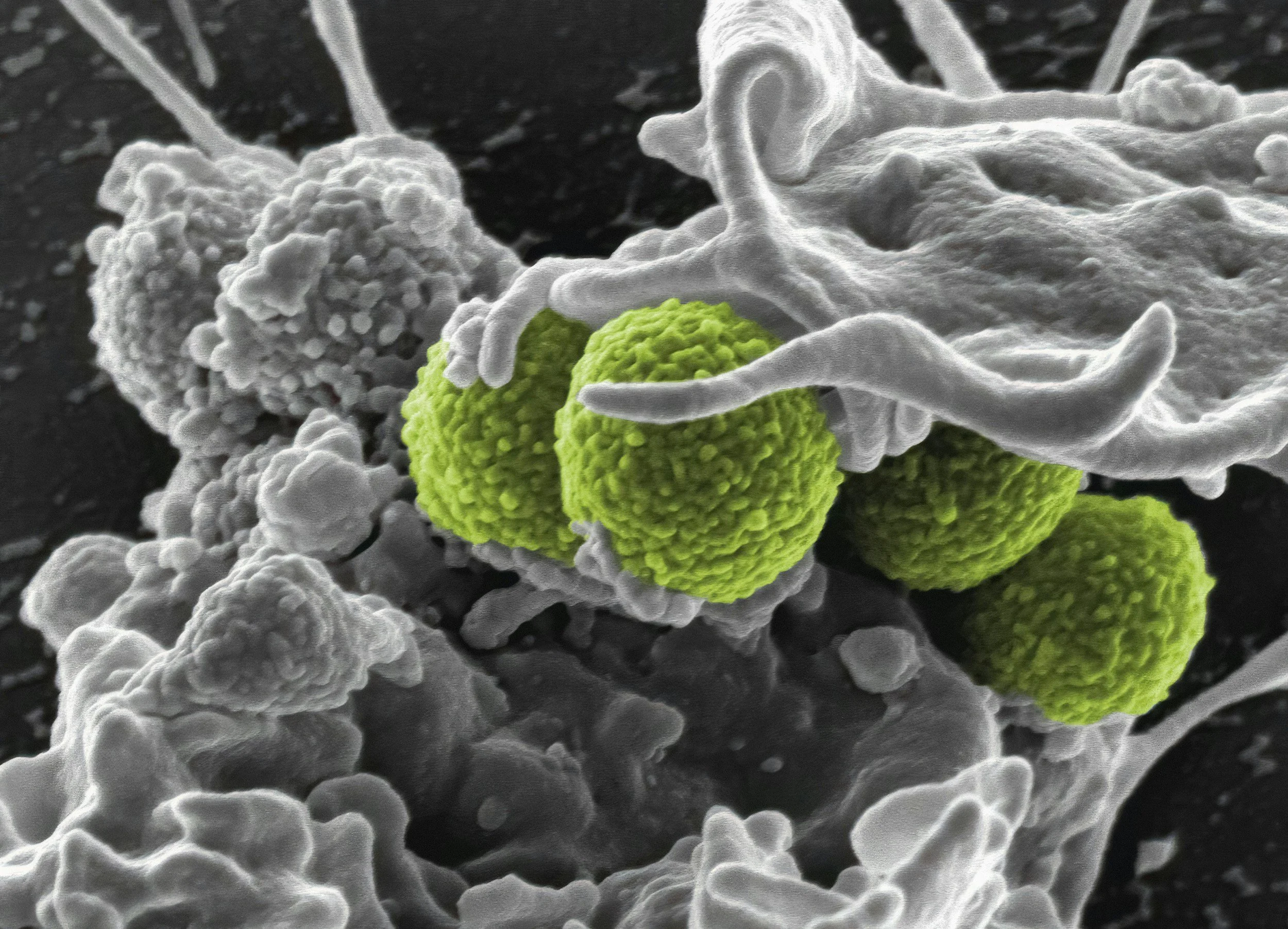
Far from being a biological detail, your microbiota is so powerful that scientists call it “your second brain.” Why? Because it constantly communicates with your nervous system and brain, sending signals that can either improve or disrupt your mood, immunity, and metabolism.
🌸 The Gut: A Hidden Emotional Center
Your gut doesn’t just digest food — it processes emotions too.
Every time you feel “butterflies in your stomach” or that tight knot of nerves, that’s the gut-brain connection in action.
In fact, over 90% of serotonin — the “feel-good” hormone — is produced in the gut.
When your microbiota is balanced, that production flows naturally, and you feel more energized, emotionally stable, and grounded.
But when it’s out of balance — due to stress, poor diet, or lack of rest — you may experience fatigue, anxiety, or unexplained mood dips.
💫 Everyday Factors That Disrupt Your Microbiota
You don’t have to be sick for your gut flora to lose balance.
Small, everyday habits can weaken it — like:
Chronic stress or anxiety.
Excess sugar or refined flour.
Frequent use of antibiotics or anti-inflammatories.
Irregular sleep or lack of rest.
Restrictive or highly processed diets.
When this happens, the “good” bacteria weaken, while the “bad” ones multiply — affecting digestion, immunity, and even mental clarity.
🥦 How to Nurture and Strengthen Your Microbiota Naturally
You don’t need expensive supplements or complex diets. What your gut loves most is consistency, variety, and mindful care.
1. Feed Your Good Bacteria
Eat fermented foods like yogurt, kefir, kombucha, or sauerkraut — all rich in probiotics that support gut balance.
Add prebiotic fiber too (the “food” for good bacteria): oats, bananas, asparagus, garlic, and onions are great sources.
2. Reduce Stress — Even a Little Helps
Stress disrupts gut flora faster than you think.
Practice mindful breathing, meditate, or simply take a walk without your phone.
Your microbiota needs calm moments too.
3. Prioritize Sleep
During deep sleep, your body repairs tissues and regulates hormones that also affect digestion.
Aim for 7–8 hours of sleep on a consistent schedule.
4. Move With Joy
Moderate physical activity supports digestion and microbial diversity.
You don’t need intense workouts — walk, stretch, or dance for pleasure.
5. Avoid Extremes
Eliminating entire food groups without guidance can harm your microbiota.
Balance is key — eat a varied, natural diet that nourishes both body and mind.
💖 Listen to Your “Second Brain”
Your body is always speaking — and your gut has its own language.
Bloating, gas, slow digestion, fatigue, or skin changes are all ways it tells you something needs care.
When you listen without judgment, you can make gentle, loving changes that restore harmony.
Gut health isn’t a one-week project — it’s a journey of reconnection, where each meal, each breath, and each hour of rest counts.
🌼 Harmony Starts Within
Caring for your microbiota means caring for your entire well-being.
When your gut is balanced, your mind becomes clearer, your emotions steadier, and your energy flows naturally.
There are no magic fixes — only conscious habits that, over time, transform your health from the inside out.
So next time you feel anxious or drained, look inward: somewhere in that microscopic universe within you, your body may already be whispering the answer you’ve been looking for.