

Winter Skin: Deep Hydration Routine to Prevent Dryness from Indoor Heating
By the Editorial Team at Musa Magazine
January in the north comes with a side effect few people talk about: the dreaded “crocodile skin.” You notice your legs itching when you take off your jeans, your hands feeling rough like sandpaper, and your face losing that natural summer glow.
The culprit isn’t just the icy wind outside, but the enemy inside your home: central heating. Artificial hot air acts like a giant sponge, absorbing all the moisture from the environment and, as a result, evaporating the water from your skin.
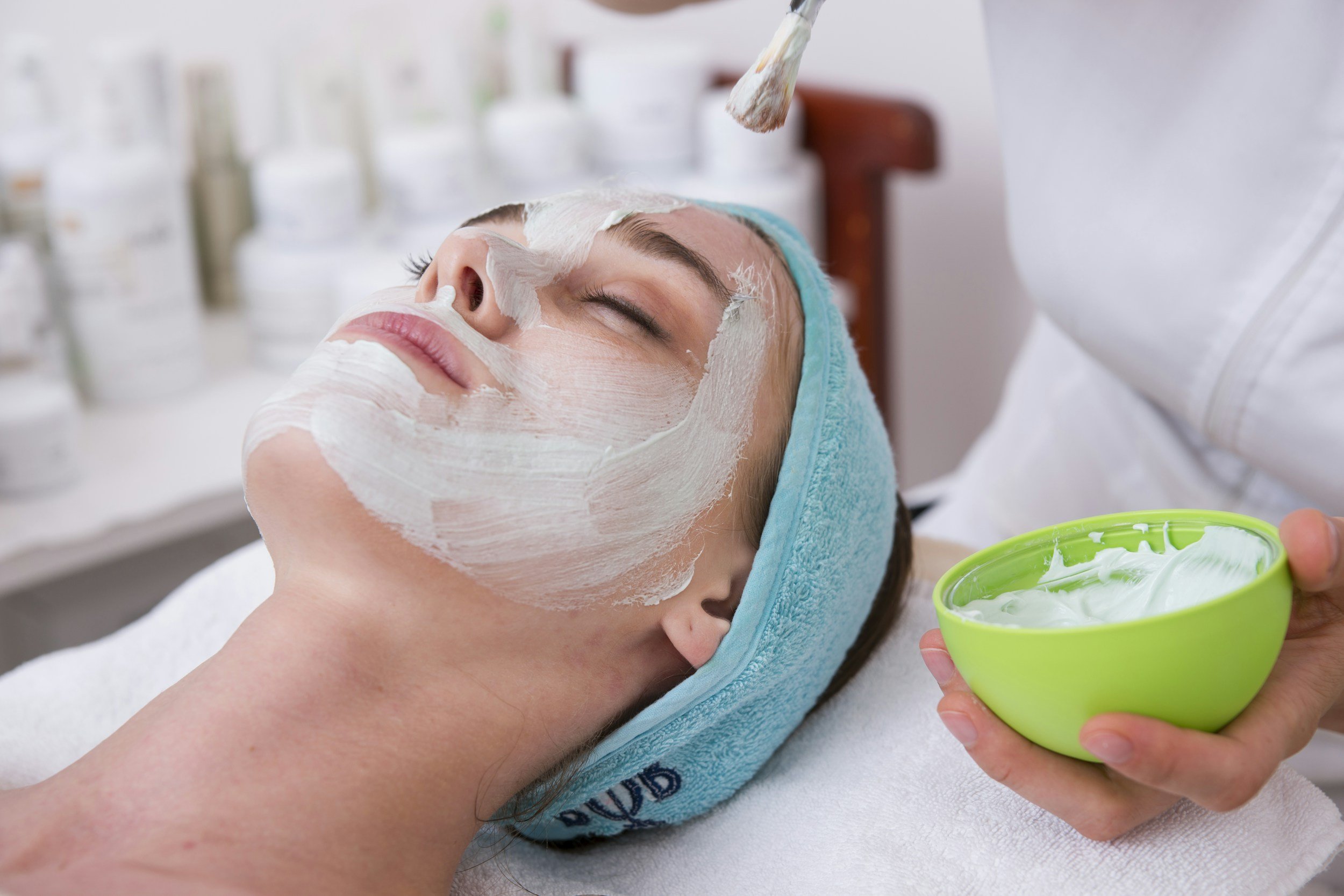
After 40, our skin produces fewer natural oils than it did at 20, so we need a stronger defense strategy. Here’s your deep hydration routine in 3 steps.
The mistake of boiling-hot showers
When you come in from the cold, nothing sounds better than a long, very hot shower. Unfortunately, this is the worst thing you can do for dry skin.
• The damage: Hot water dissolves the lipid barrier (your skin’s natural oils) that protects it, leaving it exposed and vulnerable.
• The solution: Choose lukewarm water and short showers (no more than 10 minutes). Swap your traditional bar soap (often very alkaline and drying) for a shower oil or a creamy, sulfate-free cleanser (soap-free).
The Golden 3-Minute Rule
This is dermatologists’ best-kept secret. Most women dry off completely and wait until getting dressed to apply lotion. Big mistake.

• The technique: You have a 3-minute window after stepping out of the shower, while your skin is still slightly damp.
• Why it works: Moisturizer doesn’t add water on its own; its job is to trap the water already in your skin. Applying cream to damp skin seals that hydration in. If you wait until you’re fully dry, you’re just greasing the surface.
Ingredients: Look for the word “Ceramides”
In summer, a light lotion works. In winter, you need heavy artillery. Your skin needs barrier repair.
• What to look for: Read the label. Choose creams (in jars, not pump bottles—they’re usually thicker) that contain Ceramides (the “cement” that holds your skin cells together) and Hyaluronic Acid (which attracts water).
• The nighttime trick: For extremely dry hands and feet, apply a thick layer of petroleum jelly or a rich cream before bed and put on cotton socks. You’ll wake up with baby-soft skin.
Fighting winter dryness isn’t vanity—it’s health. Cracked skin is an open door to infections and allergies. With these small adjustments, you can keep your skin soft and resilient, no matter how high the thermostat goes.