

Real Sun Protection: What the Bottle Doesn’t Tell You—and What You Actually Need to Know to Protect Yourself
Sunscreen is probably the health and personal-care product with the biggest gap between the protection it promises and the protection it actually provides in everyday use. Not because the product itself is ineffective, but because the way most people use it does not match the conditions under which it is tested and certified.
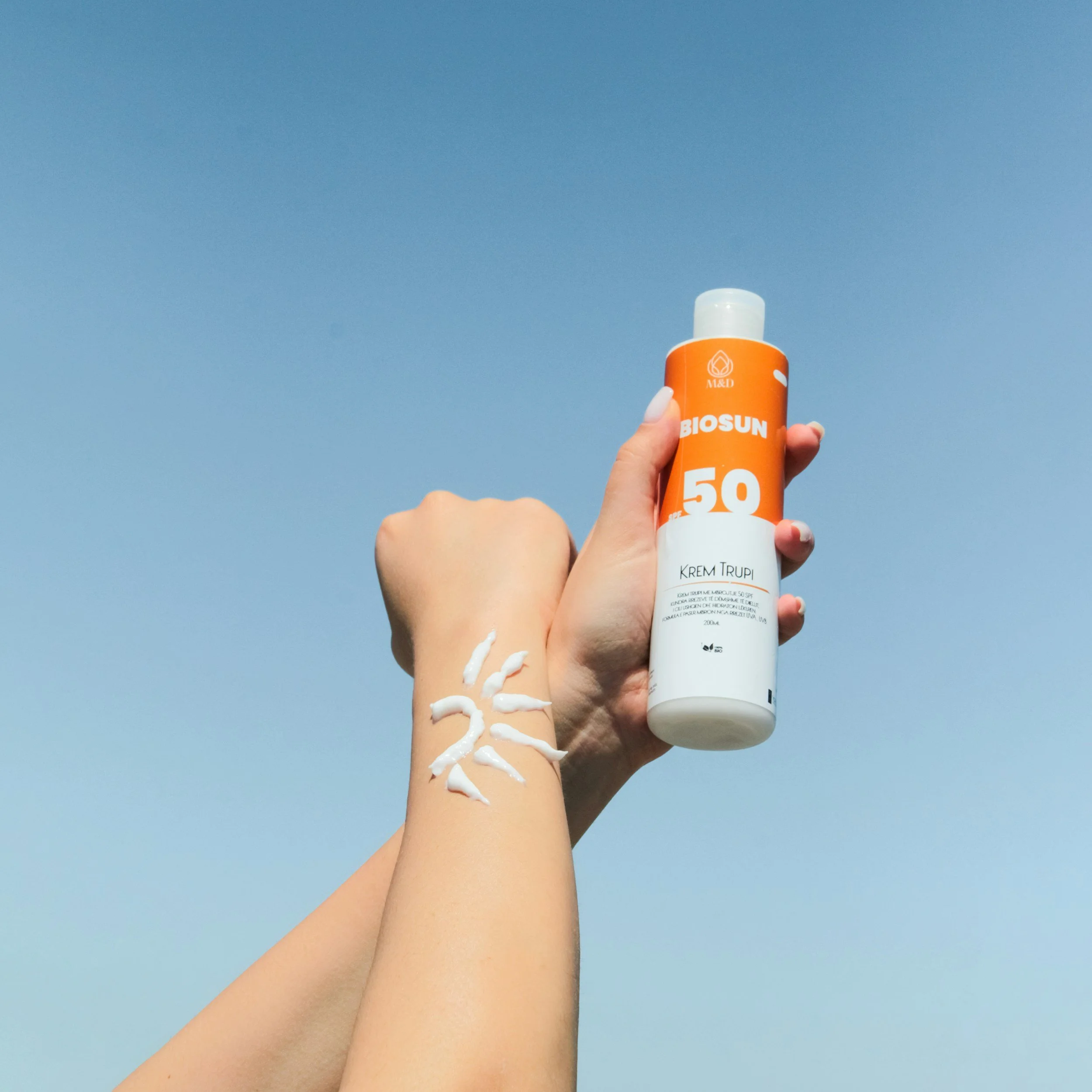
What the SPF Number Really Means—and Why It’s Not What Most People Think
SPF specifically measures protection against UVB rays, which are responsible for sunburn. SPF 30 blocks approximately 97% of UVB rays, while SPF 50 blocks approximately 98%. The difference between SPF 30 and SPF 100 in terms of actual UVB protection is only a few percentage points.
What the SPF number does not measure is protection against UVA rays, which contribute to premature skin aging and DNA damage that can lead to skin cancer over time.
To ensure UVA protection, sunscreen should be labeled broad spectrum. An SPF 30 broad-spectrum sunscreen can provide more meaningful overall protection than an SPF 100 product that does not offer broad-spectrum protection.
The Amount Almost No One Applies—but SPF Testing Assumes
Sunscreen testing is performed using 2 milligrams of sunscreen per square centimeter of skin. For the average adult face, that is approximately half a teaspoon. For the entire body, the amount needed to achieve the protection indicated by the SPF is roughly 1 to 2 ounces.
Most people apply only about one-quarter to one-half of those amounts.
A study published in the Journal of the American Academy of Dermatology found that applying half the recommended amount of an SPF 50 sunscreen can result in substantially lower real-world protection—illustrating why applying enough product matters just as much as choosing a high SPF.
The Most Dangerous Sunscreen Myths
“Darker skin doesn't need sunscreen” is one of the most dangerous myths.
Melanin does provide some natural protection, but it is nowhere near the level provided by SPF 30 sunscreen. Research also shows that while melanoma incidence is lower among Latino populations than among people with lighter skin, melanoma may be diagnosed at later stages and can have disproportionately worse outcomes.
“You don't need sunscreen on cloudy days” is also false. A significant portion of ultraviolet radiation still reaches the Earth's surface through clouds.
And sunscreen in makeup is not enough. The amount of foundation most people apply is far below the amount required to achieve the SPF level indicated on the product. Makeup with SPF can be an additional layer of protection, but it should not replace a dedicated broad-spectrum sunscreen.
The Dermatology Checkup Too Many People Skip
No sunscreen maintains its full effectiveness throughout the day without reapplication. The American Academy of Dermatology recommends reapplying sunscreen approximately every two hours during continuous sun exposure and immediately after swimming, heavy sweating, or towel drying.
Regular skin checks are also important. Adults should be familiar with their own skin and discuss an appropriate screening schedule with a healthcare professional, particularly if they have risk factors for skin cancer.
For people with darker skin tones, particular attention should be paid to areas where melanoma can sometimes be overlooked, including the palms of the hands, the soles of the feet, and underneath the nails.
Real sun protection isn't about buying the highest SPF on the shelf. It's about using enough of a broad-spectrum sunscreen, applying it correctly, reapplying it consistently, and paying attention to changes in your skin.