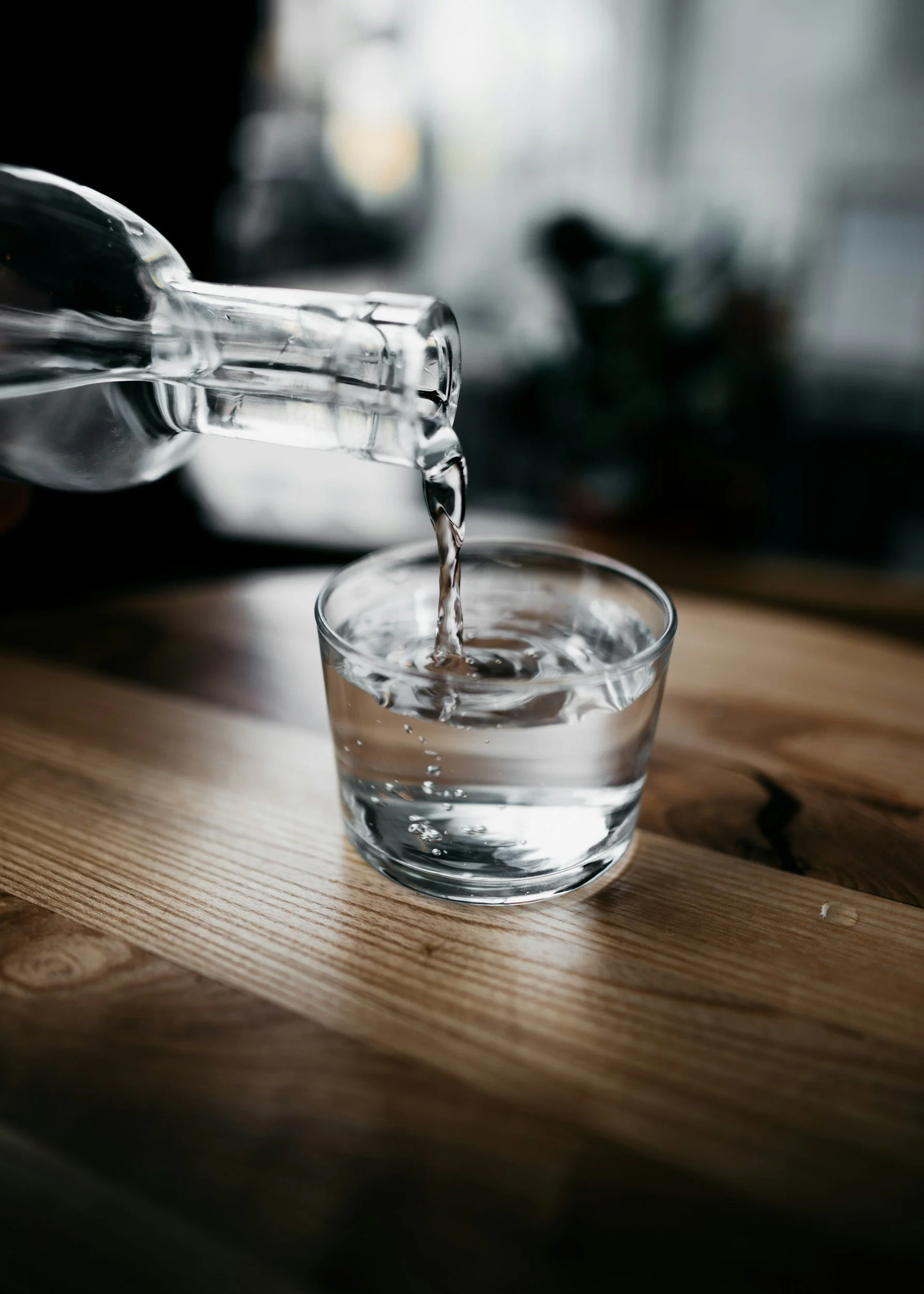

Hydration That Actually Works: How Much Water You Need in Summer and the Signs You're Not Getting Enough
The recommendation to drink eight glasses of water a day creates two opposite problems in practice: many people ignore it because eight glasses can feel like too much when they aren't thirsty, while others follow it mechanically without considering that hydration needs vary enormously depending on body weight, physical activity, environmental temperature, diet, and individual health.
Urine Color as a Hydration Guide: The Scale Everyone Should Know
Urine color can provide a useful indication of how concentrated it is. Very pale yellow, similar to diluted lemonade, generally suggests good hydration. Medium yellow may indicate adequate hydration, although there is room for more fluids. Dark yellow, similar to apple juice, can be a sign that you need to drink more.
Very dark or brown urine, however, should not automatically be attributed to dehydration—it can have other causes and may require medical evaluation, particularly if it persists or occurs with other symptoms.
Checking urine color throughout the day can provide a simple way to monitor hydration without constantly calculating ounces or counting glasses.
The Signs of Dehydration That Aren't Thirst
Thirst is not always an early warning sign of dehydration. By the time you feel significantly thirsty, your body may already be experiencing a meaningful fluid deficit.
Headaches are a common symptom associated with dehydration. Reduced fluid levels can affect blood volume and the tissues surrounding the brain, contributing to headache symptoms.
Fatigue and difficulty concentrating during summer afternoons, which many people attribute simply to the heat, can also be worsened by inadequate fluid intake.
Muscle cramps, particularly during prolonged activity in hot conditions, can occur alongside fluid and electrolyte losses caused by sweating.
What to Drink Besides Water—and What Can Work Against Hydration
For physical activity lasting more than an hour in hot conditions, beverages containing electrolytes, particularly sodium, can help replace some of the fluids and minerals lost through sweat.
Water-rich foods can also make a meaningful contribution to total fluid intake. Watermelon, cucumber, celery, and strawberries, for example, contain substantial amounts of water.
Coconut water also contains electrolytes and can contribute to hydration, although its nutritional profile and sodium content differ from those of many sports drinks.
Alcohol deserves particular attention in summer. Because alcohol can increase urine production and impair normal fluid regulation, drinking alcohol while exposed to heat can make maintaining adequate hydration more difficult.
A Summer Hydration Strategy You Don't Have to Think About Constantly
Optimal hydration doesn't require counting every ounce or setting alarms throughout the day.
Start the morning with water alongside or before breakfast, particularly if you wake up feeling thirsty. Keep a water bottle visible at your desk, in the kitchen, or wherever you spend most of your time. That simple visual reminder can encourage more frequent drinking without requiring conscious effort.
You can also connect hydration to routines you already have: drink water with meals, before leaving the house, after returning home, and before and after exercise.
The goal isn't to follow an arbitrary number of glasses perfectly. It's to create a consistent pattern of drinking throughout the day and to pay attention to your body's signals, especially during hot weather or increased physical activity.