

Before you go looking for what to buy, notice which pieces you choose again and again. Those everyday decisions can tell you more about your style than any list of trends.
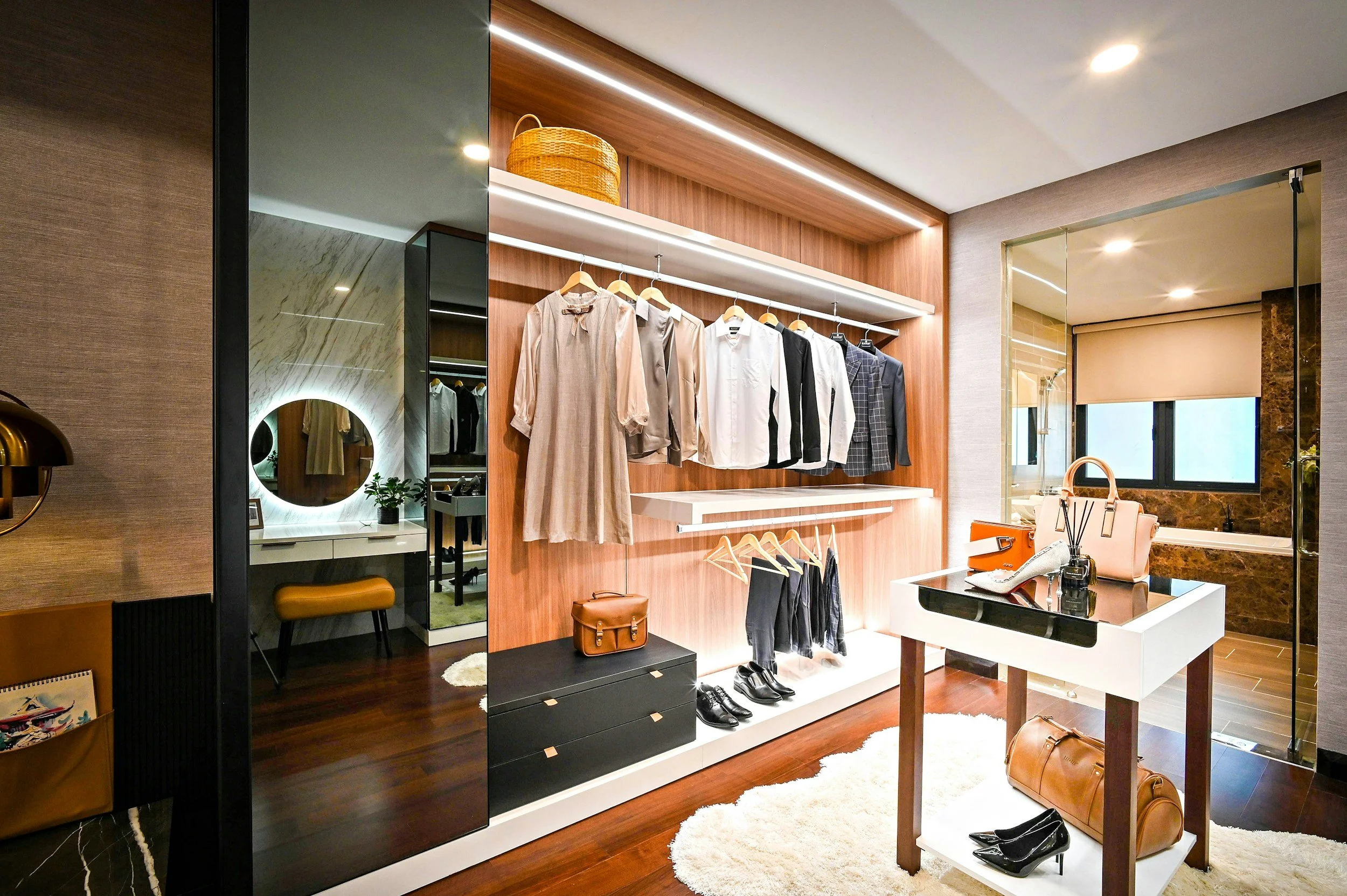
You open your closet, look at everything, and end up pulling out the same pair of pants as always.
You know them. You know which shoes they work with, how they feel after several hours, and what parts of your day they can handle without any fuss. While you get dressed, a thought comes up: maybe you should change things a little, try something different, update yourself.
But that piece you keep reaching for can also be a clue.
In November, between holiday outfit suggestions and sale announcements, it’s easy to feel like your wardrobe needs a complete overhaul. Before you start shopping, it’s worth looking at what already works. Your style is also built from the choices you make almost without thinking.
Looking at your favorites with different questions
Pick five pieces you wear a lot and put them together.
What do they have in common? Maybe they’re soft, have pockets, let you move easily, or are simple to mix and match. Maybe they share colors, a certain fit, or a detail you especially like.
Then think about when you wear them. A piece can be a favorite because it represents you, because it solves a specific need, or for both reasons.
This little exercise helps you shop with more precision. Instead of “I need new clothes,” you might discover that you need another shirt that doesn’t require ironing, a pair of pants you can walk comfortably in, or a warm layer that fits under your coat.
Recognizing the life you have now
A closet can hold versions of different stages of your life: clothes from an office you no longer go to, dresses from past celebrations, pieces you bought imagining a routine that never came.
Ask yourself what your weeks look like right now.
Do you work sitting down? Do you walk a lot? Do you move in and out of places with different temperatures? Do you need to change quickly between activities?
Getting dressed gets easier when a good part of what you own responds to those situations. You can keep special pieces and, at the same time, make more room for the ones that go along with your everyday life.
Trying a new combination before buying another piece
Sometimes what’s missing is just a test run.
Choose a piece you like but rarely wear, and put together two or three outfits with it. Try it with different shoes, change the top layer, or add an accessory you already have.
Do it when you’re not in a rush. In front of the mirror, notice whether you like it; then walk around, sit down, and move. A combination can look great and turn out to be uncomfortable the moment your day begins.
If you find something that works, take a photo for yourself. Having a few saved options can help on those mornings when you don’t want to make too many decisions.
Bringing in something new with intention
If a new trend excites you, figure out which part of it appeals to you.
The color? The texture? The way the pieces are put together? Maybe you can explore that detail without buying the entire outfit you saw in a picture.
You can also try it first with something borrowed or a piece you already own. The idea is to find out whether you enjoy wearing it, not just looking at it.
A purchase can make sense when you find a clear use for it and you’re genuinely interested. It doesn’t have to solve your whole identity.
Letting your style change
Maybe this year you want more color. Or fewer accessories. Or clothes that let you get ready in just a few minutes.
You can change your preferences without turning what came before into a mistake. Style goes along with personal shifts, jobs, climates, and stages of life.
Before adding something to your closet, ask yourself what you’d like to feel when you wear it: comfort, presence, fun, ease. That answer can guide you better than any supposed universal rule.
If your clothes had to support one part of your life better, which would it be?