

Between perfect routines, health apps, and advice that seems to multiply every day, taking care of ourselves can become exhausting. How can we build a kinder relationship with our well-being?
It's seven in the morning, and your smartwatch already has something to tell you: you didn't get enough sleep.
Before breakfast, one app reminds you to drink water. Another tells you how many steps you still need to take. On social media, someone insists that you should meditate, exercise, take certain supplements, and begin your day with a flawless routine.
You haven't even left the house, and somehow it already feels like you're doing something wrong.
We live in a time when we've never had so much information about how to take care of ourselves. Yet this abundance of advice can create a paradox: turning wellness into a new source of stress.
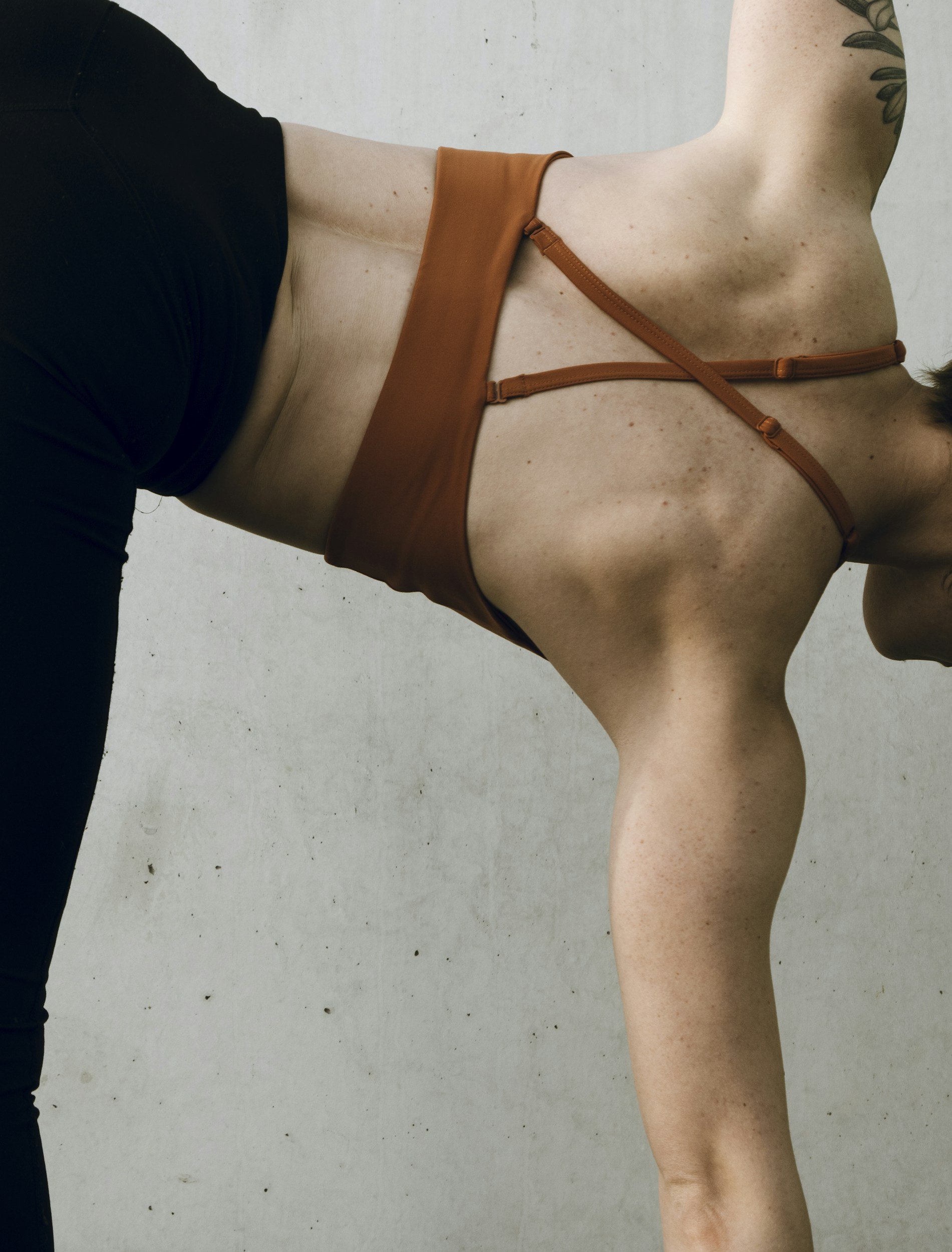
When Self-Care Starts to Feel Like Work
For years, many women learned to put other people's needs ahead of their own.
That's why the growing interest in self-care represents a positive shift.
The problem begins when taking care of ourselves turns into an endless checklist of things we're expected to accomplish.
Sleep eight hours, walk ten thousand steps, prepare healthy meals, work out, meditate, journal, and maintain a positive attitude.
Each habit may offer benefits, but trying to adopt all of them at once can feel overwhelming.
And when we can't keep up, guilt sets in.
Suddenly, the very things that were supposed to help us feel better become yet another source of pressure.
The Trap of Perfect Routines
Social media is filled with carefully curated mornings.
Colorful breakfasts, spotless homes, sunrise yoga sessions, and people who seem to have unlimited time.
But what we're seeing is only a small, selected portion of their lives.
Behind those images, we don't always see family responsibilities, financial worries, exhaustion, or long workdays.
Comparing our reality to an idealized routine can leave us feeling inadequate.
Wellness, however, doesn't have a single definition.
A mother who works all day may need different strategies than a retired woman or someone who lives alone.
Healthy habits also need to be realistic within the circumstances of our lives.
Do We Really Need to Track Everything?
Smartwatches and health apps can help us understand certain habits.
Tracking physical activity, monitoring sleep schedules, or receiving reminders can be useful.
But not everyone benefits from constantly monitoring their health metrics.
Sometimes, a low sleep score can create anxiety even when we wake up feeling rested.
Likewise, falling short of a daily step goal doesn't mean we've failed.
These tools provide estimates and data that need to be interpreted in context.
If the numbers begin to make us anxious, perhaps it's time to use them less and return to a simpler question: How do I actually feel?
Taking Care of Ourselves Also Means Enjoying Life
Sometimes we forget that wellness isn't built solely through carefully planned habits.
It can also be found in a pleasant conversation, a shared meal, an afternoon spent reading, or a walk without a particular goal.
Pleasure, rest, and meaningful relationships are all part of a healthy life.
We don't need to turn every activity into an opportunity to improve our performance.
We can dance because we enjoy it, not just to burn calories.
We can go for a walk to appreciate the scenery without worrying about tracking the distance.
And we can rest without feeling that we need to make up for it afterward.
Small Habits We Can Actually Maintain
Instead of transforming our lives overnight, it may be more helpful to identify what we need right now.
Perhaps we're not getting enough sleep. Maybe we're spending too many hours sitting down, or we need to reconnect with others.
Choosing one small, realistic change is often more sustainable than trying to accomplish ten goals at once.
We might start by walking a few extra minutes, preparing a simple dinner, or setting a time to disconnect from work.
It's also worth reviewing our habits from time to time.
What worked five years ago may no longer meet our current needs.
Flexibility isn't a lack of commitment. It's part of having a healthy relationship with ourselves.
Health Isn't Solely an Individual Responsibility
There's another important aspect to consider: not everyone has the same opportunities to take care of themselves.
Available time, income, access to healthcare, and caregiving responsibilities all influence our choices.
That's why we shouldn't interpret every difficulty as a lack of willpower.
Taking care of our health also means asking for support, sharing responsibilities, and recognizing the conditions we need to live better.
Personal discipline can't solve everything.
A Healthy Life Also Needs Room for Living
Perhaps the real challenge is to stop chasing a perfect version of ourselves.
We can eat well without obsessively monitoring every meal. Stay active without always meeting a goal. Rest without guilt.
Taking care of ourselves doesn't mean doing everything right every single day.
It means developing a relationship with our bodies and minds based on awareness, respect, and flexibility.
Because wellness shouldn't become another obligation that pulls us away from life. It should help us enjoy life more.