

A cold morning, office heating, and an evening outing can each call for something different. Putting together layers that work together starts with thinking about those changes.
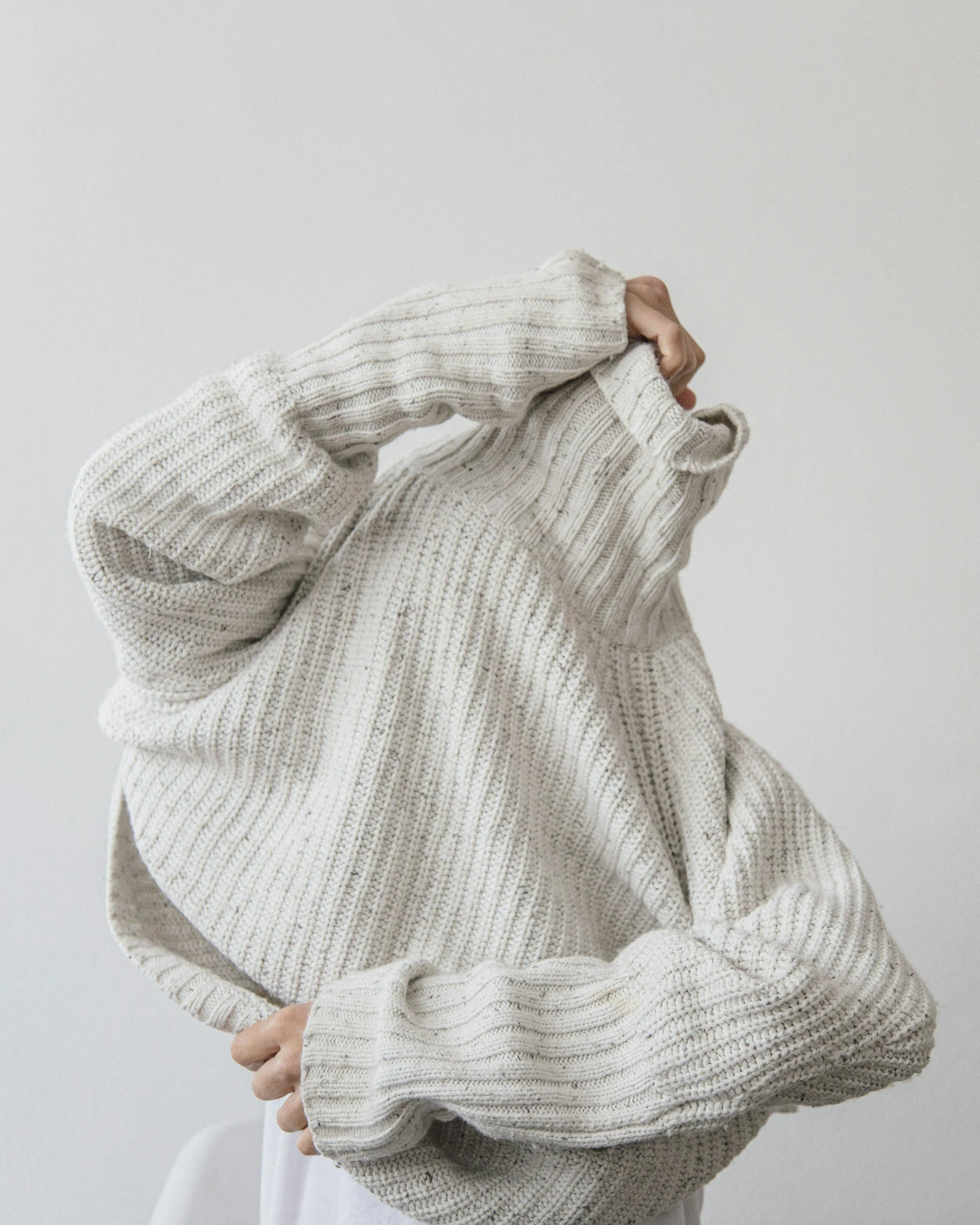
You head out early in the cold and you’re grateful for your coat. An hour later, inside a heated building, you have no idea where to put it. Underneath, you’re wearing a sweater that’s too warm and a piece you hadn’t planned on wearing on its own.
The problem showed up when the temperature changed.
Layering can help you get through those shifts, but it takes more than just adding clothes. Your pieces need to let you take off, add, and still feel comfortable in each version of the outfit.
Start with what goes underneath
The first layer deserves attention because it may end up being the one you wear for much of the day.
Choose a piece that feels good against your skin and that you can wear on its own if the place is warm. Check the neckline, the sheerness, and how the sleeves move.
If you know you’ll be walking a lot or spending time outdoors, keep that activity in mind when choosing the fabric. The right clothes will depend on the weather and on what you’ll be doing; a morning of short commutes doesn’t call for the same thing as a day outside.
How the surfaces combine matters, too. Some pieces snag on each other or bunch up when worn together. Try the full outfit before you head out.
Give the middle layer a job
A shirt, a cardigan, or a sweater can add warmth and change the look of the outfit.
Think about what you need: something easy to open, a piece you can stash in your bag, or a layer that also works as the star of the outfit indoors.
Thickness affects how everything feels under your coat. If the sleeves feel tight or your shoulders don’t move comfortably, it may be worth swapping one of the pieces.
There’s no required number of layers. The combination has to work for you and for the day you have ahead.
Try on the coat with real clothes
A coat can look great over a T-shirt and feel uncomfortable on top of the sweater you usually wear.
When you try it on, wear a combination similar to the one you plan to use. Zip it up, cross your arms, raise your hands, and sit down.
Also notice the collar when you add a scarf, and how much room is left in the sleeves. If you have to readjust everything each time you move, that information matters as much as the picture in the mirror.
Play with what shows
Layers let you reveal small glimpses of color and texture.
You can leave a shirt collar visible, a sleeve edge, or a longer piece peeking out from under another. If you prefer a simple look, choosing nearby tones can help you match without thinking too much.
If you like contrast, try just one difference at first: a light shirt under a dark knit, for example. Then decide whether you want to add more.
You don’t need to build a supposedly perfect proportion. Check whether you like the outfit from different angles and whether it feels like you.
Think about where the pieces you take off will go
A useful layer also has a solution for when it’s no longer needed.
Can you fold it without it taking up your whole bag? Is there somewhere to leave your coat? Does your scarf catch on your earrings? These are small details that can make your day more practical.
For a day with several temperature changes, prepare two complete versions: how you leave the house and how you’ll end up indoors. Both should feel comfortable.

If tomorrow you had to go in and out of three different places, could your clothes keep up without you spending the day adjusting them?