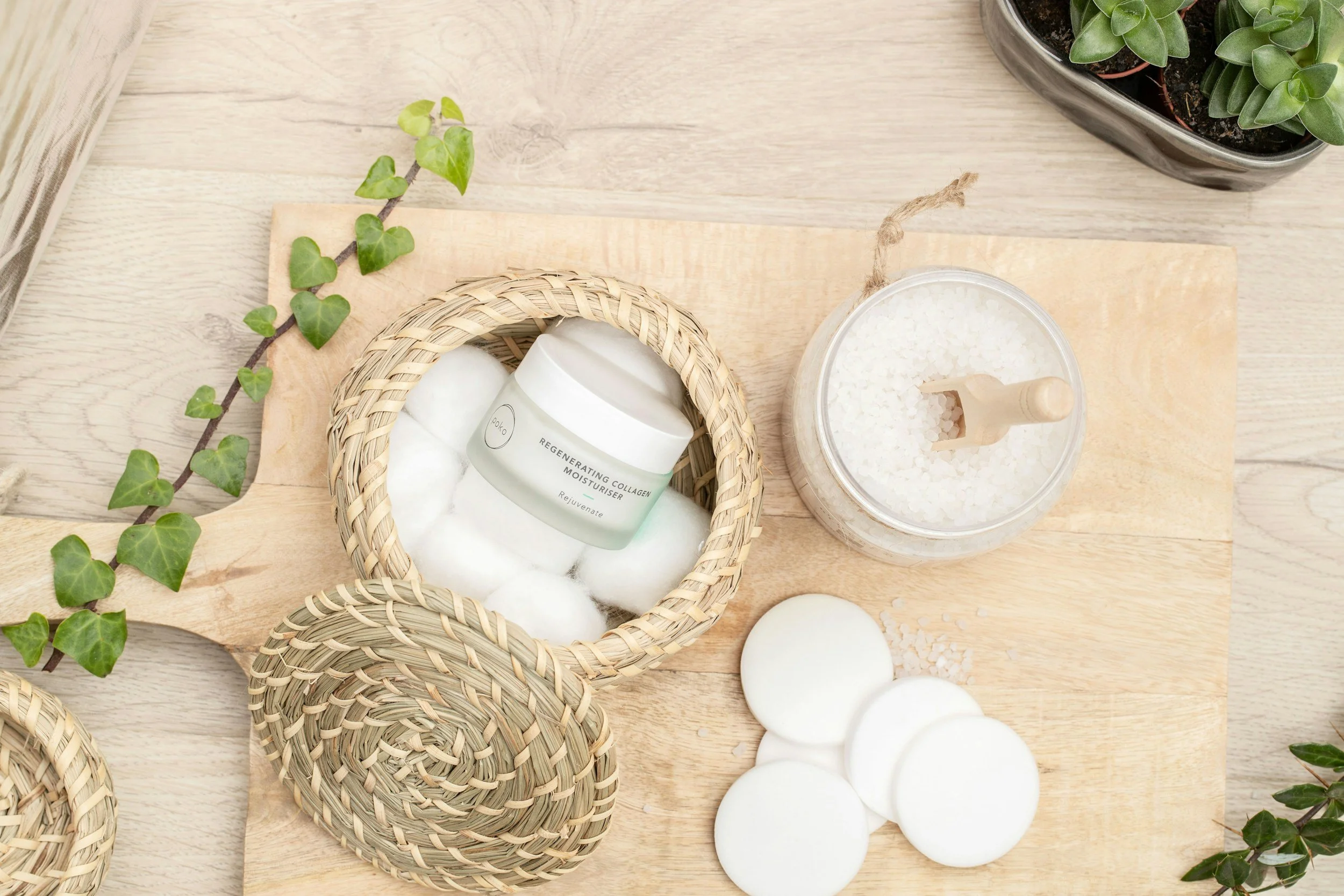

Minimalist Vacation Skincare: The Three-Step Routine That Protects Your Skin When You Don't Have Time or Space for Anything Else
The performance curve of a skincare routine isn't linear. The first product—cleanser—often provides disproportionately large benefits because without clean skin, subsequent products can't work as effectively. The second—sunscreen in the morning or a targeted recovery product at night—provides the next major benefit. The third—moisturizer—completes the basic care cycle.
A three-step vacation routine isn't an inferior version of your usual routine. It's a version adapted to the specific conditions of being on vacation.
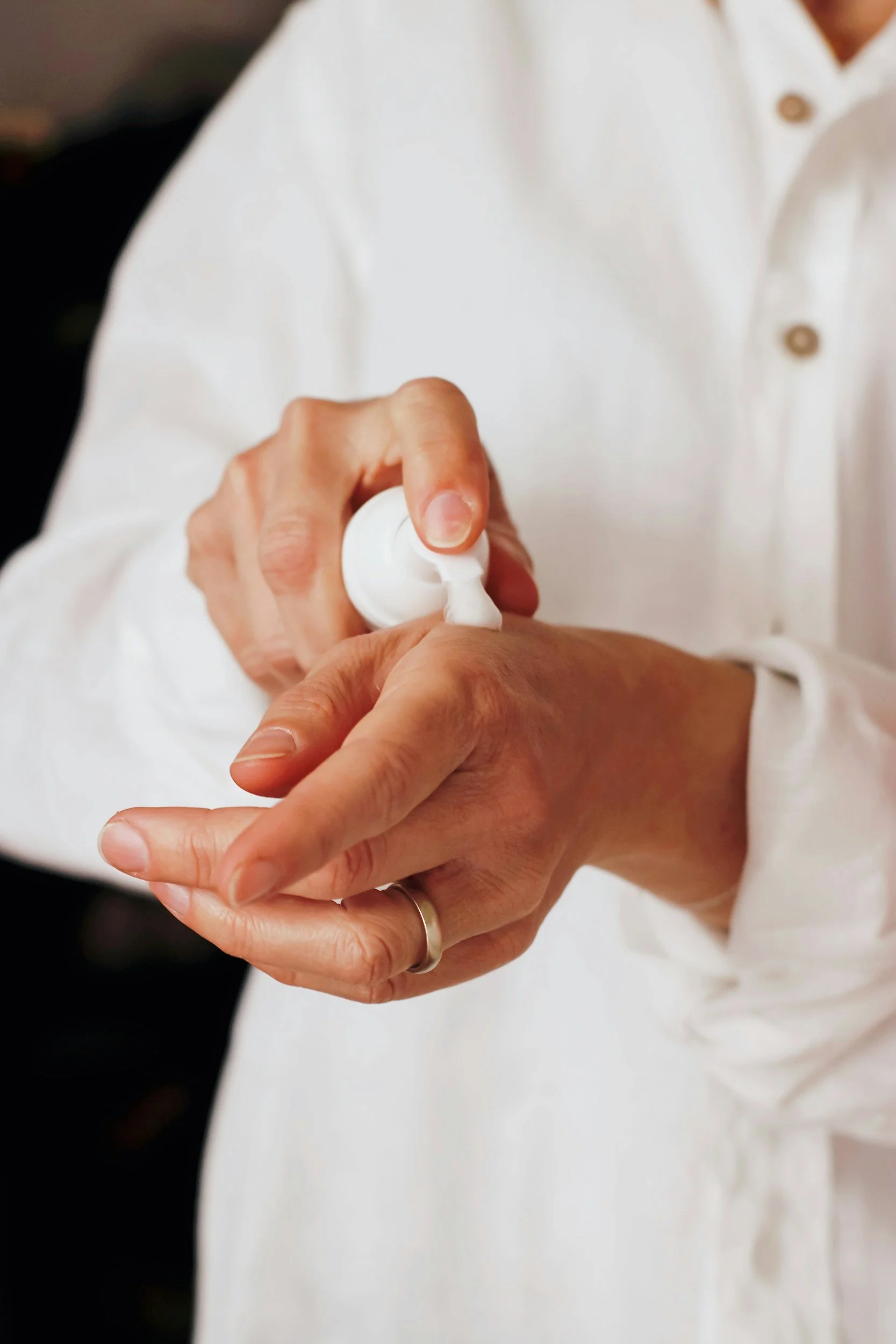
Step One: The Cleanse You Should Never Skip
Cleansing at night can be especially important during summer because more substances accumulate on your skin throughout the day: water-resistant sunscreen that may not be completely removed with a conventional cleanser, salt from the ocean or chlorine from the pool, and sweat that mixes with sunscreen and environmental pollutants.
For people who wear water-resistant sunscreen or makeup, double cleansing can be useful. Start with a cleansing oil or balm on dry skin to help dissolve sunscreen and makeup, then follow with your regular water-based cleanser.
The goal isn't to scrub your skin aggressively. It's to remove the day's buildup without unnecessarily damaging the skin barrier.
Step Two: Sunscreen in the Morning and a Recovery Active at Night
In the morning, sunscreen can do the work of several products at once if you choose one strategically.
A broad-spectrum sunscreen with added antioxidants can provide additional protection against oxidative stress. A moisturizing sunscreen can reduce the need for a separate lightweight moisturizer underneath, while a tinted sunscreen can also replace some or all of your foundation.
At night, niacinamide can be a useful summer active. It can help support the skin barrier, reduce inflammation, and regulate excess oil production that may become more noticeable in hot weather.
The key is not to overload the skin with multiple strong actives, particularly after significant sun exposure.
Step Three: The Moisturizer That Completes the Routine
Heat, chlorine, salt water, and sun exposure can all contribute to dryness and disruption of the skin barrier. Without adequate moisture, skin can feel tight, rough, or look dull after vacation.
A summer moisturizer should generally have a light, comfortable texture. Gel moisturizers, water-based serums, and lightweight creams containing ingredients such as hyaluronic acid can provide hydration without leaving the heavy or greasy feeling that many people dislike in hot weather.
Travel-Friendly Formats and the Consistency That Makes the Difference
Consistency is one of the most important factors in skincare results.
A three-step routine followed consistently for ten days of vacation can be more useful than a six-step routine that gets used only sporadically.
Travel-friendly formats that reduce friction include containers under 3.4 ounces (100 mL) for air travel, solid or stick products that are less likely to spill, and compact packaging that makes the routine easy to carry and use.
The best vacation skincare routine isn't the one with the most products.
It's the one you'll actually use every day.