

Post-Sun Skincare: The Nighttime Routine That Helps Repair the Day's Damage—and That Most People Skip
UVB rays can cause direct DNA damage in skin cells, while UVA rays contribute to oxidative stress and damage to collagen and elastin in the dermis. This damage may not produce visible symptoms immediately, but it accumulates with repeated exposure.
Dehydration is another major part of summer skin stress. Sun, wind, chlorine, and salt can all contribute to water loss from the skin barrier, affecting both its protective function and the overall appearance of the skin.
The Step You Should Never Skip: Your Summer Nighttime Cleanse
The sunscreens with the longest wear and greatest water resistance are also among the hardest to remove with a conventional cleanser.
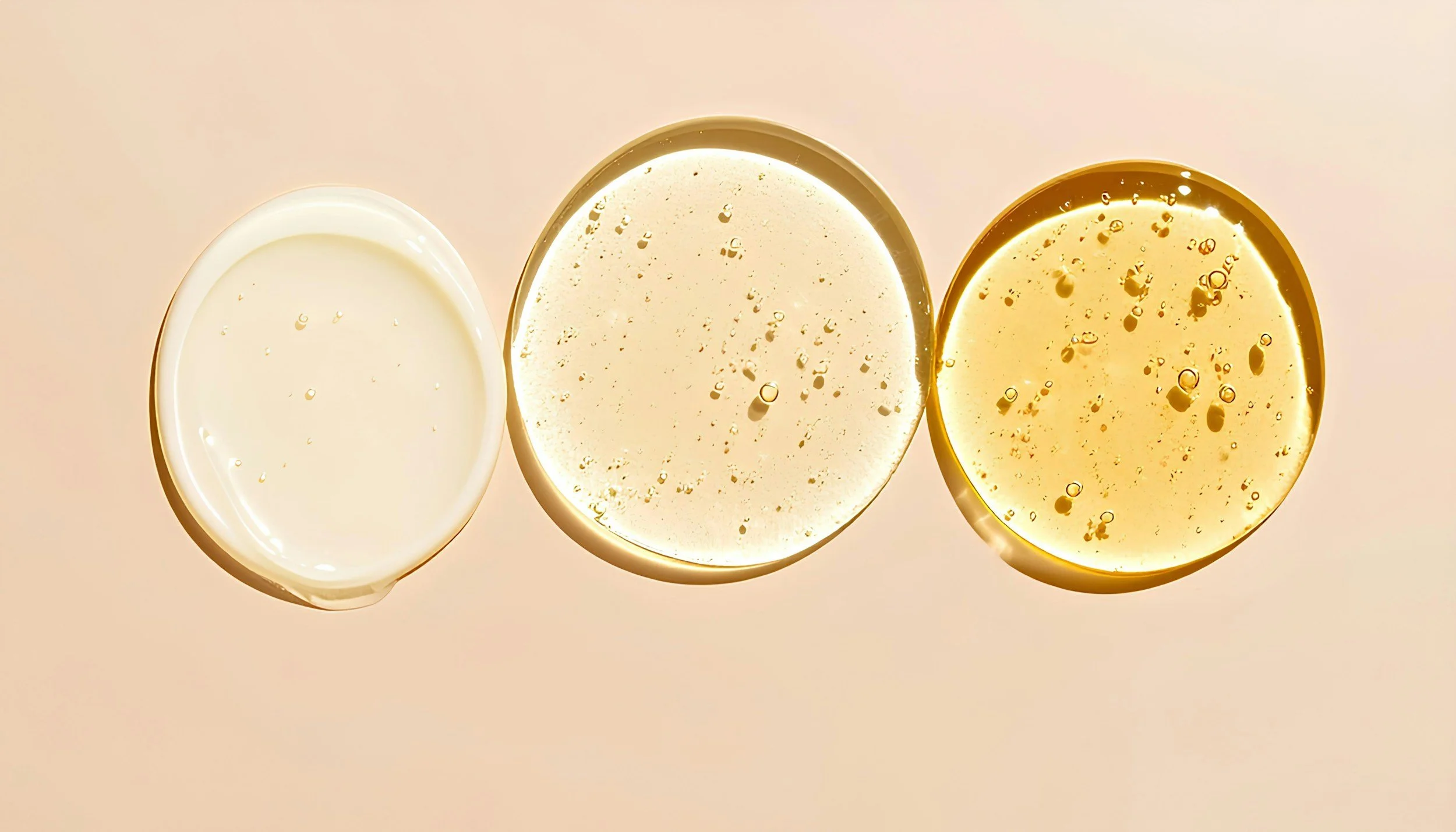
For people wearing water-resistant sunscreen or makeup, double cleansing can be useful. Start with a cleansing oil or balm to dissolve sunscreen without excessive rubbing, then follow with your regular water-based cleanser to remove remaining residue.
The goal is thorough cleansing without stripping or irritating the skin barrier.
The Nighttime Ingredients That Can Support Skin Recovery After Sun Exposure
Vitamin C is an antioxidant that can help neutralize free radicals and support collagen production. It can be used as part of a nighttime routine if your skin tolerates it well.
Hyaluronic acid, particularly when applied to slightly damp skin and followed by a moisturizer, helps attract and retain water and can improve the feeling of hydration after a day in the sun.
Centella asiatica has soothing and barrier-supporting properties that can be useful when skin feels irritated or sensitive.
Aloe vera can provide a cooling, soothing sensation for mildly irritated skin. Keeping an aloe product refrigerated can make the application particularly pleasant after a hot day.
If the skin is actually sunburned, however, skincare should remain simple and gentle. Avoid exfoliating acids, retinoids, scrubs, or other potentially irritating actives until the skin has recovered.
The Final Step: Sealing in the Benefits
The last step of a summer nighttime routine is often overlooked: moisturizing.
A lightweight moisturizer helps reduce water loss from the skin overnight and supports the skin barrier. Ingredients such as ceramides, glycerin, and squalane can provide hydration and barrier support without necessarily leaving the heavy, greasy feeling that some people dislike in warm weather.
You don't need an extremely occlusive product for everyone. The right texture is the one that keeps your skin comfortable without causing irritation or breakouts.
Nighttime Consistency as an Investment in the Skin You'll Have Years From Now
The difference between someone who cares for their skin both day and night and someone who focuses only on daytime protection may not be obvious after a few weeks.
It becomes more meaningful over years.
Daily broad-spectrum sun protection remains the most important step in preventing cumulative UV damage. A simple nighttime routine—cleanse, soothe and hydrate—can then support the skin barrier and help your skin recover from the environmental stress it experiences every day.
The best anti-aging routine isn't the most complicated one. It's the one you can follow consistently for years.