
Hair in the Pool and at the Beach: The Complete Routine to Keep Water From Destroying Everything You've Worked So Hard to Maintain
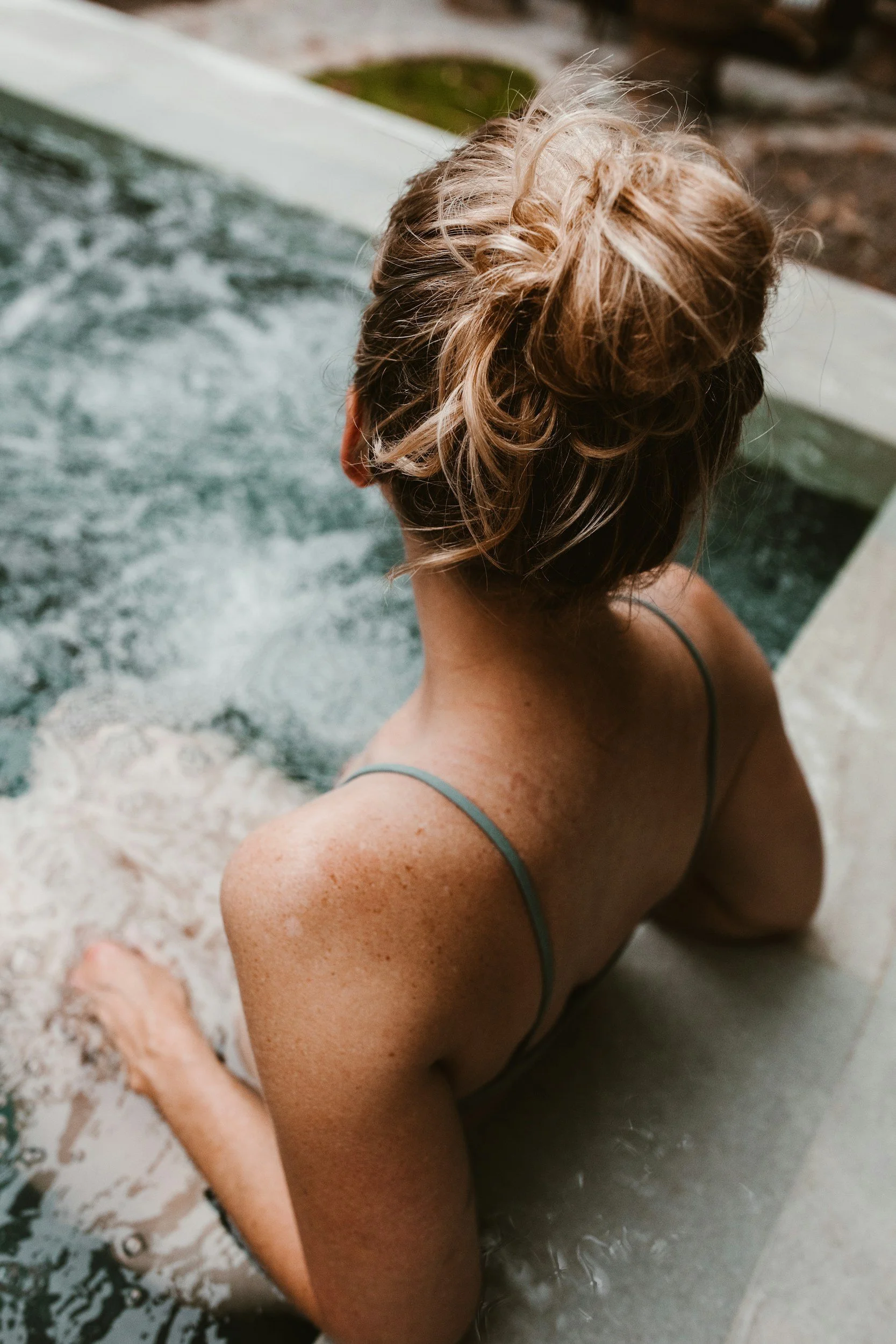
Chlorine is an oxidizing agent that can damage the hair's protective cuticle and contribute to changes in the inner structure of the hair fiber, resulting in increased dryness, fragility, and breakage. Salt water can also leave salt crystals on the hair that contribute to moisture loss, leaving it feeling dry, stiff, and more prone to tangling.
The Before-Water Routine: The Preparation That Makes the Biggest Difference
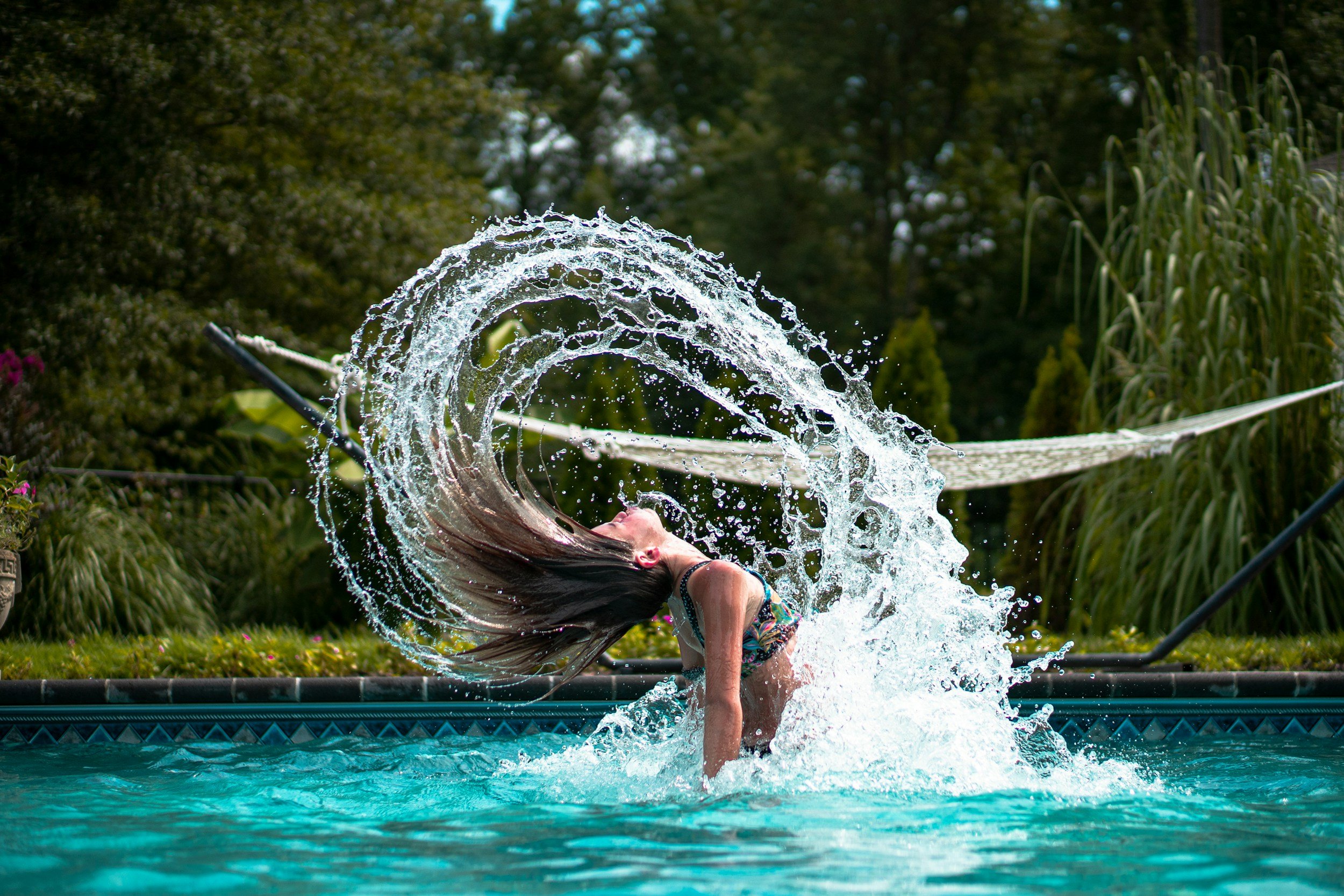
Pre-soaking your hair with clean water is one of the simplest and most affordable protective steps.
Thoroughly wetting your hair with fresh water before getting into a pool or the ocean means the hair fiber is already saturated and may absorb less chlorinated or salt water during exposure.
After soaking it, applying a small amount of leave-in conditioner can provide additional conditioning and help reduce friction and dryness. A light layer of oil can also help coat the hair, although oils should not be considered a substitute for proper rinsing and conditioning.
Coconut oil has been studied for its ability to penetrate the hair shaft and reduce protein loss, making it one of the more useful oils for pre-swim hair care.
The After-Water Routine: The Step That Prevents Accumulated Damage
Rinse your hair with fresh water as soon as possible after swimming. This is one of the most important habits for minimizing repeated exposure to chlorine and salt.
A gentle shampoo can remove residue without unnecessarily stripping the hair. For people who swim frequently, a clarifying or swimmer-specific shampoo can be incorporated periodically, depending on the hair's needs.
A deep-conditioning treatment once a week can also be particularly helpful during summer, especially for dry, curly, chemically treated, or heat-styled hair. Look for formulas containing conditioning ingredients such as shea butter, plant oils, or hydrolyzed proteins.
Special Care for Color-Treated Hair
Bleached, highlighted, or chemically treated hair can be more porous and therefore more vulnerable to environmental stressors.
For blond or highly lightened hair, there is another concern: copper in swimming-pool water can interact with the hair and contribute to unwanted greenish tones, particularly in porous or damaged hair.
The best prevention is simple: saturate the hair with fresh water before swimming, use a leave-in conditioner or suitable protective product, and rinse thoroughly afterward.
If green discoloration does occur, a swimmer-specific or chelating shampoo designed to remove mineral buildup can help. For significant discoloration or heavily processed hair, a professional colorist can usually correct it more safely than repeated aggressive home treatments.
Enjoying Summer in the Water Without Sacrificing Your Hair
A complete summer hair routine doesn't have to be complicated.
Wet your hair with fresh water before swimming.
Add a protective leave-in product.
Rinse thoroughly after getting out of the water.
Condition regularly.
Give chemically treated hair extra attention.
Protect your hair from prolonged sun exposure when possible with a hat or other physical barrier.
Those few extra minutes before and after swimming—and a weekly conditioning treatment—are a small investment compared with the time and money required to repair severely damaged hair after an entire summer.
The water doesn't have to be your hair's enemy. With the right routine, it can simply be part of the most active—and enjoyable—season of the year.