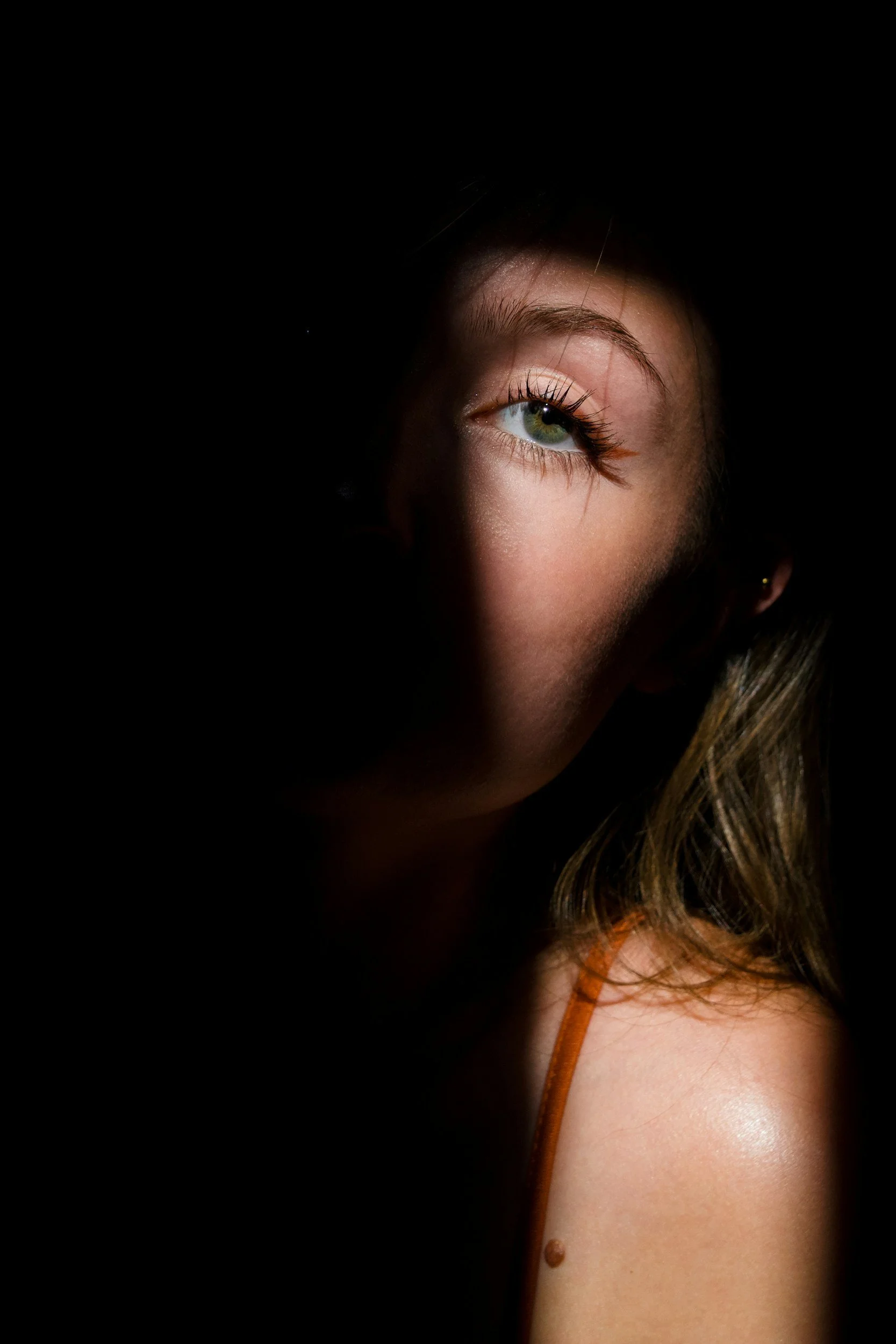

The Tan That Doesn't Damage Your Skin: How to Get That Summer Glow Without Putting Your Skin at Risk
A tan is actually the skin's defense response to damage caused by ultraviolet radiation to the DNA of epidermal cells. Melanocytes respond by producing melanin in an attempt to absorb UV radiation and protect genetic material. The darker color we recognize as a tan is that melanin at work.
For people with darker skin tones, the absence of visible sunburn can create the false impression that the skin is completely protected, even though UV-related DNA damage can still occur.
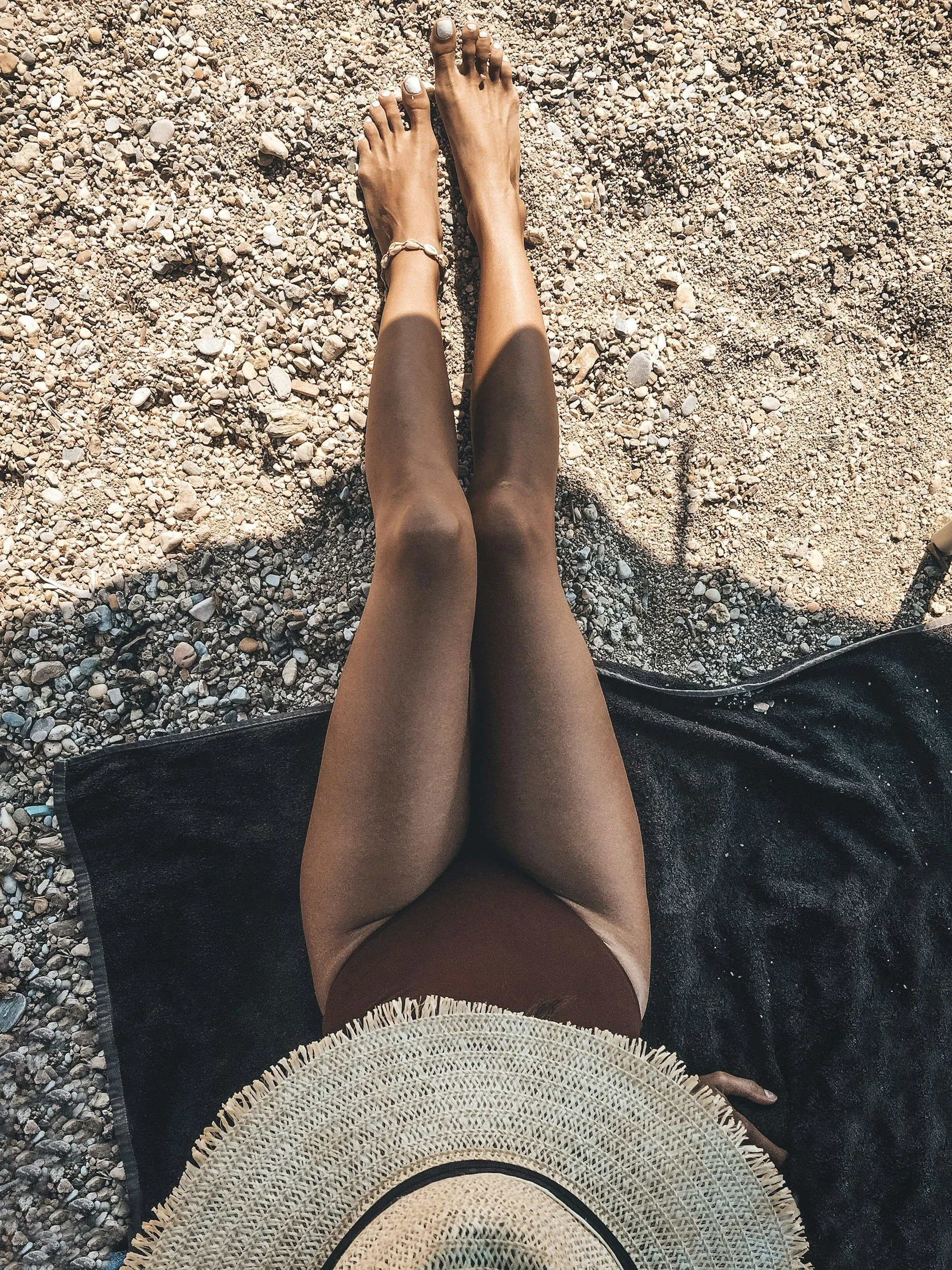
Gradual Tanning With Protection: The Lower-Damage Approach
If you choose to spend time in the sun, shorter exposure during periods of lower UV intensity—generally earlier in the morning or later in the afternoon—combined with correctly applied broad-spectrum SPF 30 or higher offers substantially more protection than deliberate sunbathing without sunscreen.
Sunscreen does not completely prevent tanning. Even with SPF 30, some UV radiation reaches the skin. But that doesn't make intentional UV exposure a safe way to tan: there is no truly damage-free UV tan.
And while moisturizing can make already-tanned skin look smoother and more even, it does not slow the skin's natural cell turnover enough to meaningfully extend a tan. The safest way to make a tan last longer is to avoid additional UV exposure and keep the skin moisturized.
Self-Tanners: Summer Glow Without UV Exposure
Modern self-tanners can produce much more natural-looking results than the products of decades past.
Their active ingredient is dihydroxyacetone, or DHA, which reacts with amino acids in the outermost layer of the skin to produce brown-colored compounds. The color created by DHA is not melanin and provides no protection against UV radiation.
Preparation is key. Gently exfoliating the day before application can help create a more even result, with particular attention to areas such as the elbows, knees, and ankles, where self-tanner can accumulate. Applying a light moisturizer to those areas before tanning can also help prevent them from developing noticeably darker patches.
Highlighters and Food That Can Enhance Your Glow
Highlighters containing golden or bronze-toned particles can create the appearance of luminous, sun-kissed skin, particularly on the high points of the face where light naturally hits.
Foods rich in beta-carotene, including carrots, mangoes, papayas, and orange and red peppers, can contribute to subtle changes in skin coloration when consumed regularly over time. A balanced diet rich in fruits and vegetables also provides antioxidants and other nutrients that support overall skin health.
But food is not a substitute for sunscreen. No diet can provide the level of UV protection that proper sun protection measures can.
The Glow That Lasts Beyond Summer
The color produced by the sun is temporary. It fades as the skin naturally renews itself over the following weeks.
The DNA damage associated with UV exposure, however, is cumulative.
The most lasting summer glow isn't the deep July tan that disappears by September.
It's healthy-looking skin that reaches your forties, fifties, and sixties with the texture, luminosity, and even tone that consistent care over the years can help preserve.
The best summer glow isn't the one you tan for. It's the one you protect.