
Your Phone Knows a Lot About You: How Much Privacy Are We Giving Away?
Photos, location, conversations, and daily habits: understanding what data we share and how to protect it.

A Whole Life Inside Our Phones
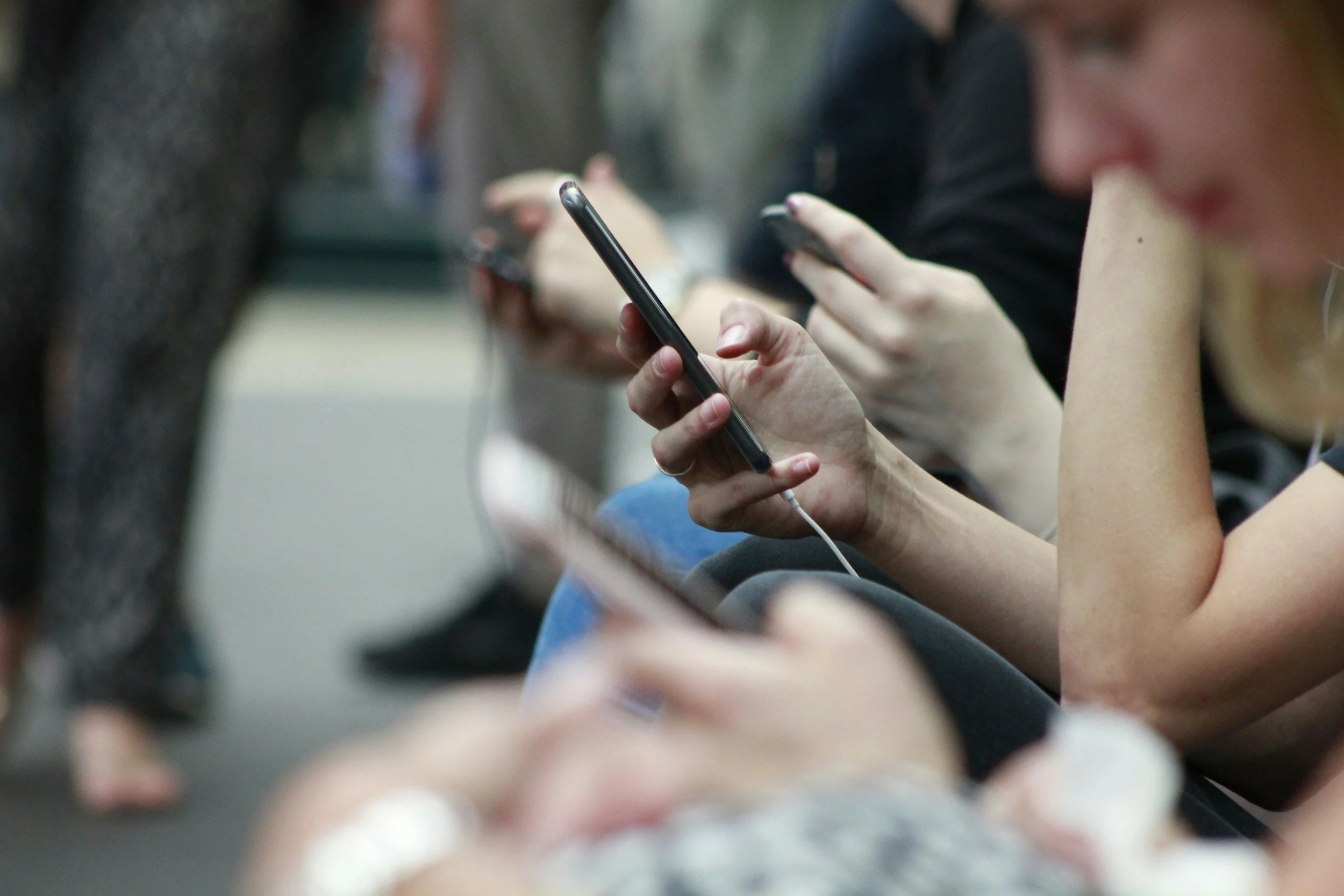
Our smartphones store contacts, photographs, search histories, messages, and, in many cases, banking information. They accompany us to work, to school, and on our travels. The convenience is undeniable, but it's also worth asking who may have access to some of that information.
The Digital Footprint We Leave Behind
Apps can collect information about our activity, device identifiers, preferences, and location. Some of this data is necessary to provide a service, while other information may be used for analytics or advertising. The challenge is understanding why each piece of information is being requested and deciding whether we want to share it.
App Permissions: Think Before You Agree
A navigation app needs to know our location to provide directions, while a video calling app may require access to our camera and microphone. But not every permission is essential. Both Android and iPhone allow us to review access to contacts, photos, location, and microphones, and often restrict that access to times when we're actively using an app.
What Our Location and Photos Can Reveal
Our movements can reveal daily routines and frequently visited places. Photographs, meanwhile, may contain metadata such as the date, time, and location where they were taken. Before sharing sensitive files, it's worth reviewing these details and exploring options for removing location information.
Is Our Phone Listening to Our Conversations?
Seeing an advertisement related to something we just mentioned can feel unsettling, but it doesn't prove that our phone recorded the conversation. Advertising systems can predict our interests based on searches, online activity, and other digital signals. Reviewing advertising preferences and app permissions is a sensible precaution.
Five Simple Settings Worth Checking
Review app permissions, delete apps you no longer use, enable two-factor authentication, install software updates, and check where your backups are stored. Absolute privacy may not exist, but small habits can help reduce risks. Protecting our digital lives is another way of exercising our freedom.