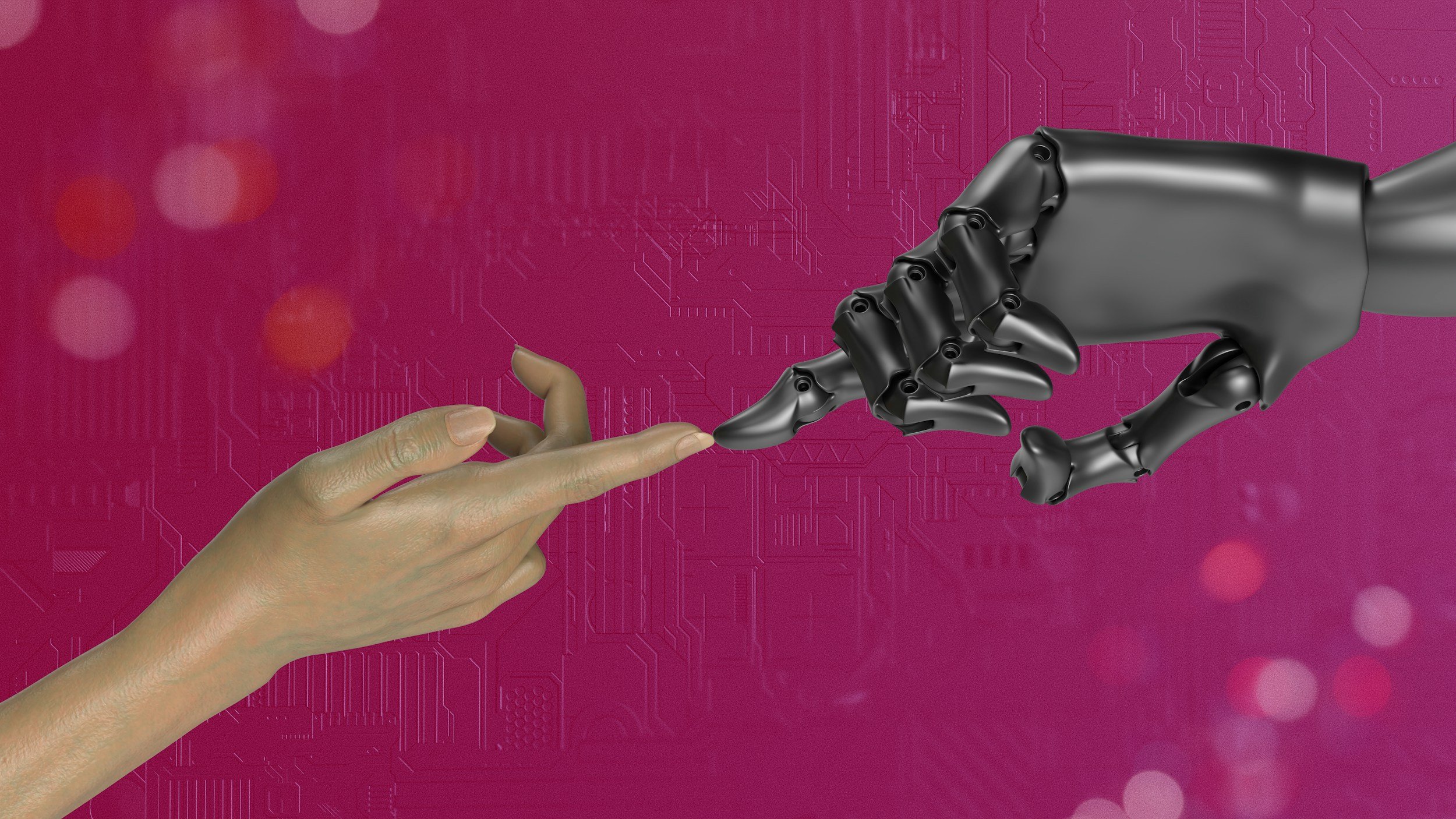

Artificial Intelligence Is Already Part of Your Life, Even If You Haven’t Noticed
From movie recommendations to tools that help us write, artificial intelligence has become part of our everyday routines.

A Technology That’s Already With Us
You check the weather forecast, look for the fastest route, and receive movie recommendations. Behind many of these experiences, artificial intelligence may already be at work. It no longer belongs exclusively to research laboratories: it is now part of the applications we use every day, often without even realizing it.
What Exactly Is Artificial Intelligence?
Artificial intelligence refers to a range of technologies capable of performing tasks involving image recognition, language interpretation, pattern identification, or content generation. Some systems learn from large amounts of data to produce predictions or responses. But writing a convincing email does not mean understanding emotions the way a human being does.
Five Everyday Moments
Digital maps can analyze traffic information; entertainment platforms suggest movies or songs; your keyboard predicts words; apps organize photographs using image recognition; and online stores display products related to your interests. Not all these features rely exclusively on AI, but many incorporate models designed to identify patterns.
Now We Can Have Conversations With It
Generative AI assistants allow us to ask questions, request explanations, organize ideas, or prepare drafts. They can help us practice English, plan an itinerary, or prepare questions for an interview. You don’t need to know how to code: a clear instruction and a little context are often a good place to start.
Why Fact-Checking Matters
AI can make mistakes, invent references, or present outdated information with apparent confidence. It is important to verify information related to health, finances, legal matters, or work, and to avoid sharing passwords or confidential documents. Technology can help us think, but it cannot replace our own judgment.
Curiosity Is the Best Place to Start
We don’t need to try every new tool or follow every technological trend. We can simply choose an everyday task and explore whether a particular tool might make it easier. Its true value lies not in doing everything for us, but in expanding our possibilities without giving up our independence, creativity, or ability to make our own decisions.