

Cybersecurity for Latina Entrepreneurs: How to Protect Your Business, Your Money, and Your Digital Identity Without Being a Tech Expert
There’s a type of threat that doesn’t make the news when it happens to a small business owner. It doesn’t generate headlines. It doesn’t trigger high-profile investigations. But it happens every day, quietly—and when it does, it can destroy years of work in a matter of hours.
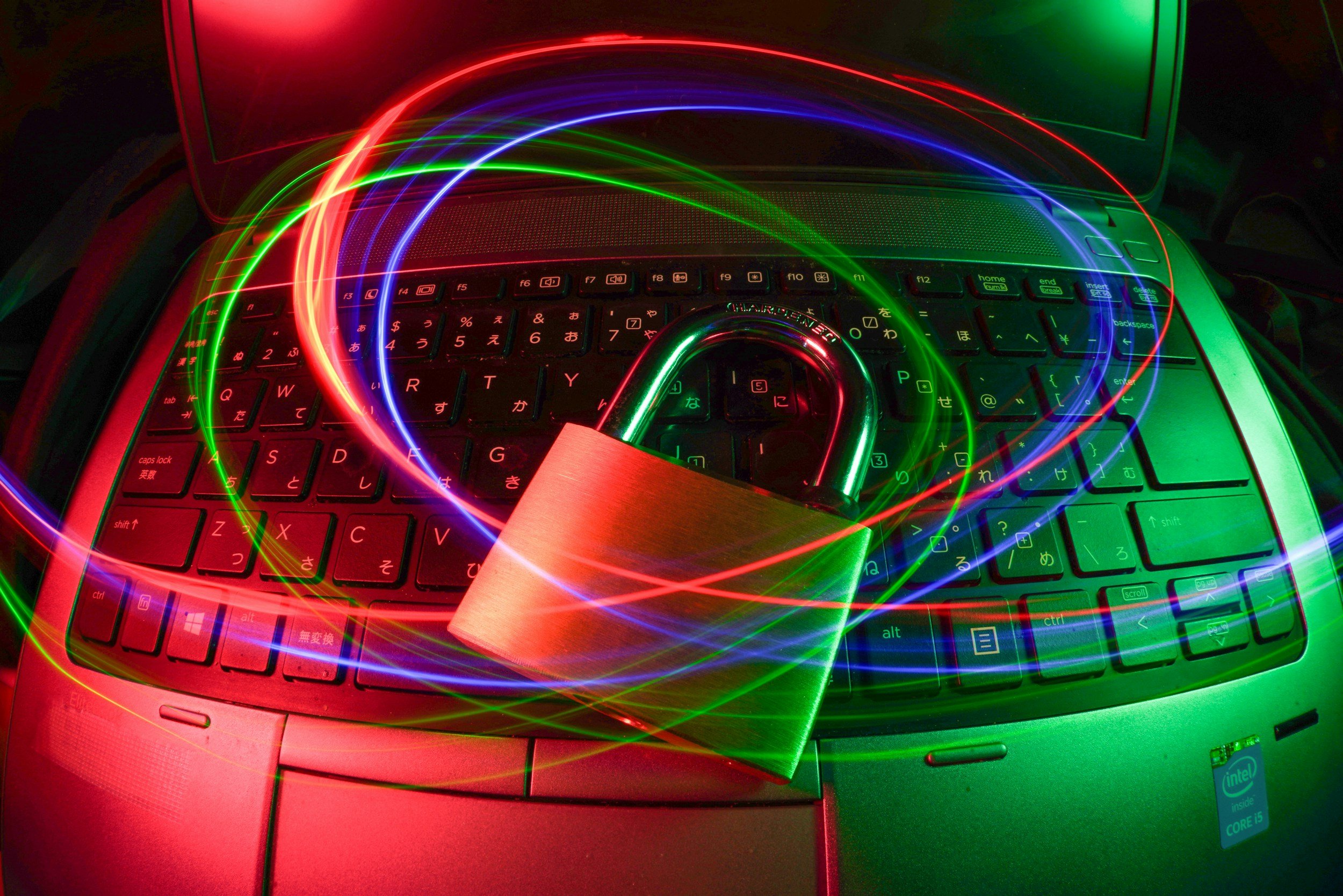
An Instagram account hacked, losing five thousand followers built over three years. A fraudulent bank transfer that empties a business account because someone got access to the password. An email that looked like it came from a client but was actually a trap that installed malicious software. A phone call that sounded like it came from the bank—but it was a scammer with just enough information to sound completely convincing.
These are not science fiction scenarios. This is everyday cybersecurity in 2026. And it disproportionately affects small businesses, which have fewer resources to protect themselves and less capacity to recover once the damage is done.
The good news is that most common cyberattacks can be prevented with basic measures that don’t require technical expertise. They only require awareness—and consistency.
Why small businesses are the most vulnerable
There’s a widespread misconception about cybersecurity that causes many small entrepreneurs to deprioritize it: the idea that hackers go after big targets—corporations, banks, companies with millions of customers.
That’s only partially true.
In reality, attacks on small businesses are often more profitable per effort precisely because large companies invest in cybersecurity—and small ones often don’t.
A scammer who sends the same fraudulent email to ten thousand people knows that a percentage will fall for it—and among them will be small businesses with real bank accounts, credit cards, and valuable customer data.
For Latina entrepreneurs in the U.S., there’s also a specific vulnerability worth naming. Immigrant communities have historically been targeted by scams that exploit unfamiliarity with systems, fear of authorities, and language barriers. Those same tactics now exist in digital form—emails, texts, and calls using the exact same emotional triggers.
The five most common threats you need to know
Phishing (impersonation scams)
The most common—and most effective—attack. You receive an email, text, or call that appears to come from a trusted source (your bank, IRS, PayPal, Instagram, a client) asking you to act urgently.
Urgency is the key. The message pushes you to click, log in, call, or transfer money right now.
Golden rule: never click links in emails or texts to access your accounts. Always go directly to the official website or app. If the issue is real, it will show up there.
Password theft
Using the same password (or slight variations) across multiple accounts is one of the biggest risks.
Hackers use leaked databases of millions of credentials and test them across platforms. If one account is compromised, all others using that password are at risk—including your bank.
Invoice and payment scams
A hacker gains access to an email account (yours or a client’s), monitors conversations, and steps in at the exact moment a payment is about to happen—sending altered bank details.
Once the money is transferred, it’s usually irreversible.
Social media account hacks
For entrepreneurs who rely on Instagram, TikTok, or Facebook, losing access can mean losing years of audience, content, and trust.
These attacks often happen through phishing or weak/reused passwords.
Ransomware (data hostage attacks)
Malicious software encrypts all your files and demands payment to unlock them.
Without backups, recovery is often impossible without paying.
Basic measures that prevent 90% of attacks
You can implement these this week—no technical expertise required:
Use unique, strong passwords for every account
A password manager like Bitwarden (free) or 1Password (low cost) generates and stores secure passwords. You only remember one master password.
👉 This is the single highest-impact change you can make.
Enable two-factor authentication (2FA)
Adds a second layer of security (usually via your phone). Even if someone has your password, they can’t access your account.
Activate it for:
Email
Social media
Bank accounts
Payment platforms
Set up automatic backups
Store copies of important files (documents, photos, client data) in cloud services like Google Drive, Dropbox, or iCloud.
Backups turn a disaster into a recoverable problem.
Keep software updated
Updates fix security vulnerabilities. Turn on automatic updates for your devices and apps.
Use a separate WiFi network for your business
If you work from home, separating networks reduces risk from compromised personal devices.
Warning signs you should never ignore
These situations always require caution—no matter how urgent or official they seem:
Requests for urgent payments through unusual channels
Calls claiming to be from the IRS, Immigration, or government agencies demanding immediate payment
Emails asking you to confirm login details via a link
Offers that sound too good to be true
If in doubt: pause, verify, and don’t act immediately.
What to do if you’ve already been targeted
Speed matters.
Social media account compromised:
Change your password immediately, enable 2FA, and report it through the platform.
Bank account compromised or fraudulent transfer:
Call your bank immediately. Acting within hours can make the difference.
Malware installed:
Disconnect from the internet immediately and consult a trusted technician.
Report the incident:
File a report at reportfraud.ftc.gov (U.S. Federal Trade Commission). It helps identify patterns and protect others.
Cybersecurity isn’t paranoia—it’s maintenance
There’s a simpler way to think about cybersecurity: it’s not fear—it’s prevention. Like changing your car’s oil or getting a yearly check-up.
Basic habits—unique passwords, 2FA, backups, updates—won’t eliminate risk completely. But they reduce it so much that most attacks simply fail and move on to easier targets.
The business you built deserves protection.
And that protection starts with simple decisions you can make today.