
Active Vacations: How to Use Summer to Move Your Body in Ways That Don't Feel Like Exercise
There is a way of moving that the fitness industry rarely counts in its metrics but that produces health benefits just as real as those of any structured routine. It is the movement that occurs naturally as a consequence of doing things that are genuinely enjoyed, without anyone having called it exercise. People who find forms of movement they genuinely enjoy tend to maintain higher levels of physical activity over years than those who exercise exclusively out of discipline. Summer, with its opportunities for pleasurable movement that the rest of the year doesn't offer in the same way, can be the laboratory where those forms are discovered — forms that can be sustained well beyond the season.
The Vacation Activities That Move the Body Most Without Feeling Like Exercise
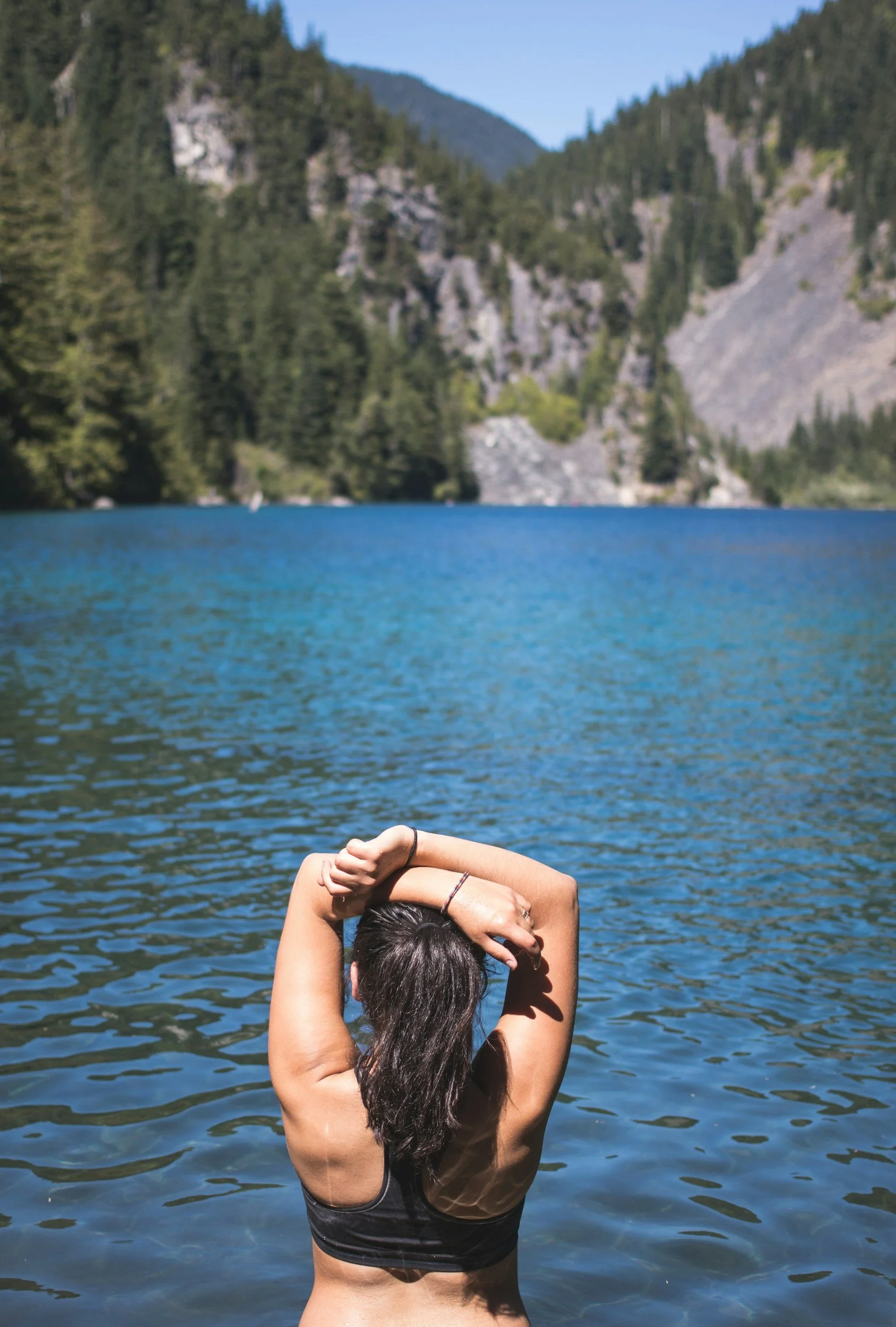
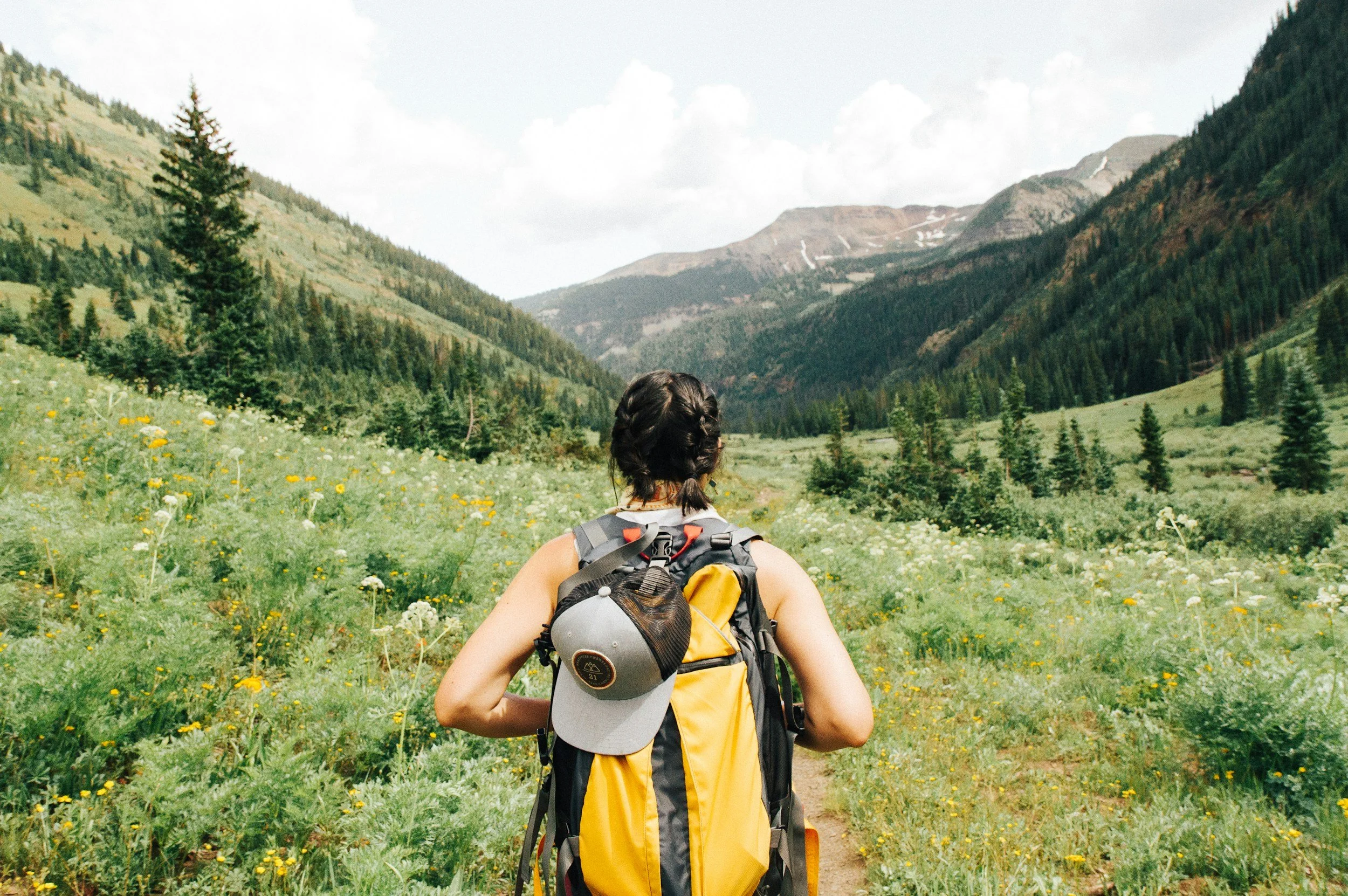
Hiking: a two-hour walk in a nature park produces a caloric expenditure and cardiovascular benefit comparable to an hour of moderate gym exercise, with the difference that the subjective experience is one of an enjoyable outing rather than a workout. Swimming and water play: an afternoon of play at the lake or beach with the kids — races in the water, jumps off the dock, chasing each other around — can represent two or three hours of intense physical activity that nobody counted as exercise. Dancing: one hour of salsa or cumbia produces a caloric expenditure comparable to an hour of jogging at a moderate pace, with coordination work and an effect on mood through music and social connection that no treadmill can match.
How to Plan Intentionally Active Vacations
When choosing a destination: one with a lake, river, beach, mountain, or accessible park offers more natural opportunities for movement. When planning activities: deliberately including one or two movement-based activities per day — not as obligations but as part of what you want to experience. The morning kayak session, the afternoon hike to the overlook, the bike ride to the market, the snorkeling afternoon in the cove: all of these are vacation activities that are also movement. When involving the kids: letting them participate in choosing activities within a range of options produces activities they genuinely enjoy that involve movement in ways the adult wouldn't need to impose.
Movement as a Gateway to Experience
Outdoor movement in new places opens access to experiences that passive tourism doesn't produce in the same way. The trail that leads to the waterfall that doesn't appear in any tourist brochure. The beach that can only be reached by walking twenty minutes. The overlook that requires a thirty-minute climb but offers a view that no tour bus can produce. The local market reached by bicycle through the neighborhood that no organized tour shows. Those experiences — made possible by movement — are frequently the ones that remain in the memory of trips long after the hotels and restaurants are forgotten.
The Active Summer Worth Living
Active vacations don't require that the vacation revolve around exercise. They simply require that among the available options for destination and activities, those that involve movement be chosen with a certain preference. The active summer is not the most exhausting summer or the most disciplined one. It is the most fully lived summer. That consistent movement — in whatever form summer makes possible, sustained over three months of warmth — is what arrives in September with cardiovascular and strength adaptations preserved, with the energy that regular exercise produces, and with the relationship with one's own body that movement builds regardless of the season.