
Eating Well in Summer Without Cooking: How to Nourish Yourself When the Heat Makes the Kitchen the Last Thing You Want to Turn On
The most natural and intuitive summer nutrition is not a reduced version of winter eating with less cooking. It is a completely different way of eating that cultures living in hot climates developed over centuries, precisely because they understood that heat changes what the body needs and what makes the most sense to prepare. Spanish gazpacho. Peruvian ceviche. Mexican nopalitos salad. Mango and cucumber salad with chile and lime. All of those preparations are culturally familiar to many Musa readers, and they are also nutritionally extraordinary for summer because they provide hydration, vitamins, minerals, and antioxidants in exactly the forms the body needs most in the heat.
Preparations That Don't Require Turning On the Stove
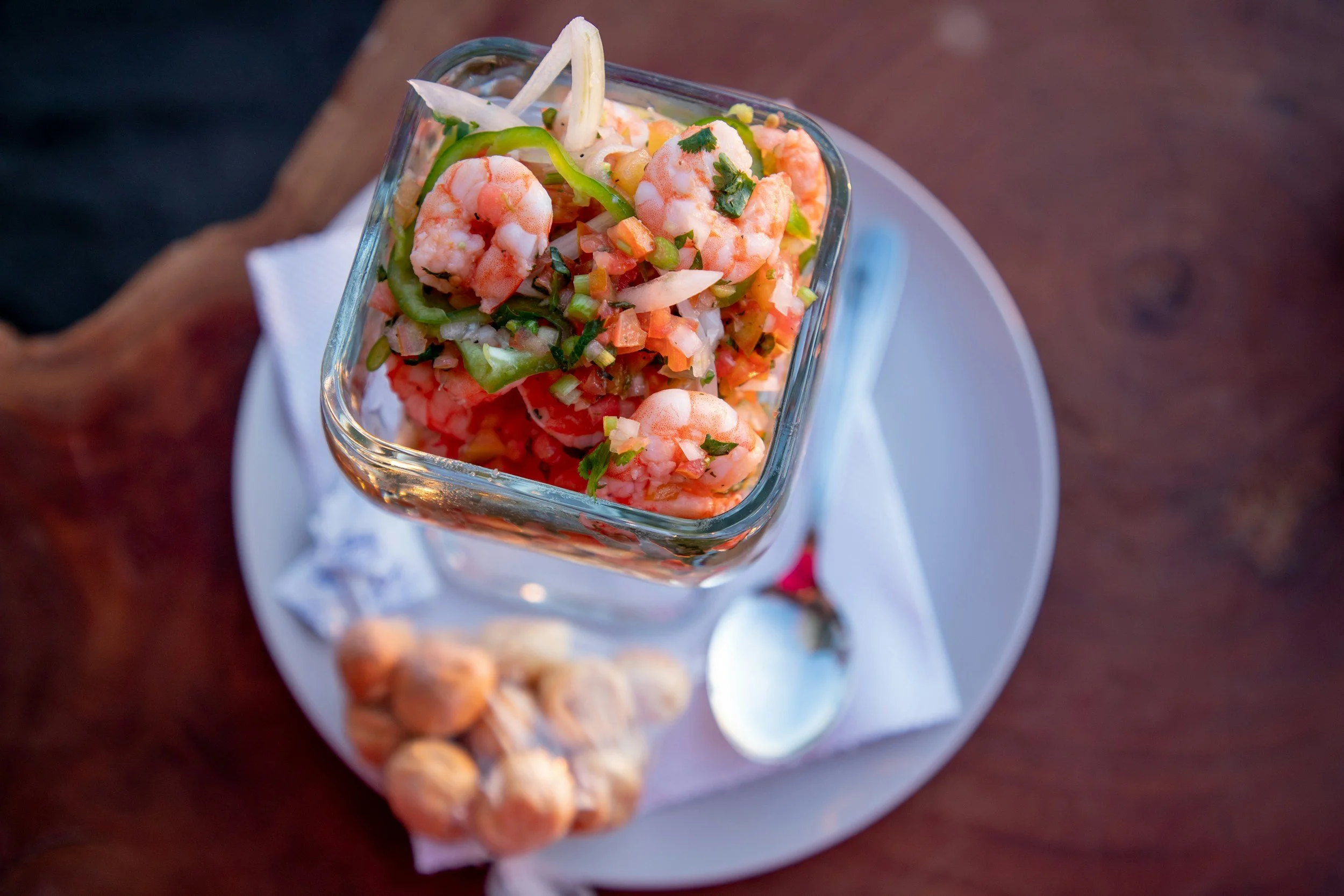
Ceviche with any protein: high-quality protein marinated in citrus that denatures it without heat, with fresh vegetables that provide fiber and micronutrients. Preparation takes fifteen minutes and everything happens in the refrigerator. Raw bowls with pre-cooked grains and fresh vegetables: grains can be cooked in large quantities on Sunday mornings and stored in the refrigerator throughout the week, ready to assemble into bowls in five minutes with no additional heat on the day they're eaten. Wraps with corn or flour tortillas — no frying required — are the perfect base for preparations assembled in minutes with any available protein, fresh vegetables, and a sauce.
Summer Batch Cooking: Cook Once, Eat All Week
Batch cooking concentrates all the cooking heat into a single moment of the week — preferably Sunday morning, when the outside heat hasn't yet reached midday intensity. The most versatile components: cooked grains like quinoa or brown rice, cooked legumes like black beans or chickpeas, oven-roasted vegetables in quantity that work equally well cold in salads or at room temperature in wraps, and cooked protein that keeps in the refrigerator for four or five days. With those components ready to go, assembling a complete meal in summer takes literally five minutes with no additional heat on the day it's eaten.
The Summer Foods That Nourish Most Without Any Preparation
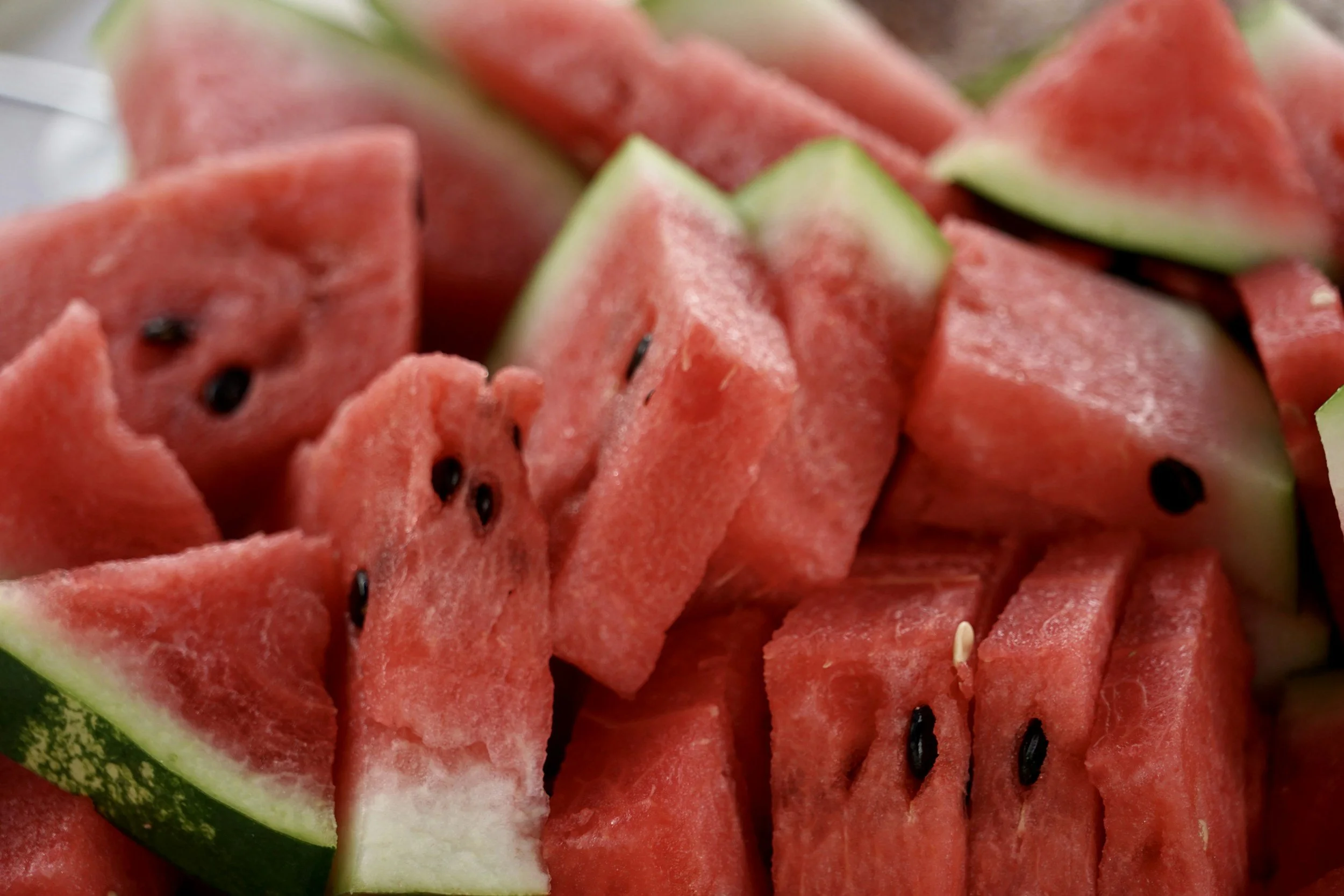
Watermelon: the most hydrating summer food available, with a water content of 92%, and it also contains lycopene in higher concentrations than tomatoes. Mango at its peak ripeness in June and July: one of the most nutrient-dense fruits available in summer, with vitamin C, vitamin A, folate, and anti-inflammatory antioxidant polyphenols. Avocado: a source of healthy monounsaturated fats with potassium in concentrations that exceed those of bananas. Simply halved with olive oil and salt, it's a preparation that requires not even a kitchen knife and is nutritionally extraordinary.
Drinks That Nourish Instead of Just Refreshing
Hibiscus water made with dried jamaica flowers — left to cool and finished with lime and little to no added sugar — has documented antioxidant properties, with flavonoids that have favorable effects on blood pressure. Cucumber water with lime and mint, prepared in ten minutes with sliced cucumber, lime, and mint leaves steeped in cold water for at least an hour, is extraordinarily refreshing and contains no added sugar. Fruit smoothies made with a base of plain yogurt or unsweetened plant milk — with a scoop of protein powder for extra substance if desired — can be a complete breakfast or snack in summer that requires no heat and takes two minutes in the blender.