

What You Inherited From Your Mom That Isn't in Your Genes: Emotional Health Patterns That Pass From Mother to Daughter — and How to Heal Them Together
By Equipo de Redaccion | Salud y Bienestar | Especial Dia de la Madre
There are things you inherit from your mother that won't show up in any DNA test. They're not in your eye color or your predisposition to certain illnesses. They're in the way you tense your shoulders when someone criticizes you. In the difficulty of saying no without immediately feeling guilty. In the tendency to minimize your own pain before someone else does it for you. Those things are inherited too. Only the mechanism isn't biological — it's relational. It's the silent transmission of emotional patterns that move from body to body, generation to generation, without anyone naming them or consciously choosing them.
The Transmission Science Can Now Explain
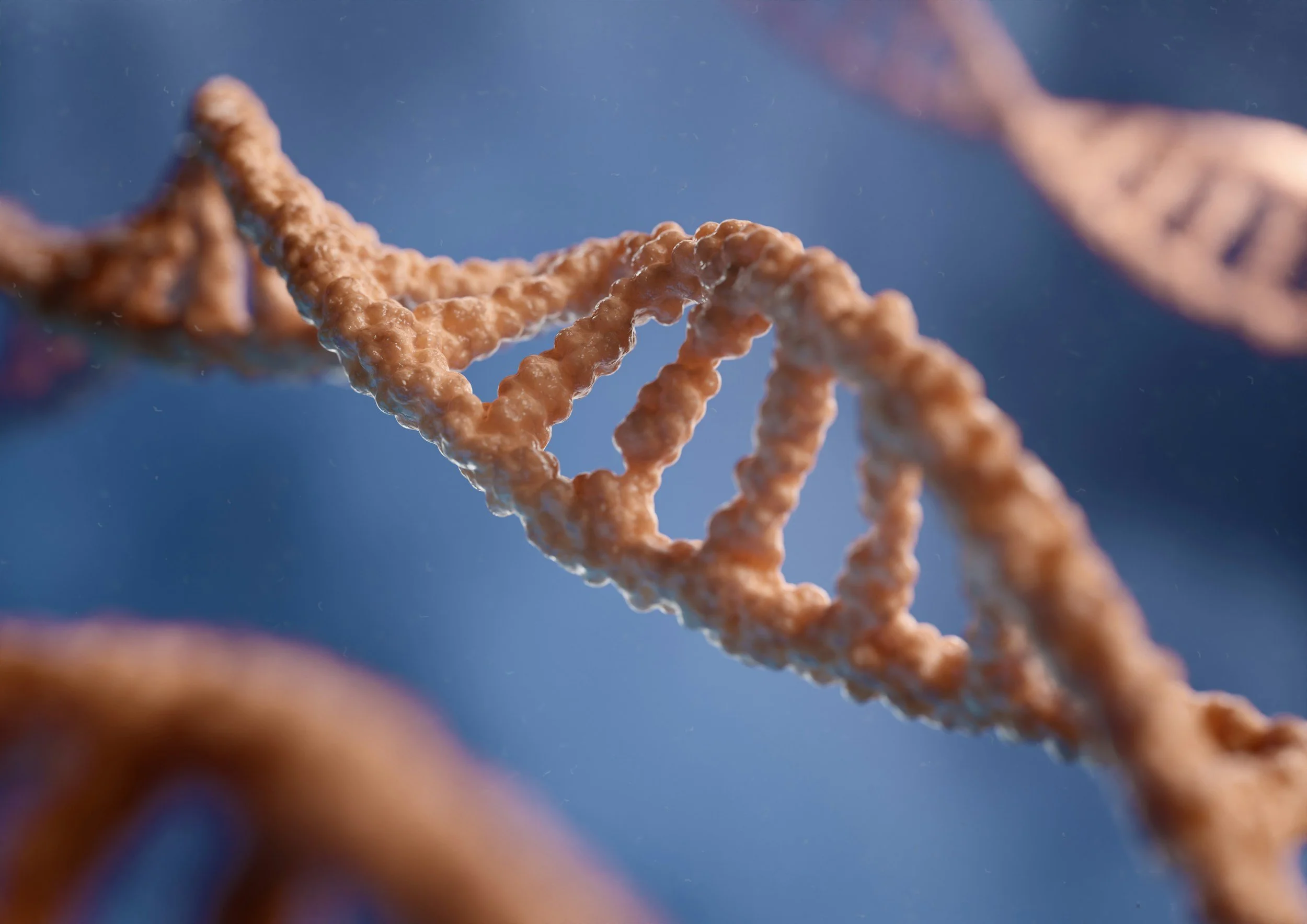
Epigenetics has shown that certain traumatic experiences can leave marks on gene expression that are passed down to future generations. For Latin American families — who often carry histories of political violence, extreme poverty, forced displacement, and traumatic migration — this research holds particular resonance. The body of a grandmother who lived through war may have passed on to the mother's body a stress response more heightened than the mother's own direct experience would explain. This isn't determinism. It means the body has memory, and that memory is transmitted.
The Five Most Common Patterns That Pass From Mother to Daughter
Sacrifice as identity: daughters learn that their own needs matter less than everyone else's, that asking for help is selfish, and that rest must be earned. Difficulty naming emotions: the result of growing up in an environment where naming them wasn't safe. Hypervigilance as a default mode: chronic alertness that manifests as generalized anxiety with no real threat to justify it. A complicated relationship with the body and food. Invisible or nonexistent boundaries: daughters who say yes when they mean no, who feel responsible for everyone else's emotions.
Healing Together: When It's Possible and How
The first condition is that both are willing to look. Not every mother has the readiness to examine the patterns she passed on. The conversation of history, not blame: when a daughter genuinely asks about her mother's emotional history, a space of understanding opens that shifts the relationship with inherited patterns. Family or intergenerational therapy: a growing number of Latina therapists specializing in intergenerational work operate in Spanish and understand the specific cultural context of these families.
What Changes When a Daughter Heals
When a daughter works through the patterns she inherited from her mother, she doesn't only heal herself. She changes what she passes on to her own daughters. She changes what she models for the women watching her. That work isn't a betrayal of the mother. It's the deepest tribute you can pay her: taking what she gave with love and turning it into something the next generations won't have to carry the same way. This Mother's Day, beyond being grateful for what your mother gave you, you can also honor her like this — by healing what she couldn't heal, because she didn't have the tools you have now.