

Eating with Nostalgia: How to Cook the Food from Your Country Without Sacrificing Your Health or Your Identity
There’s a moment many immigrants know by heart. You’re in the kitchen, far from home, and suddenly the smell of a sofrito, freshly made tortillas, or rice pudding simmering slowly does something no medicine can replicate: it brings you back. It takes you to a safe place. To a table. To a voice. The food from our countries isn’t just nourishment. It’s memory, identity, love in its most tangible form.
The problem isn’t the recipe. It’s the adaptation no one taught us.
Traditional Latin American cooking was, in many ways, extraordinarily nutritious: legumes, whole grains, fresh vegetables, lean proteins, anti-inflammatory herbs. The problem didn’t come from the original recipes. It came from the modern adaptations: processed rice, hydrogenated vegetable fats, industrial broths loaded with sodium. What we call “food from my country” is sometimes a diluted version of a culinary tradition that was, at its core, much healthier.
Four principles to cook with roots—and with health
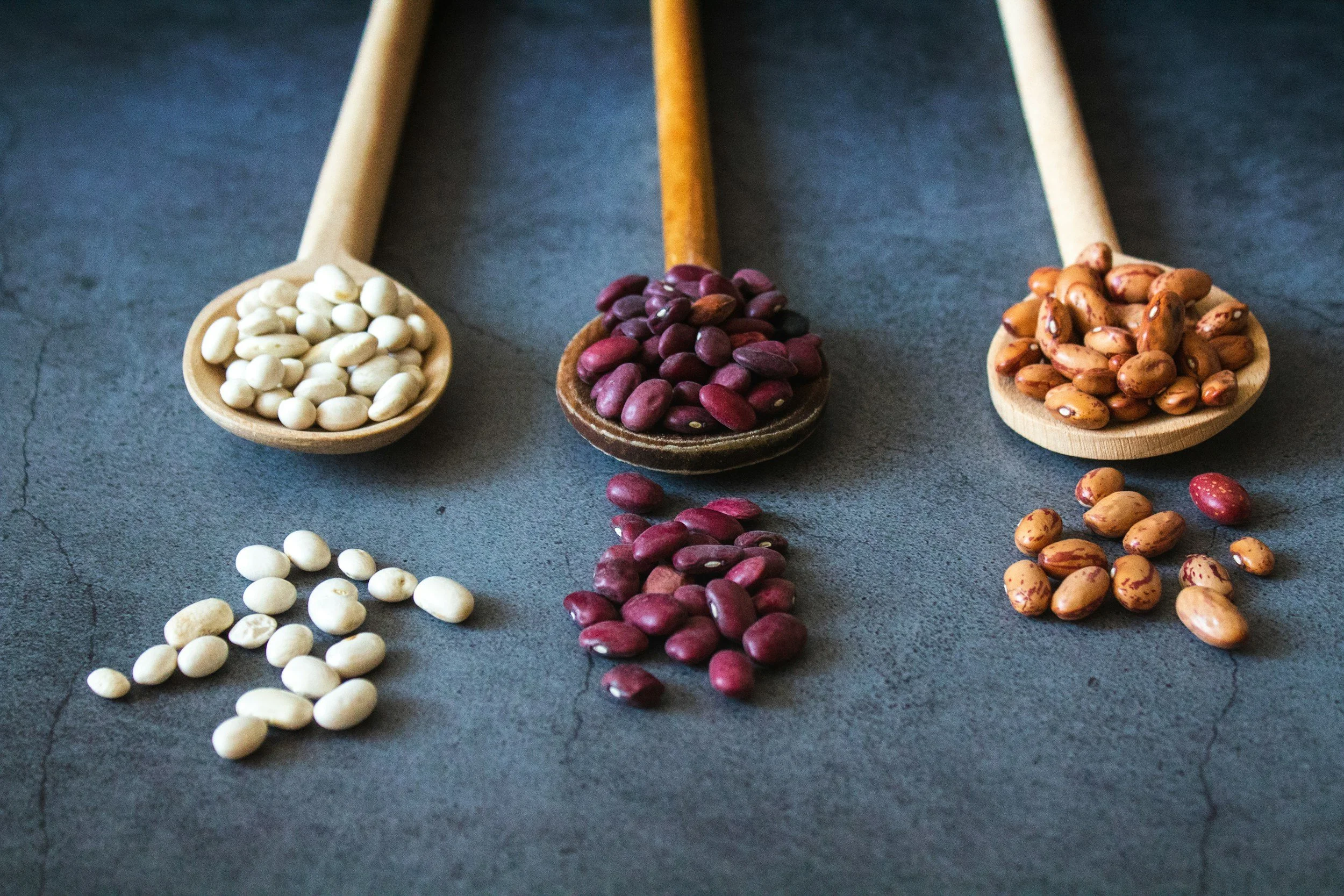
Return to the base ingredients: black beans cooked from scratch, without the sodium of canned versions, are an extraordinary source of plant protein. Nixtamalized corn has a level of nutrient bioavailability that industrially processed corn simply can’t match. The difference isn’t the ingredient—it’s how it reaches your kitchen.
Update your fats without losing flavor: replacing hydrogenated fats with extra virgin olive oil doesn’t betray the recipe—it modernizes it.
Add more vegetables with texture: squash, chayote, cassava, green plantain, nopales—deeply Latin ingredients that increase nutritional value without taking away the dish’s identity.
Reduce sodium with more spices: achiote, cumin, oregano, chili, cilantro, epazote. Rediscovering the aromatic power of our region’s spices is rediscovering that health and flavor are not opposites—they are the same thing when we return to the roots.
The emotional weight of changing what we cook
Changing how we cook can feel like a betrayal—of the grandmother who taught us the recipe, of the family that expects the same dish. But there’s an important distinction: adapting a recipe isn’t abandoning it. Culinary traditions have always been alive, always evolving. Letting them change once more—this time toward your health—is not losing your roots. It’s honoring them in the most genuine way.
Cooking for the soul and the body at the same time
There’s no Mediterranean, Japanese, or Nordic diet that can give you what your own food gives you when it’s prepared with love and awareness. You don’t have to choose between your health and your identity. It was never a real choice.
Cook it.
Adapt it.
Pass it on to your children.
And as you do, remember: you’re keeping a story alive.