

What Your Gut Is Trying to Tell You This Spring: How Seasonal Changes Affect Your Microbiome and What to Do About It
By: Editorial Team | Health & Wellness
Many people experience a specific set of symptoms in the spring without ever connecting them to the season: digestion suddenly becomes irregular, the abdomen feels more bloated than usual despite no change in diet, and moods fluctuate with surprising speed. While many blame "seasonal stress," microbiome science offers another perspective: our gut has its own seasons. The transition from winter to spring is actually one of the most intense periods of reorganization for the microbial ecosystem living within us.
The Seasonal Microbiome: Scientific Findings
Your gut microbiome is not static. It shifts based on how we eat, how we sleep, and—as recent studies show—seasonal environmental changes. Several factors drive this:
Dietary Shifts: We naturally gravitate toward more fresh produce in the spring.
Sunlight: Increased Vitamin D levels interact directly with receptors in the intestinal lining.
Movement: Increased aerobic exercise outdoors boosts microbial diversity.
Circadian Rhythms: As daylight hours change, your microbes (which have their own internal clocks) must resync with your body’s schedule.
Spring Strategies for Gut Health
Scale Up Fiber Gradually: Moving abruptly from heavy winter meals to raw fruits and veggies can cause gas and bloating. This happens because your gut hasn't yet built up the specific bacterial populations needed to ferment that fiber. Spend two to three weeks slowly increasing your intake to let beneficial bacteria flourish.
Consistency Over Quantity with Fermenteds: Incorporate small, daily portions of fermented foods like Mexican tepache, homemade pickles, unsweetened yogurt, or kefir. Small daily doses are far more effective than eating large amounts once in a while.
Seasonal Spring Vegetables
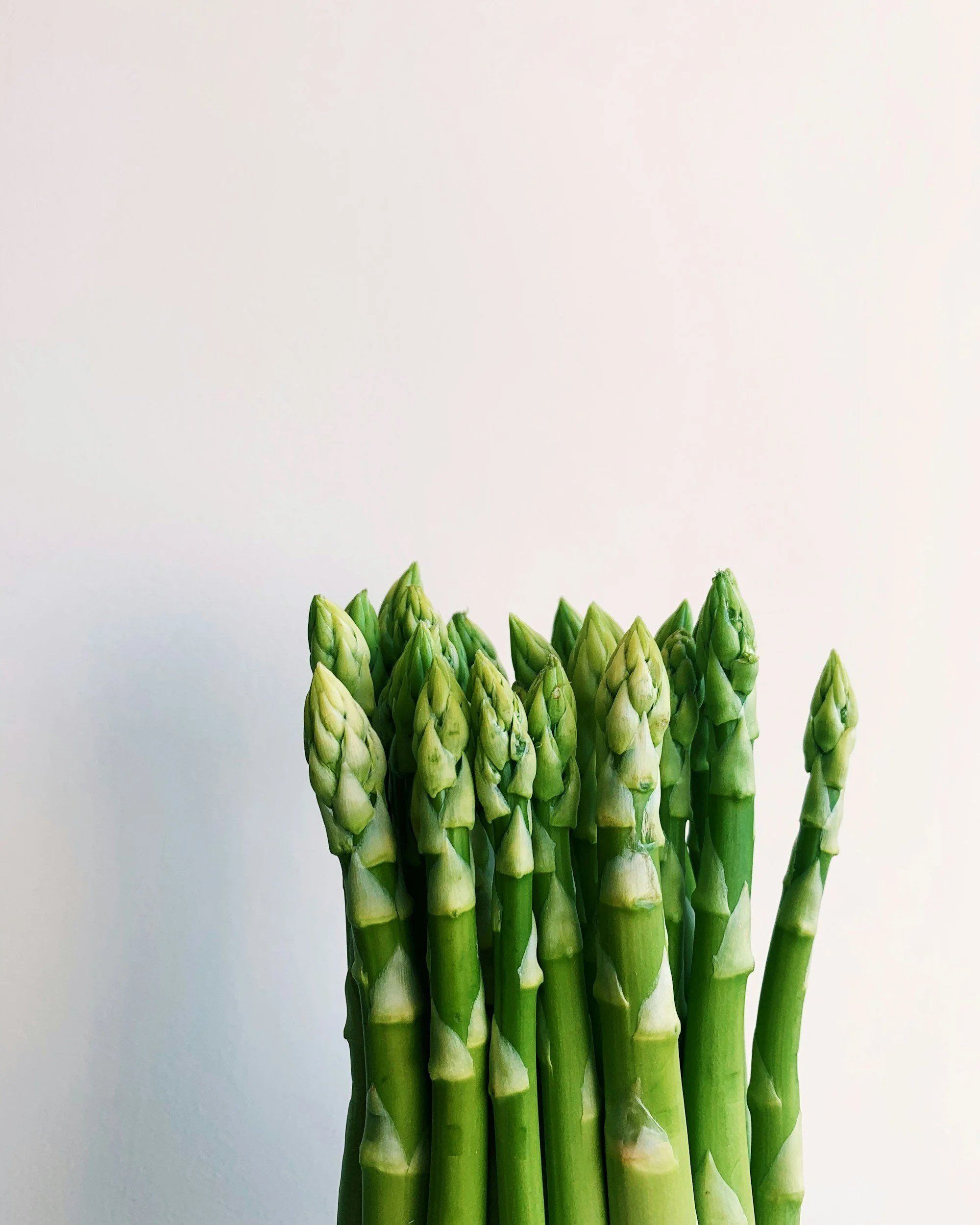
Asparagus: Rich in inulin, a prebiotic fiber that specifically feeds Bifidobacteria.
Artichokes: Offer liver-protective properties alongside prebiotic benefits.
Spring Onions and Green Garlic: These contain high concentrations of fructooligosaccharides, acting as a targeted "fertilizer" for healthy bacteria.
Listening to Your Gut as Self-Awareness
When your gut acts up in the spring, the instinct is to see it as a problem to be fixed. The concept of the "seasonal microbiome" suggests otherwise: these signals are data. Your gut is communicating that it is reorganizing and adapting to new conditions. By supporting this transition with the right habits, you will emerge from spring with a microbiome that is more diverse and resilient than the one you had at the start of winter.