

The perimenopausal body during summer: managing hot flashes, sleep, and energy when the heat arrives
Por Equipo de Redacción | Salud y Bienestar
Hay dos tipos de calor que muchas mujeres de entre 40 y 55 años enfrentan simultáneamente cuando llega el verano. El primero viene de afuera: el sol, la humedad y el aire que pesa. El segundo viene de adentro: ese calor repentino que sube desde el pecho hasta la cara sin avisar. Los sofocos en verano no son simplemente sofocos "más calientes"; son una experiencia cualitativamente diferente porque el cuerpo ya está lidiando con una demanda de regulación térmica mayor de lo normal, y los mecanismos de compensación no tienen el mismo margen de acción cuando la temperatura exterior ya es alta.
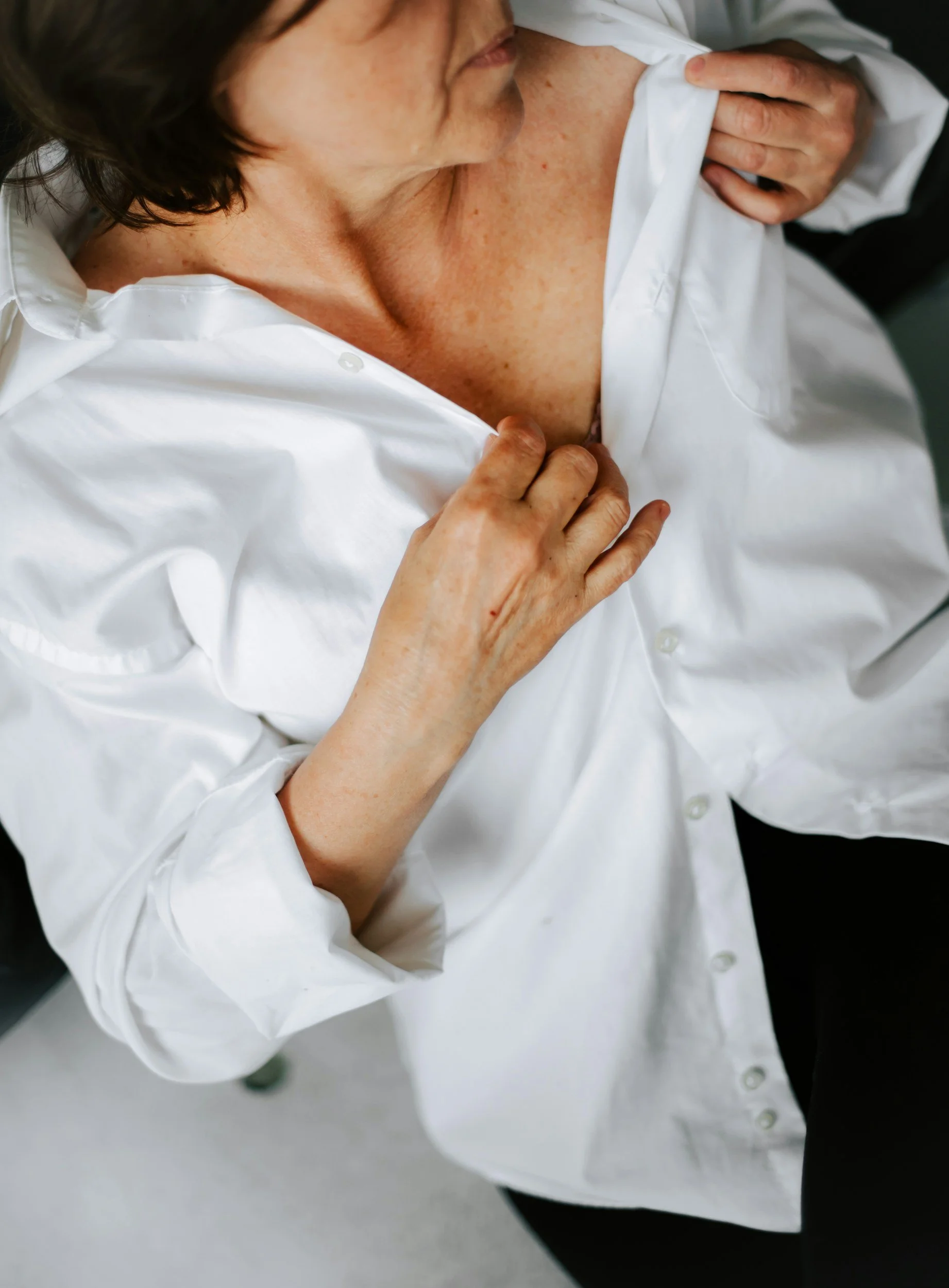
What is happening: the physiology of summer hot flashes
Hot flashes are episodes of sudden peripheral vasodilation triggered by the brain in response to a temperature signal that doesn't always actually exist. During perimenopause, fluctuating estrogen levels affect the hypothalamus, which acts as the body's thermostat.
This destabilized thermostat develops a reduced "thermoneutral zone"—the temperature range in which the body feels comfortable without activating cooling mechanisms. While a woman without hormonal fluctuations may have a zone spanning several degrees, in perimenopause, it can shrink to less than one degree.
Specific strategies for summer
The inverted layering system: Always have a layer you can remove and carry a portable fan. Wear linen, bamboo, or high-quality cotton, which allows sweat to evaporate more efficiently.
Bedroom temperature management: The ideal sleeping temperature for women in perimenopause is between 65 and 68 degrees Fahrenheit. Bamboo sheets or active cooling fabrics, ranging from $40 to $100, make a real difference in sleep quality.
Active hydration: Drink proactively and consistently, ideally between 2 and 2.5 liters daily during the summer months.
Sleep in summer with perimenopause: a comprehensive strategy
Alcohol is the most common mistake: While it might help you fall asleep, it fragments later sleep cycles and amplifies night sweats.
Late evening exercise: This raises core body temperature and interferes with sleep onset.
The pre-sleep cooling routine: A lukewarm shower 30 to 60 minutes before bed causes a drop in core body temperature that facilitates sleep. Combined with a cool bedroom and breathable sheets, this can significantly reduce nighttime awakenings.
The medical conversation worth having
Menopause Hormone Therapy (MHT) has been rehabilitated by recent evidence as a safe and effective option for many women when prescribed appropriately. It is not the right choice for everyone, but it is also not the dangerous option that many women were taught to fear. If hot flashes, night sweats, and exhaustion are significantly impacting your quality of life, scheduling a consultation specifically about perimenopause management is exactly the conversation you deserve to have.