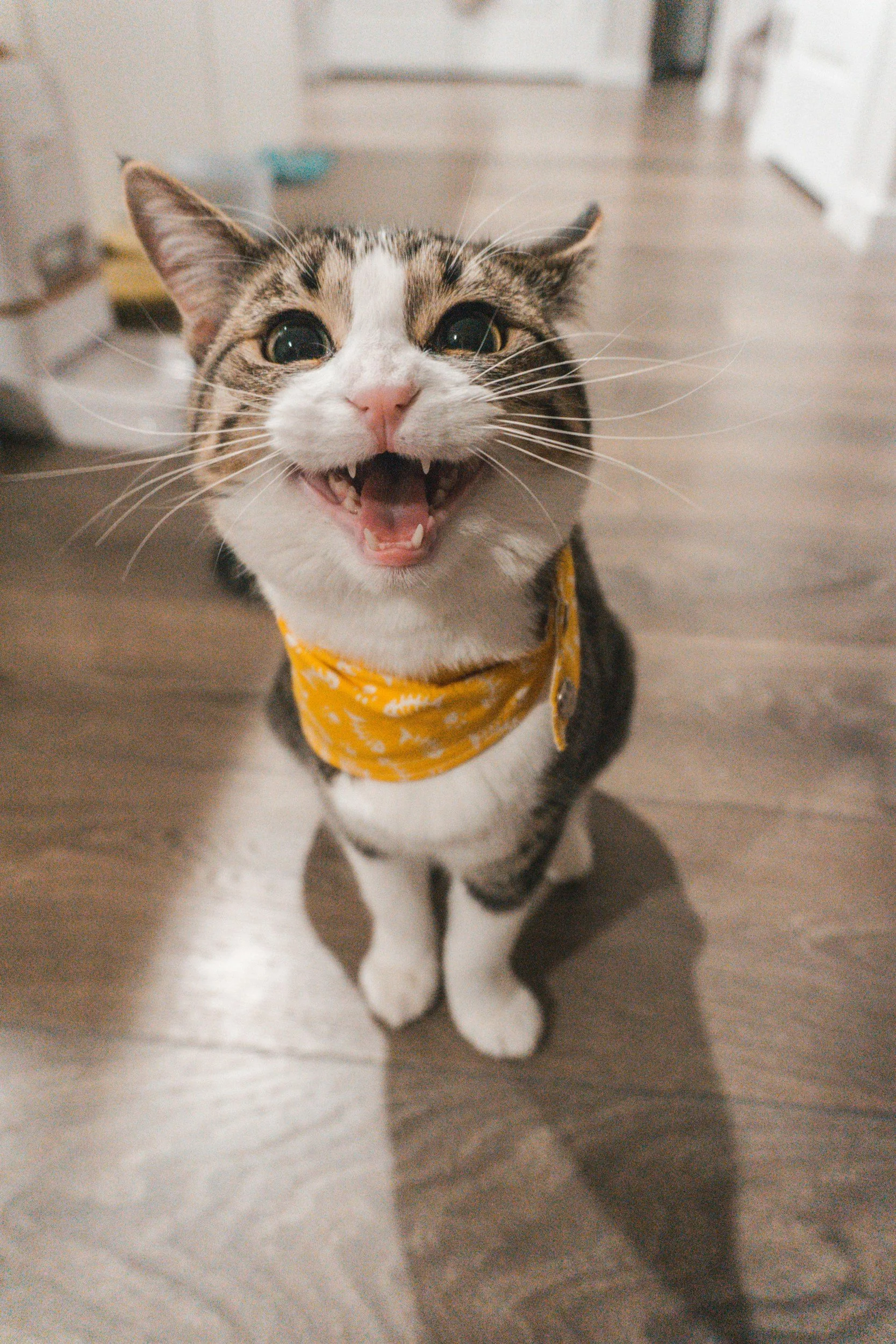

Pet Health in Late Summer: What August Heat Does to Your Dog or Cat and What to Do
When we think about caring for our family during the summer, we often forget that there is another family member quietly suffering from the heat: your dog or cat. August brings the season’s highest and most sustained temperatures, and unlike us, they cannot take off a layer of clothing or ask for a glass of cold water when they need one. Understanding what happens to their bodies during these days is the best way to prevent an emergency.
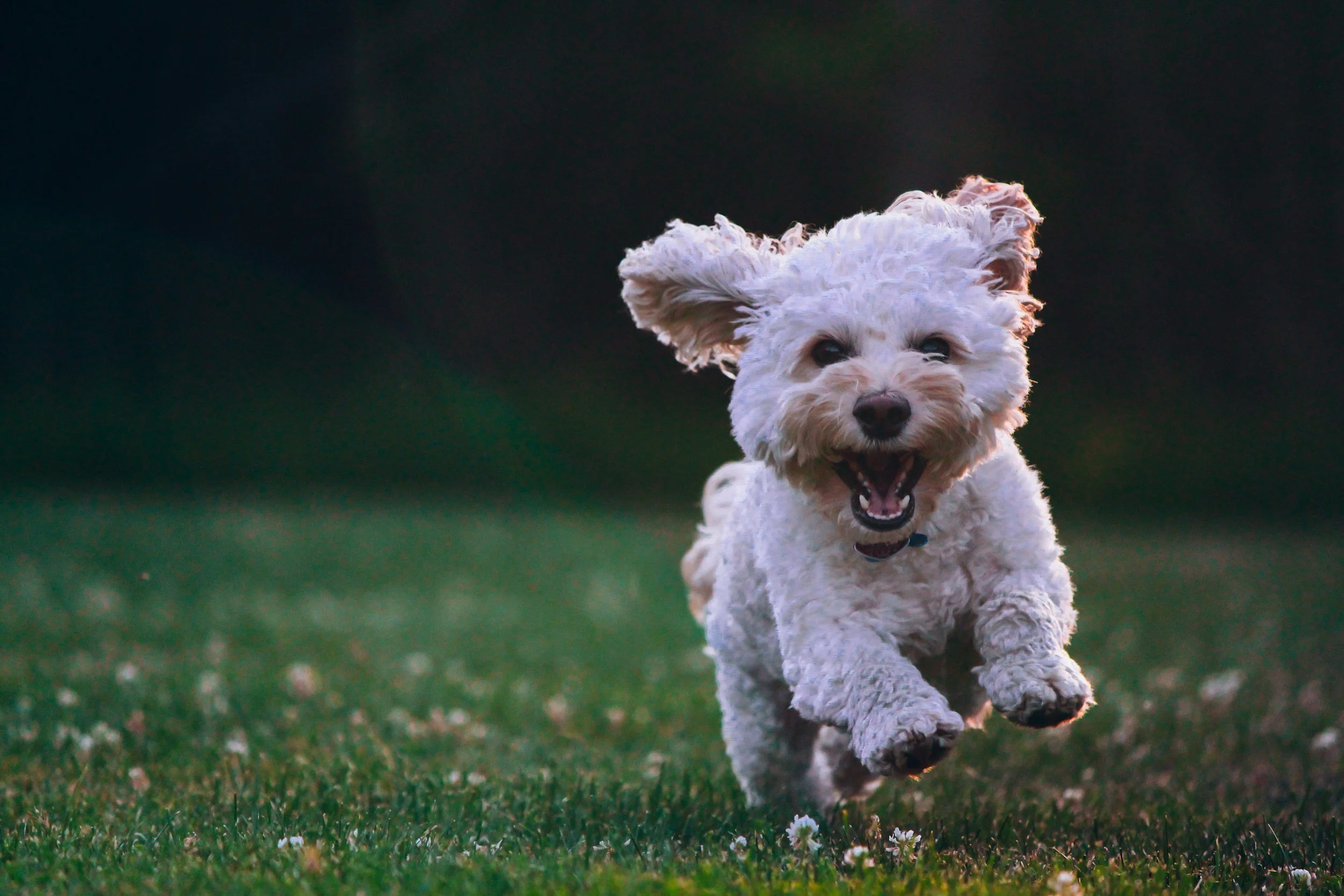
Why Heat Affects Them Differently
Dogs and cats do not sweat the way humans do. Dogs release heat primarily by panting and through the pads of their paws, while cats are even more discreet when regulating their body temperature, making them harder to read when something is wrong. This means that a very hot day requires much more physical effort from them than we realize, especially for short-snouted breeds, older animals, puppies or kittens, and overweight pets.
Signs That the Heat Is Affecting Them
There are signs worth learning to recognize without becoming constantly alarmed. Excessive panting that does not ease even when they are in the shade, very red or pale gums, weakness in the hind legs, thick drooling, or disorientation are indications that the body is becoming overwhelmed and needs immediate help. Heatstroke in pets can progress quickly, so if any of these signs appear, the recommended response is to lower their body temperature with lukewarm, damp cloths (never apply ice directly) and take them to a veterinarian without delay.
Routines That Make a Difference
Adjusting walking times is probably the simplest and most effective change: walking early in the morning or after the sun goes down prevents your dog’s paws from being burned by hot asphalt and reduces the cardiovascular strain of exercising during peak heat. Fresh, plentiful water should be available at all times, and replacing it several times a day can encourage them to drink more. For cats, which often drink less water than they need, adding a circulating water fountain or some wet food can make a real difference in their hydration.
The Home as a Refuge From the Heat
Inside the home, keeping cool, shaded areas available during the hottest hours of the day gives your pets a place to retreat without depending on you being there to notice that they are uncomfortable. Fans can help, although they do not replace air conditioning on extremely hot days, and pets should never be left in a car, not even for a minute: the temperature inside can reach dangerous levels within seconds, even with the windows open.
Taking Care of Them Is Also Taking Care of You
Paying attention to these signs is not overprotectiveness; it is part of the same care we provide to the rest of the family. Your pet cannot tell you that they are hot, but their body is communicating it to you all the time. Learning to read those signals is, ultimately, another way of being present for those who depend on you.