

Feeding Your Kids After They Go Back to School: How to Pack Nutritious Lunchboxes Without Losing Your Mind or Overspending
August arrives, the countdown to back-to-school begins, and with it comes a task that repeats five days a week throughout the entire year: what to put in the lunchbox. Between wanting your children to eat healthy, the lack of extra time in the mornings, and the need to stick to a budget, packing lunches can become a daily source of stress. The good news is that it can be handled simply, without resorting to either guilt or excessive spending.
Start With a Formula, Not a List of Recipes
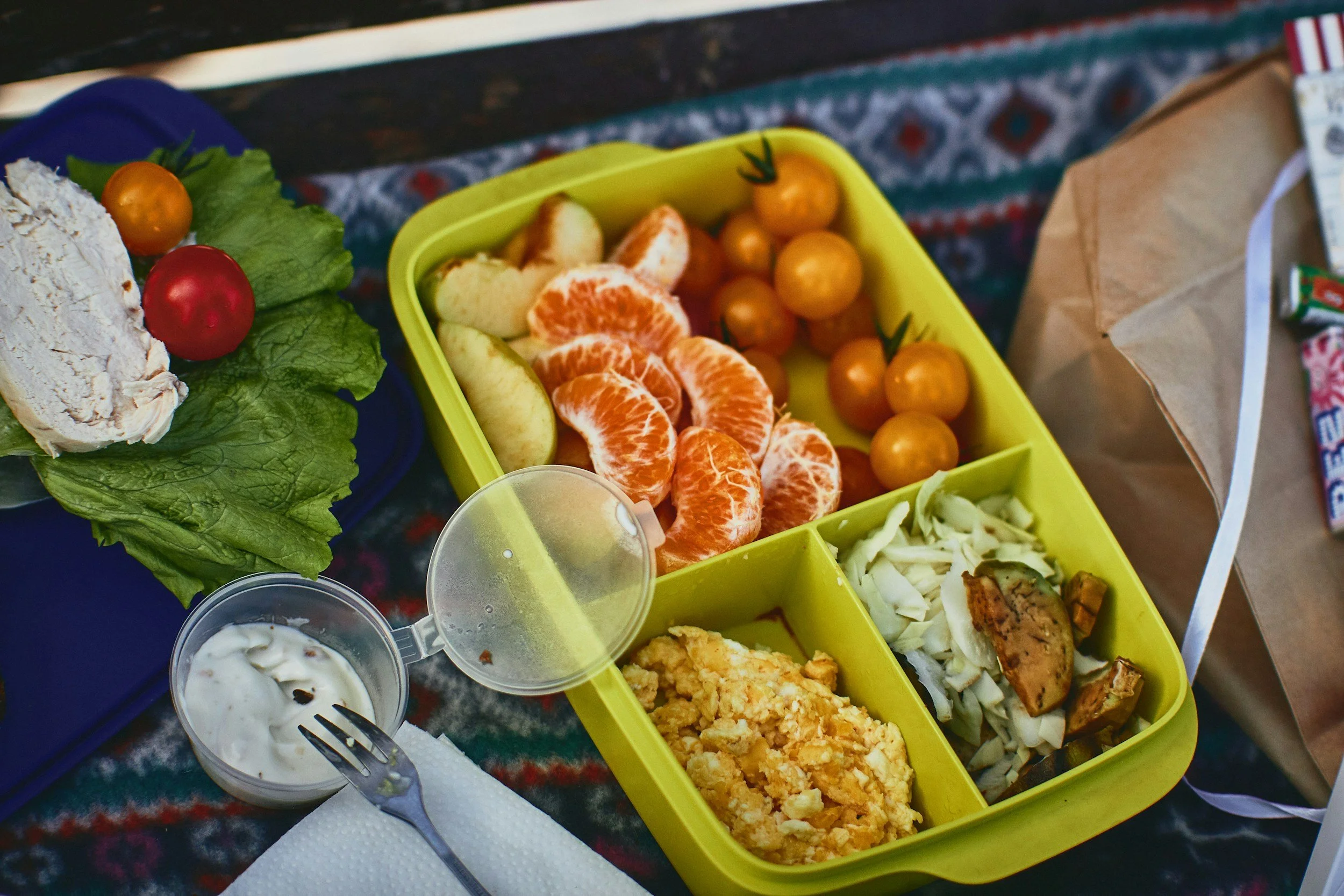
Instead of thinking about different menus every day, it is much more sustainable to think in categories. A balanced lunchbox usually combines a protein, a complex carbohydrate, a fruit or vegetable, and a healthy fat. With that formula in mind, packing a lunchbox becomes an exercise in combining what you already have at home: hard-boiled eggs, cheese, hummus, or shredded chicken as protein; whole-grain bread, rice, or rice cakes as a carbohydrate; seasonal fruit or carrot and cucumber sticks; and a handful of nuts or a tablespoon of peanut butter. Rotating these categories allows kids to eat a varied diet without requiring you to come up with something new every day.
The Budget Matters Too
Eating healthy does not have to mean spending more. Buying seasonal fruits and vegetables, cooking in larger quantities on weekends and dividing them into portions, and choosing more affordable protein sources such as eggs, legumes, or whole chicken instead of processed deli meats can reduce weekly spending without sacrificing quality. Ultra-processed products marketed as “lunchbox-friendly” are often the most expensive per serving and the least nutritious, so avoiding them helps both your wallet and your health.
Getting Them Involved Helps More Than You Think
When kids participate in choosing what goes into their lunchbox, they are more likely to accept it and there is less resistance when it is time to eat. Letting them choose between two or three options within each category, or taking them along to pick out a new fruit at the grocery store or produce market, makes them feel part of the process and reduces that all-too-familiar frustration of opening the lunchbox at the end of the day and finding it untouched.
Preparing Ahead Changes Everything
The biggest enemy of a nutritious lunchbox is not a lack of motivation—it is a lack of time in the morning. Setting aside some time on Sunday to wash and cut fruits and vegetables, portion out nuts, or prepare a protein base for the entire week means mornings can be handled in minutes instead of becoming a race against the clock filled with improvised decisions.
It Doesn’t Have to Be Perfect Every Day
It is worth letting go of the idea of the “perfect” Pinterest lunchbox. What supports your children’s health is not one ideal day, but the sum of reasonable choices made throughout the week. If one day the lunchbox is simpler than you would have liked, it is okay: what matters is the overall pattern, not the exception.