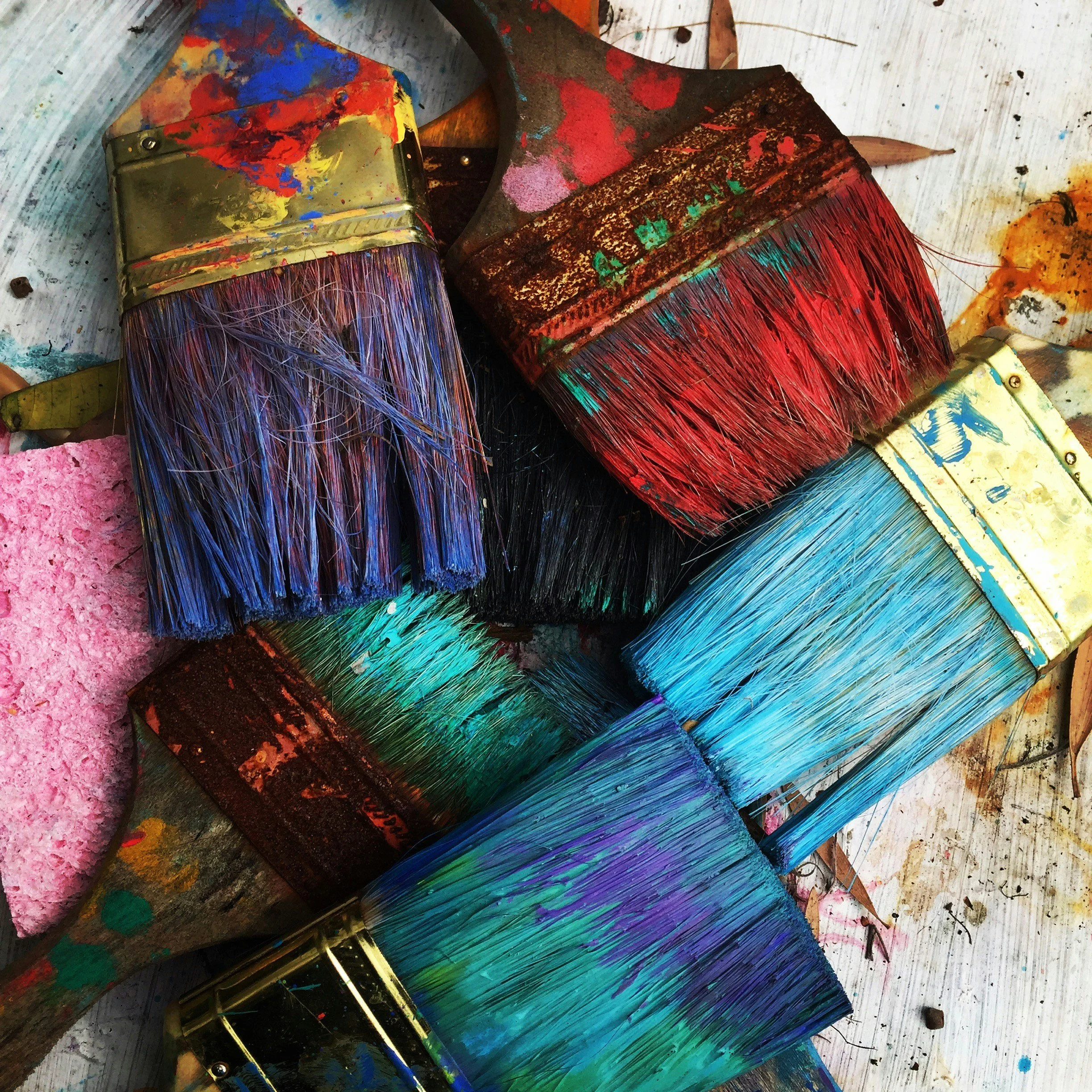

Painting, writing, dancing, or taking photos can have a place in your life even if it never becomes a business. Getting back to a creative activity starts with giving it time and allowing for an uncertain result.
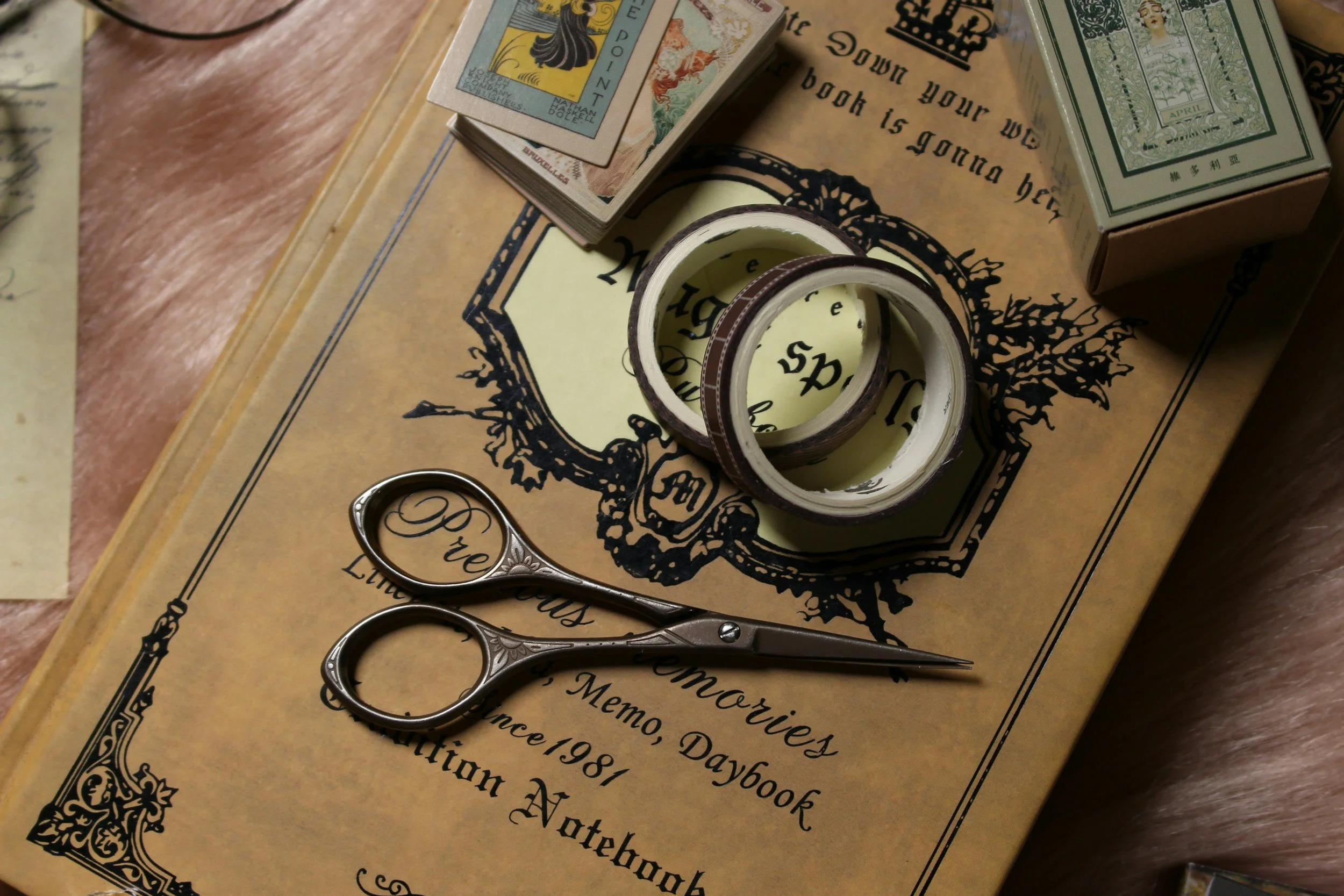
You find a box of watercolors while looking for something else. Or a camera you haven’t used in months. Or that notebook where you wrote three pages before leaving it in a drawer.
For a moment, you feel like going back to it.
Then the questions show up: What for? What could I do with this? Is it worth buying materials? What if I open an account to show it?
You haven’t even started, and the activity already has goals, an audience, and potential income.
Turning a skill into work can be a valuable decision. But you can also keep a creative practice for exploring, playing, or just spending a while doing something that interests you. That possibility deserves a place, especially when so much of your day is organized around tasks that have to produce results.
Going back to what made you curious
Before looking for a class or buying tools, try to remember which part you enjoyed.
Maybe it wasn’t finishing a painting, but mixing colors. Maybe you liked photographing details other people overlooked. Or making up characters while riding the bus.
That detail can help you choose a small, concrete way back.
If what you miss is writing scenes, you don’t need to start a novel. If you enjoyed drawing faces, you can dedicate a page to different profiles. If you liked dancing, it’s enough to pick a few songs and clear a corner.
The first question can be a simple one: what do I feel like trying today?
Setting up a doable session
An activity that requires reorganizing the whole house before you can begin will probably end up postponed.
Find an easy way to start. Leave a notebook near where you rest, keep your materials together, or pick a time that has a clear beginning and end.
Twenty minutes can be enough for a first try, if that time fits into your day. It can also be one afternoon every two weeks. The frequency has to fit your real life.
Decide ahead of time what you’ll do: draw an object from the kitchen, write a short scene, or photograph five textures on a walk. A narrow prompt can make it easier to begin when the blank page feels intimidating.
Sitting with the first result
Going back to an activity usually involves a gap between what we imagine and what we manage to make.
Your hand doesn’t respond the way you remembered. The text sounds stiff. The photo has something interesting, but you can’t quite put your finger on what.
You can observe that result without turning it into a conclusion about your ability.
Ask yourself what you discovered: a color you like, a sentence worth continuing, a light you want to look for again. That observation gives you a direction for next time.
You can also set the work aside and look at it later. Not everything needs an immediate evaluation.
Choosing when to share
Showing what you make can bring conversation, company, and new ideas. It can also change the experience if you start thinking about other people’s reactions before exploring what interests you.
Try deciding after you create.
Maybe you’d like to send a photo to a friend, join a workshop, or keep a private notebook. There are different levels of exposure, and you can move between them.
If you work in social media, design, or communications, it can be especially helpful to separate some practice from the demands of your job: doing something with no deadline, no client, and no need to be published.
Keeping it going with curiosity
When you finish, jot down a next idea. Something small: trying a different framing, changing the ending, using two colors instead of five.
That way, when you come back, there will be a door left ajar.
Over time, you may want to go deeper, learn a technique, or show a series. You can decide that when the desire appears. For now, it’s enough to recover an activity that invites you to pay attention in a different way.
What would you do this week if nobody were going to ask you to prove what it’s good for?