

Culture as a Bridge Between Generations
Movies, songs, and traditions that bring mothers, daughters, and grandmothers closer together
A grandmother recognizes a song she used to listen to when she was young. Her granddaughter hears it for the first time and begins asking questions. Suddenly, a melody turns into a conversation about love, friendships, and memories they've never shared before.
Sometimes, the deepest connections between generations begin just like that: with a movie, a family recipe, or a song that sparks curiosity.
In families where different ages, experiences, and cultures come together, art can become a shared language. And for many Latino families living in the United States, it's also a way to keep their roots alive while creating new traditions.
A Song Can Tell a Family Story
Music has a special ability to connect different moments in our lives.
A mother may remember her teenage years when she hears Juan Gabriel, while her daughter discovers his songs through a playlist or a social media video.
What matters isn't that they feel exactly the same way about the music, but that a song gives them an opportunity to get to know each other from a different perspective.
Perhaps the daughter discovers who her mother was before she became a mother. And the mother realizes that something that shaped her youth can still move a different generation.
Music also allows us to share stories that don't always come up in everyday conversations: what family celebrations were like, which songs played at home, or which artists accompanied important moments.
In this way, a melody can become a small doorway into family memories.
Movies That Help Us Connect Through Conversation
Movies can also bring us closer to experiences that may seem very different from our own.
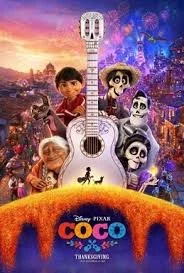
Films such as Disney and Pixar's Coco explore family memory, the importance of remembering loved ones who are no longer with us, and the bonds between generations.
Disney's Encanto, meanwhile, portrays a family in which expectations, secrets, and responsibilities affect grandmothers, mothers, and daughters in different ways.
These stories can open conversations about subjects that are sometimes difficult to address directly.
What do we expect from our children? How well do we really know our parents? Which traditions do we want to preserve, and which ones do we need to transform?
The idea isn't to turn every movie into a family lesson, but to allow its characters to help us recognize emotions and experiences from our own lives.
Sometimes, talking about a fictional story is easier than beginning with our own.
Recipes Preserve Much More Than Flavors
In many Latino families, cooking holds a special place in passing down traditions.
Learning to make arepas, empanadas, mole, or a dish that has always been part of family celebrations can become a meaningful shared experience.
But the true value of these moments isn't simply in recreating a recipe.
As we cook, stories begin to emerge: who used to prepare that dish, when it was served, or which ingredients were difficult to find when the family first arrived in the United States.
Recipes change, too. Sometimes we substitute ingredients, adapt preparations, or incorporate new customs.
Rather than meaning a tradition is being lost, these changes show how culture continues to be part of our lives.
Growing Up Between Two Cultures Can Bring Us Together, Too
Generational differences can become especially visible in immigrant families.
A grandmother may hold on to customs deeply connected to her country of origin. A mother has learned to navigate two cultures. And a daughter who grew up in the United States may relate to her roots in a different way.
Disagreements about language, celebrations, or how certain traditions should be understood are natural.
But those differences can also become opportunities to learn from one another.
Older generations pass down memories and experiences. Younger generations bring new perspectives and ways of interpreting cultural identity.
Connection doesn't require us all to think alike. It requires curiosity, respect, and a willingness to listen to one another.
Creating New Memories Is Also a Way of Preserving Our Roots
Sometimes, we think preserving a tradition means repeating it exactly as we learned it.
But families change, and their customs can change, too.
Perhaps a celebration begins to include dishes from different countries, a grandmother learns a song her granddaughter loves, or a mother discovers a movie she never would have chosen on her own.
These moments don't replace family history. They add new chapters to it.
And they can help us understand that culture isn't only something we inherit. It's also something we create together.
Because the most beautiful bridge between generations isn't about making everyone live the same way. It's about finding spaces where our stories can be heard, come together, and continue to grow.