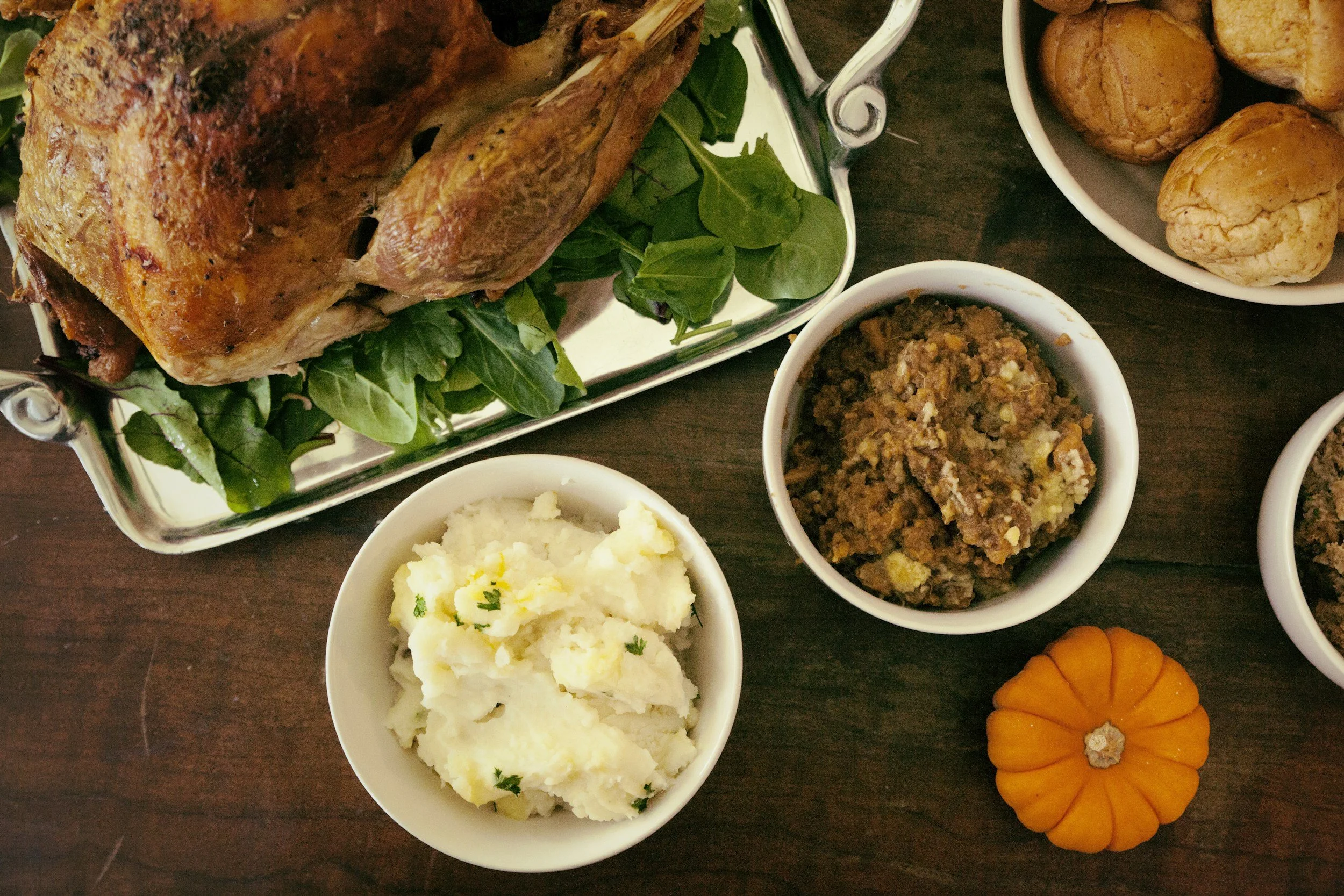

A recipe that traveled with you, an unexpected invitation, and a table where languages mix. Celebrating in another country can also be a chance to decide which traditions you want to make your own.
In the group chat, someone asks who’s bringing dessert. One friend suggests making turkey; another offers to bring tamales. You think about that recipe that shows up in your family every time there’s something to celebrate. It’s not American at all, but you know it will find its place at the table.
Then a question comes up that seems small and isn’t: how do you celebrate a tradition that wasn’t part of your life before you moved?
Maybe this is your first Thanksgiving. Maybe you’ve been celebrating it for so many years that you already have a serving dish set aside for that night. Or maybe November still finds you looking at the date from the outside, without feeling much enthusiasm.
You can approach the celebration from any of those places. A tradition starts to feel like your own when there’s room to take part with your story.
What would you like to celebrate?
Before thinking about the menu, it’s worth pausing on something simpler: what meaning do you want to give the gathering?
It can be a chance to bring together the friends who were there for you during the year. To get to know your neighbors better. To thank the person who looked after your kids when you needed to deal with something unexpected. Or simply to share a meal without watching the clock.
Having an intention helps you make decisions. If what matters most to you is conversation, it may be worth preparing something you can finish ahead of time. If you want to bring together people who haven’t met yet, a small table can make that easier.
The celebration begins well before the food is served: it begins when you choose how you want to host and how you’d like to feel.
Your recipe has a place, too
Sometimes, when you take part in a new custom, you worry about doing everything “the right way.” Finding the right dish, buying the right decorations, figuring out when to say what.
But you can also bring something you know how to make and feel like sharing.
Some empanadas can start a conversation about family gatherings. A rice dish prepared a certain way can spark an affectionate debate about who cooks it best. A dessert can bring back the memory of someone who’s far away.
If the recipe has a story, tell it. Who taught it to you? Which ingredient did you swap because you couldn’t find it? On what occasion did they make it?
And if cooking isn’t your thing, you can bring music, help organize, or take care of cleanup. There are many ways to contribute to a table.
Giving thanks without having to act happy
The invitation to give thanks can feel warm. It can also be uncomfortable when the year was hard or when there are personal matters you’d rather keep to yourself.
If you’re organizing the gathering, leave participation open: “Anyone who’d like to can share something they valued this year.” That small sentence keeps the moment from turning into a mandatory round.
Someone will be thankful for a new job. Someone else will talk about a friendship. And some will prefer to listen.
Different feelings can also coexist. You can be grateful for the life you’ve built and miss your home intensely. Enjoy your current bonds and feel an absence. You don’t need to resolve those contradictions before sitting down to eat.
A table where everyone can join the conversation
When languages mix, some people get left out of the exchanges without anyone noticing. The conversation moves along, jokes fly, and someone smiles even though they’ve lost the thread.
You can help with simple gestures: explaining what everyone’s talking about, translating a short anecdote, or asking which language the other person feels most comfortable in.
With the kids, avoid turning every word into a Spanish test. Sharing a song, telling a funny story, or naming the ingredients of a dish can create a more natural connection.
Belonging is built this way, too: by being able to take part without feeling there’s a right answer.
Leaving something for next year
When it’s over, you may find that the best part was something nobody had planned: the lingering conversation at the table, a walk, a song that got everyone dancing.
Ask what they’d like to repeat. That’s where a tradition of your own can begin.
Maybe your Thanksgiving will end up having turkey, flan, two languages, and a video call. Maybe it will change every year, depending on who can come and what they need at that moment.
If this table could tell your story, what would have to be on it?