

There are anecdotes we’ve heard so many times that we think we know them completely. Others never found a question. Preserving those voices can begin with a short conversation and a willingness to hear something unexpected.
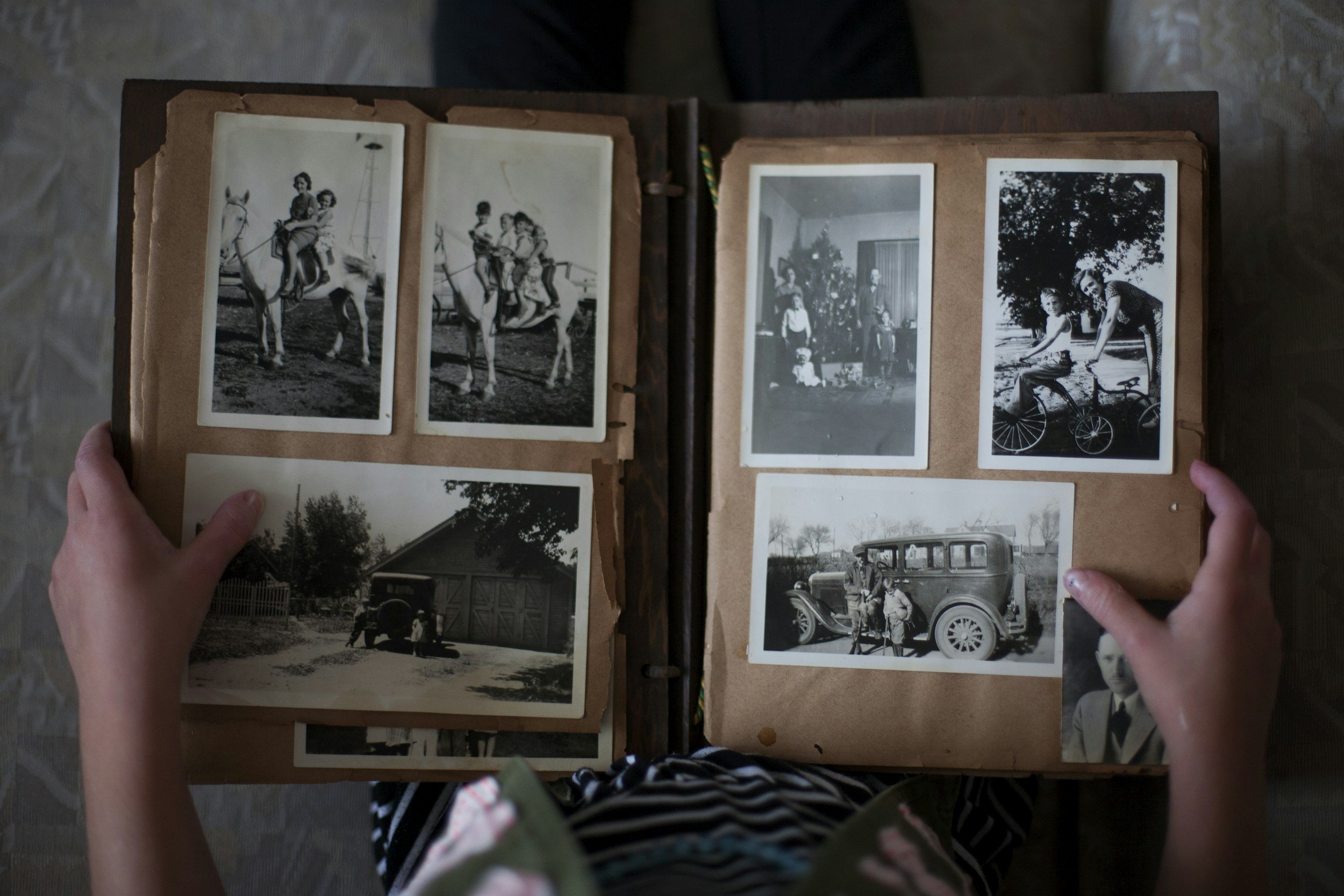
At every gathering, the same story comes up.
Someone tells how that trip went, who got lost, what an aunt said, and why they ended up arriving at dawn. The others correct details, laugh before the ending, and add a scene or two.
It seems impossible to forget.
And yet, one day you try to tell it and realize you’re missing names, places, or an important part. You know it was funny, but you no longer remember exactly why.
Family stories tend to live in scattered conversations. Recording them can help us hold on to voices and experiences that are part of our lives. To begin, it’s enough to choose a person, a moment, and a question you feel like asking.
Asking about a scene
“Tell me your life story” can be too broad.
A specific question gives you a place to start: What was the house you grew up in like? What did you do when you got home from school? What did you buy with your first paycheck? Who taught you your trade?
Then, follow the details that come up.
If someone mentions a store, ask what it was like. If they talk about a friendship, ask how they met. Everyday memories can reveal a lot about an era without having to build a solemn narrative.
Avoid rushing to the next question. Sometimes the most interesting part comes after a pause.
Hearing something different from what you expected
Maybe you want to recover a cheerful anecdote and the conversation takes another turn. Or you discover that someone remembers something differently from the way your family has always told it.
You can make room for that version without immediately deciding which one is the definitive one.
If you want to put together a family story, distinguish what someone remembers from what you were able to confirm with documents, photographs, or dates. A phrase like “she remembers it this way” preserves the person’s voice and makes their perspective clear.
You can also keep several versions. The differences say something about how each person experienced the same situation.
Asking permission before recording
Before you turn on your phone, explain what you want to do with the audio or video.
Will it be just for you? Will you share it with relatives? Are you thinking of publishing it? These are different uses, and it’s best to agree on them.
The person may want to talk without being recorded, stop at some point, or ask that a part not be kept. Respecting those decisions is part of taking care of the story.
If the recording includes information about other people, take special care in deciding what you’ll share. A family conversation can contain details that weren’t meant to circulate.
Creating a simple record
You don’t need professional equipment.
Find a quiet spot, bring the phone close enough, and do a short test to make sure it sounds good. If there are several people, try to keep everyone from talking at once.
When you finish, give the file a name that makes it findable: person, topic, and date. Add a note with the names and places mentioned, especially if they might be unfamiliar to those who listen later on.
Keep an additional copy in a separate place. The recording is more likely to stay with the family if it doesn’t depend on a single phone.
Including those who tend to be left out
Some people tell stories easily and take up much of the gatherings. Others speak less, even though they have a lot to share.
You can invite them to talk one-on-one, ask them about a topic they know well, or let them answer in writing.
It’s also worth looking beyond the big events. Someone who kept a household running, cared for relatives, or ran an everyday business has experiences worth hearing.
Asking how things were organized, what they liked, or what they would have wanted to do can reveal a side we’d never considered.
Giving the story back
After editing an audio file, writing a short profile, or putting together a small album, share it with the person who took part, if possible.
They may want to correct a name, add something, or remove a part. That review helps the result respect what they wanted to tell.
You can begin this November with a single conversation of just a few minutes. In time, other voices will find their place.
What would you like to ask someone in your family today, while you all still have the chance to sit down and talk?