
Pets in Latino Culture: Why Our Relationship with Animals Is Changing Across Generations and What It Says About Us
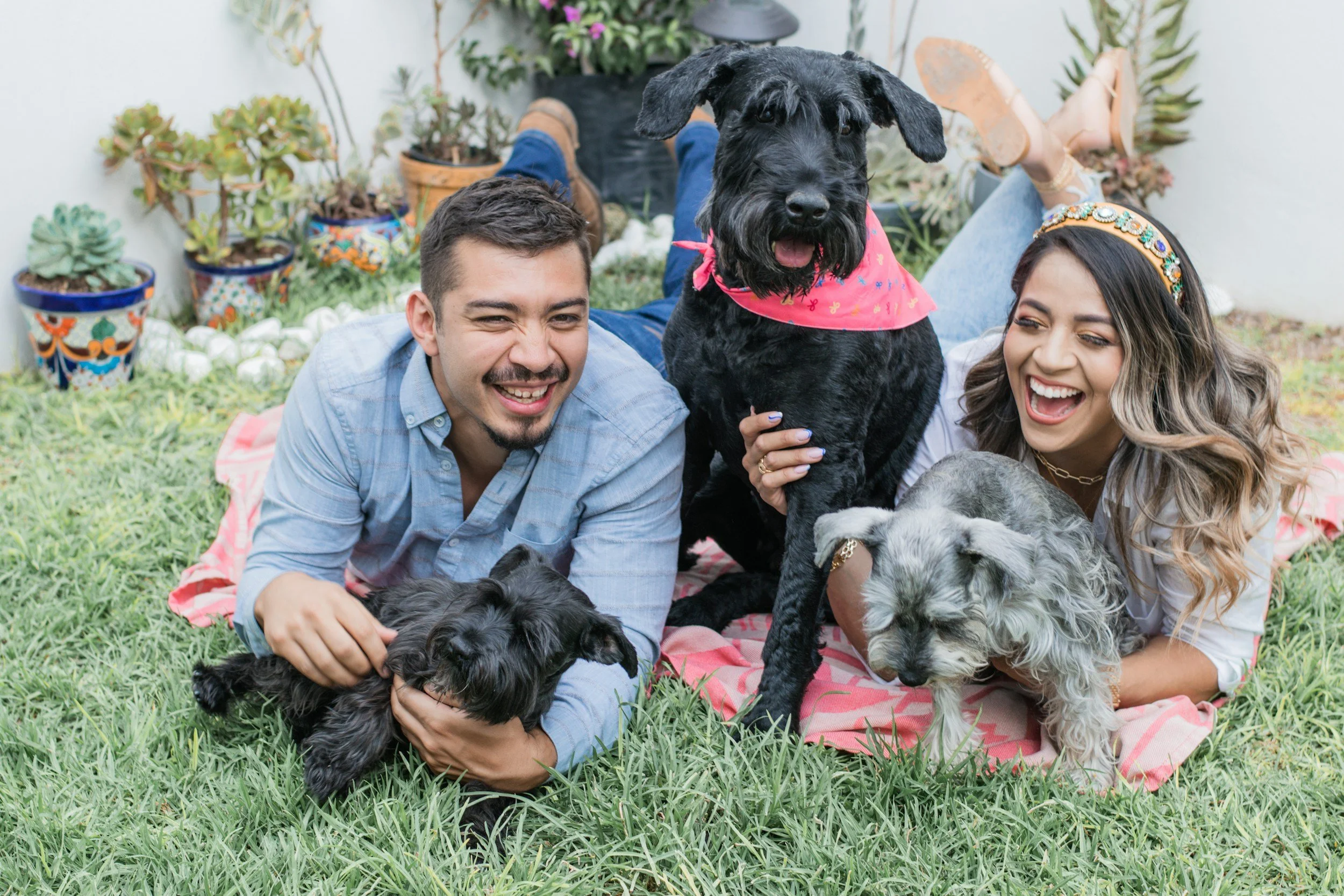
If you compare how your grandparents’ generation related to domestic animals with how your own family relates to them today, the difference is striking. What was once, in many Latino families, an animal that served a specific function—guarding the house, controlling pests—is now, for a large part of a new generation, another member of the family, with a name, its own bed, and even health insurance. This shift says a great deal about how Latino family culture is evolving as a whole.
From Function to Emotional Bond
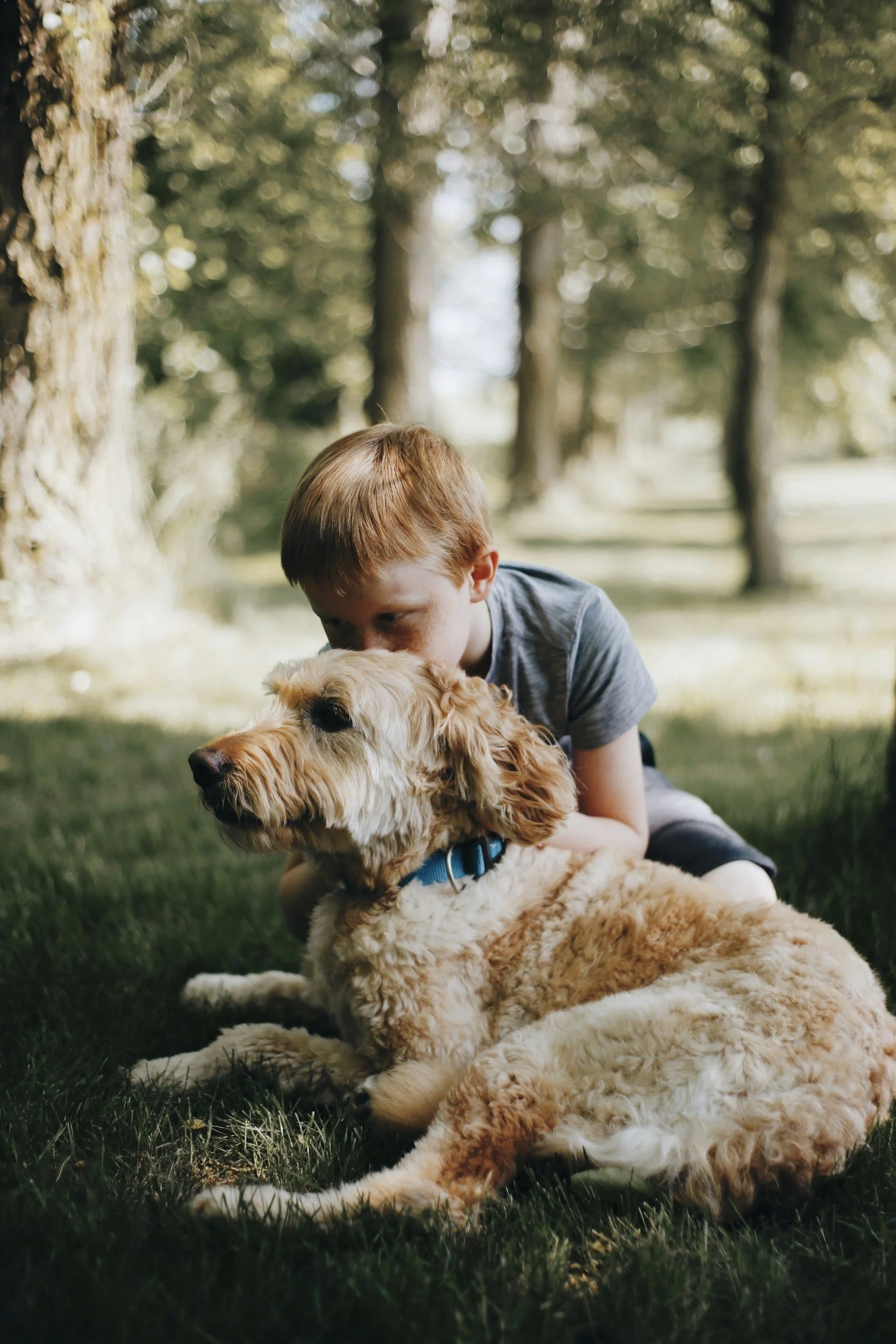
In many Latino families of previous generations, domestic animals, especially dogs, served practical roles: protecting property, accompanying people in the countryside, and keeping pests away. Emotional bonds certainly existed, but they were rarely expressed using the same explicit language of affection that is common today. The shift toward seeing pets as full-fledged members of the family reflects a broader transformation in how this generation understands and expresses emotional bonds in general.
Migration and the Changing Role of Pets
For many Latino families who migrated to the United States, pets took on a particular emotional role without anyone intending them to: in a context of displacement, far from extended family and traditional support networks, having an animal at home became a source of companionship and emotional stability that was especially meaningful. This context helps explain why the bond with pets has become so much stronger within Latino communities abroad.
A Generation That Raised Children Differently Also Raises Pets Differently
Latino mothers and fathers who are raising children in the United States today, many of whom grew up with a more functional relationship toward animals, are raising their own children with a much closer and more affectionate relationship with pets. This generational shift is not happening in isolation; it goes hand in hand with a broader and different way of understanding parenting, emotional expression, and caregiving within the family as a whole.
The Economic Cost of This Cultural Shift
This new relationship also has a real economic dimension: more comprehensive veterinary care, higher-quality food, and pet health insurance are expenses that previous generations rarely considered and that many Latino families today incorporate as a normal part of the household budget, reflecting just how much an animal’s status within the family has changed.
Intergenerational Tensions Around the Issue
Not every family experiences this shift without friction. It is common for grandparents or older generations to view the level of emotional and financial investment younger generations place in their pets with surprise, or even some criticism. This creates an interesting cultural tension between two different understandings of the role an animal should occupy in family life.
A Reflection of How the Latino Family Is Changing
Beyond pets themselves, this shift serves as a revealing reflection of broader transformations within the contemporary Latino family: a greater openness to expressing affection openly, a more flexible definition of family that includes those who are part of it beyond blood ties, and a different relationship with caregiving in general—one that is no longer limited exclusively to people.