

Motherhood in Art: How Motherhood Transformed the Work of Some of Latin America’s Most Important Female Artists
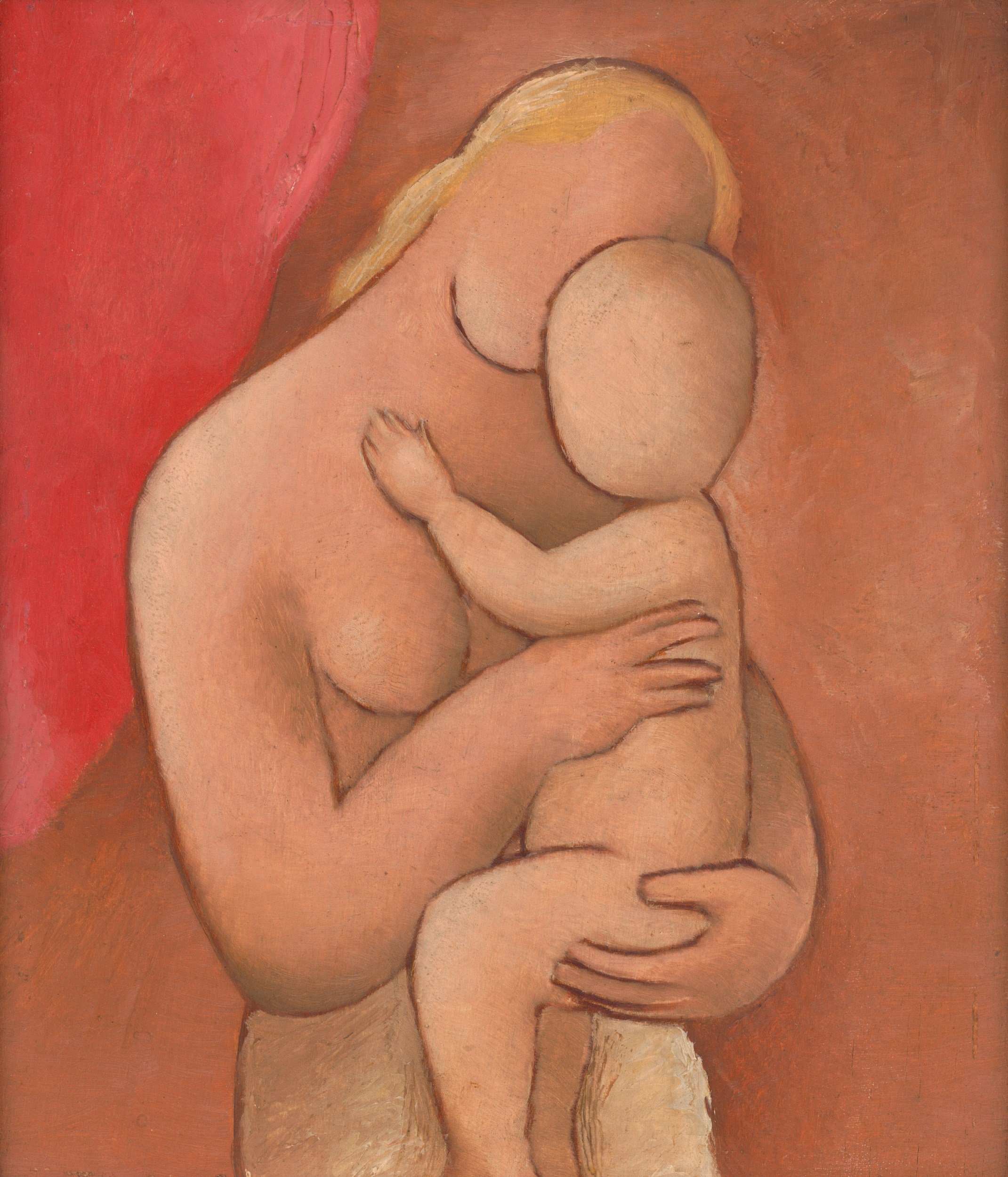
For a long time, art created by mothers was automatically categorized as “domestic” or lesser art, as if motherhood were a subject too intimate to have serious artistic relevance. That perspective is changing, and there is growing recognition of how the experience of motherhood transformed, deepened, and expanded the work of many of Latin America’s most important female artists.
A Historically Undervalued Subject
Traditional art criticism, shaped largely through a male perspective, tended to place greater value on subjects considered “universal” or “transcendent,” relegating motherhood to a secondary position, as though it were too particular or private to carry the same weight as other artistic subjects. That hierarchy is increasingly being questioned as more curators and critics revisit the artistic canon through a different lens.
Motherhood as a Territory for Exploration, Not Just a Subject
For many Latin American women artists, motherhood does not appear merely as a subject represented in their work, but as an experience that transformed the very way they created: their working schedules, the materials they chose, and their relationship with their own bodies as creative territory. Becoming a mother changed, for many artists, not only what they told but how they told it.
Maternal Bodies as Artistic Territory
One of the most powerful threads in contemporary Latin American art created by mothers is the representation of the maternal body in all its complexity, without idealizing or concealing it: the exhaustion, the physical changes, and the ambivalence that can coexist with a profound love for a child. This visual and narrative honesty challenges more traditional and idealized representations of motherhood in art.
Finding Time and Space to Create as a Mother
Beyond the content of the work itself, there is also a less visible story about the material conditions in which these artists created their work: finding time to create amid the demands of caregiving, often without the support networks or institutional recognition their male counterparts received. This tension between creative vocation and the demands of caregiving is, in itself, part of the story these works tell.
A New Generation Claiming Its Place
Contemporary Latin American artists who are mothers are more strongly claiming than ever a place where motherhood is not seen as an interruption to an artistic career, but as a legitimate source of creative exploration, just as valid as any other subject or life experience an artist chooses to place at the center of her work.
Rethinking the Canon Through a More Complete Lens
Recognizing the artistic significance of work created from the experience of motherhood is not only about doing justice to those individual artists; it is also about expanding the very definition of what subjects deserve to be considered serious art. This reconsideration of the artistic canon, still underway, promises to continue revealing works and artists that the traditional perspective unfairly left in the background.