
Creativity Doesn't Retire
The joy of discovering new ways to express ourselves after 50
When was the last time you did something simply for the pleasure of doing it? Without thinking about the outcome, wondering whether you were good at it, or feeling that you had to turn it into something useful.
Maybe it was when you were a little girl, spending hours drawing, making up stories, or singing without worrying about hitting the right notes. Somewhere along the way, between responsibilities, work, and family life, many of us left those activities behind.
But creativity doesn't disappear with age. Sometimes, it's simply waiting for us to make room for it again.
And rediscovering it after 50 can become one of the most rewarding experiences of this stage of life.
You Don't Have to Be Talented to Be Creative
There's a widespread belief that creativity belongs to artists, writers, musicians, or people born with a special gift.
But creativity is a much broader human ability.
It shows up when we combine ingredients in a new way, rearrange a room, invent a story for our grandchildren, or find an unexpected solution to an everyday problem.
Creativity doesn't always result in a work of art. Sometimes, it simply allows us to see familiar things from a different perspective.
That's why taking up painting, writing, dancing, or learning an instrument doesn't require any extraordinary talent.
The real discovery may lie in allowing ourselves to experiment without judgment.
Rediscovering Play in a Life Full of Responsibilities
For much of our adult lives, our activities are focused on achieving a goal: working, caring for others, solving problems, organizing, and fulfilling commitments.
Even our free time can become another to-do list.
Creativity offers something different: the possibility of doing something without necessarily needing it to lead to a particular result.
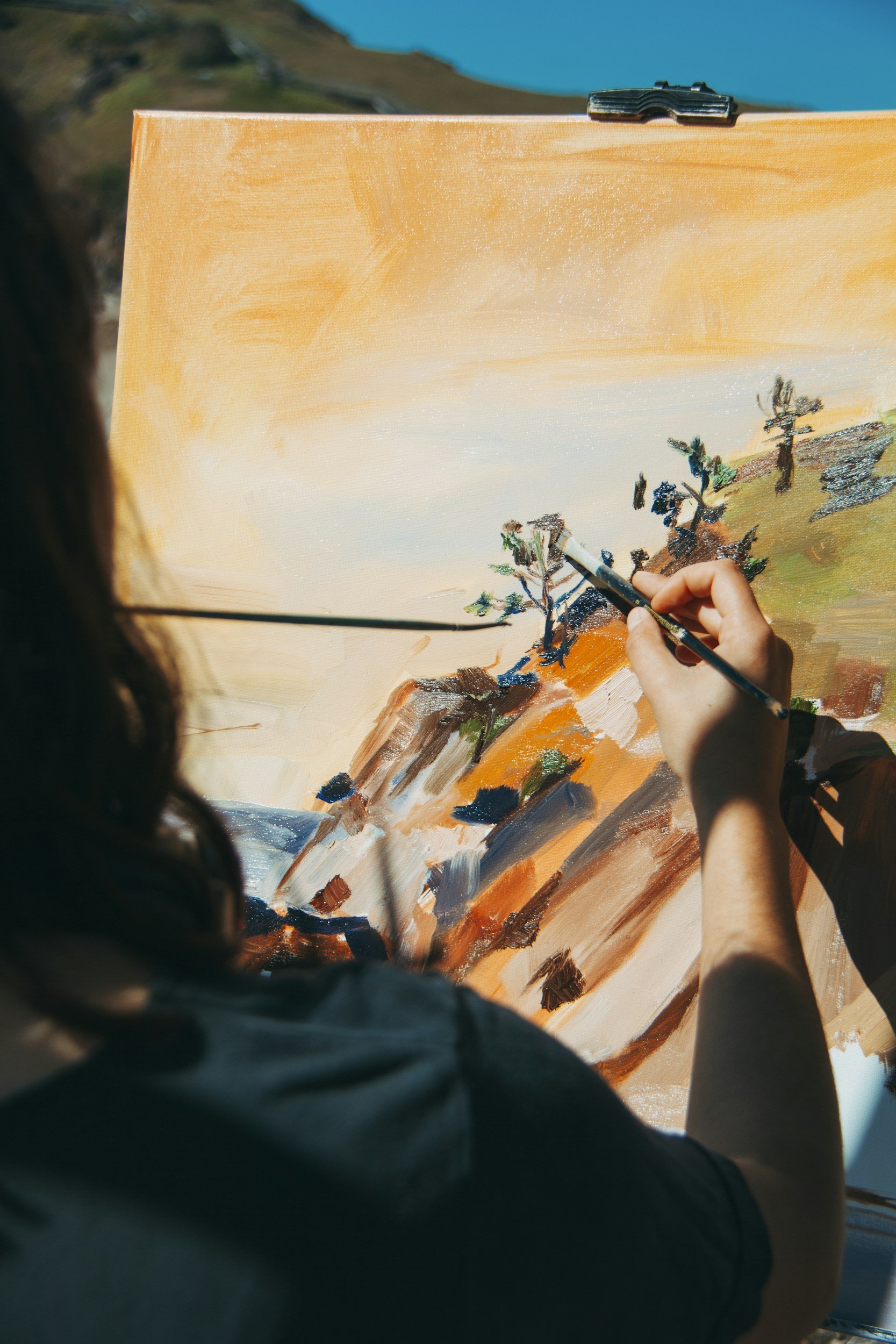
Choosing colors, shaping clay, writing a few lines, or trying a new melody invites us to explore, make mistakes, and begin again.
It's a way of rediscovering play, an experience we often associate with childhood but one that remains valuable throughout our lives.
And perhaps the most liberating discovery is realizing that we don't have to do everything well.
We can enjoy something even if we never master it.
Creating Can Also Help Us Understand Our Feelings
Some emotions are difficult to put into words.
Sometimes we know we're going through a change, a loss, or a period of uncertainty, but we can't find a clear way to express what's happening.
Creative activities can offer us a space to explore those experiences.
Journaling, painting without a specific image in mind, or working with our hands can help us pay attention to our thoughts and feelings.
Various studies have explored the potential benefits of artistic participation for emotional well-being, although the effects vary depending on the activity and the individual.
This doesn't mean presenting creativity as a solution to all our problems or as a replacement for professional care when it's needed.
Its value also lies in something simpler: giving ourselves a moment to feel, explore, and express who we are.
After 50, Life Experience Becomes a Source of Inspiration
There's an interesting contradiction in the way we think about creativity.
We admire the experience and wisdom that come with age, yet we often associate innovation and discovery with youth.
But living longer also means accumulating memories, lessons, questions, and different perspectives.
A woman who begins writing at 60 isn't starting from zero. She carries decades of stories, conversations, travels, relationships, and experiences.
The same is true for someone who discovers photography, theater, or pottery.
She doesn't need to make up for lost time. She can begin exactly where she is today.
And that freedom to choose something new, without having to prove anything, can be especially meaningful.
A Doorway to New Connections
Creativity can also become a way to connect with others.
A painting workshop, a community choir, a writing group, or a dance class can offer opportunities to meet people with shared interests.
For many women navigating changes in their families, careers, or personal lives, these spaces can help build new routines and relationships.
But there's no need to sign up for a formal activity.
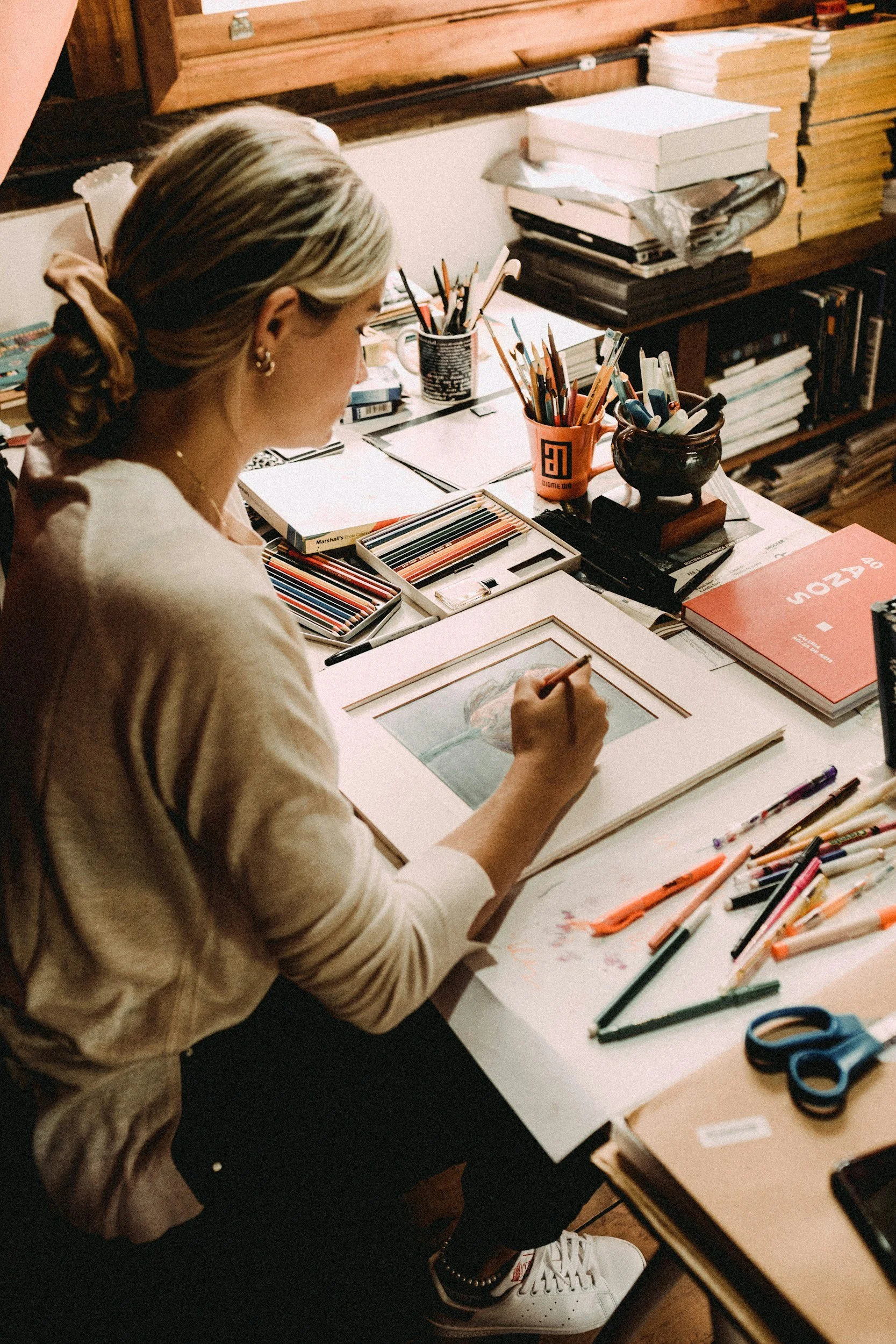
We can also begin at home, with a notebook, a camera, a few simple materials, or a song we've always wanted to learn.
What matters isn't how much we do, but allowing ourselves to begin.
It's Never Too Late to Discover Another Side of Ourselves
Perhaps for years we've defined ourselves primarily through our jobs, our families, or the responsibilities we've taken on.
Creativity invites us to ask a different question: What would I like to explore if I didn't have to be good at it?
We don't need to turn every hobby into a business, share our creations on social media, or seek anyone's approval.
Sometimes, the greatest gift of a creative activity is that it belongs entirely to us.
Because creativity has no expiration date. And discovering a new passion after 50 doesn't mean starting late. It means continuing to give ourselves the opportunity to be surprised by everything we can still become.