
Why Are We So Fascinated by Stories About Imperfect Women?
Female leads who make mistakes, contradict themselves, and find the courage to start over
For decades, female protagonists were expected to be admirable. Self-sacrificing mothers, flawless professionals, understanding wives, or strong women capable of handling everything without falling apart.
But some of today's most compelling television stories offer us exactly the opposite: women who are selfish, insecure, ambitious, contradictory, and sometimes difficult to love.
And perhaps that's precisely why we find them so fascinating.
Series like Hacks, Fleabag, The Bear, and Nobody Wants This show that a female lead doesn't have to be a role model to become an unforgettable character.
Deborah Vance: Talent Doesn't Make Us Good People
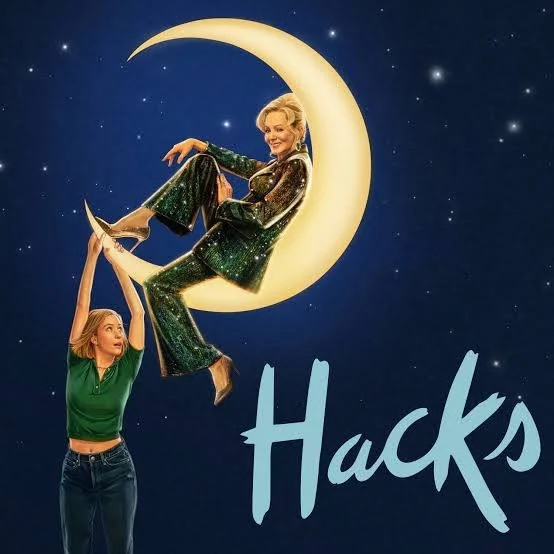
In Hacks, whose fifth and final season concluded in May 2026, Jean Smart plays Deborah Vance, a legendary Las Vegas comedian obsessed with staying relevant.
Deborah is brilliant, hardworking, and extraordinarily funny. She can also be cruel, manipulative, and deeply proud.
Her relationship with Ava Daniels, played by Hannah Einbinder, is marked by clashes, betrayals, and a mutual admiration that neither woman finds easy to express.
What's interesting is that the series doesn't try to justify all of Deborah's behavior.
She can make us laugh and, just minutes later, make us recoil. Her talent doesn't erase her flaws, and her flaws don't diminish her accomplishments.
She's a complex woman, not a morality lesson.
Fleabag: Laughing When Everything Hurts
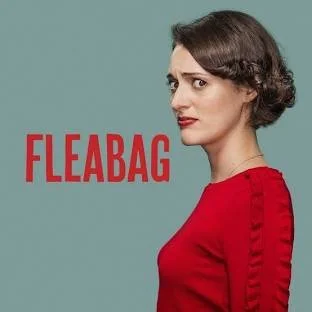
Few protagonists capture human contradiction better than Fleabag, the character created and portrayed by Phoebe Waller-Bridge.
The British series, which premiered in 2016, follows a woman who uses humor, sex, and sarcasm to avoid confronting her pain.
Fleabag makes bad decisions, hurts people she loves, and sabotages her own relationships.
Yet beneath her seemingly carefree attitude, we find guilt, loneliness, and a profound difficulty accepting her own vulnerability.
Her habit of looking directly into the camera makes us accomplices to the feelings and thoughts she doesn't dare share with anyone else.
We don't love her because she always does the right thing. She moves us because we recognize something deeply human in her contradictions.
Sydney and Donna: Two Ways of Experiencing Pressure
In The Bear, Sydney Adamu, played by Ayo Edebiri, is a talented and ambitious chef trying to build her career in an intensely demanding environment.
Sydney can be insecure, impatient, and perfectionistic. She wants to prove herself, but she's also afraid of making mistakes.
At the other end of the emotional spectrum is Donna Berzatto, played by Jamie Lee Curtis, a mother whose relationship with her children is shaped by conflict, pain, and difficult behavior.
Both characters reveal something many fictional stories tend to avoid: women can be complicated without automatically being portrayed as villains.
Understanding a character's emotional wounds doesn't mean excusing the harm she causes.
And that distinction makes their stories all the more compelling.
Joanne: Falling in Love Without Losing the Questions
The third season of Nobody Wants This, starring Kristen Bell, arrives on Netflix on October 22, 2026.
Joanne is a podcast host who falls in love with Noah, a rabbi played by Adam Brody.
Their relationship faces religious differences, family expectations, and questions about how much we're willing to change for love.
Joanne is independent, funny, and spontaneous, but she can also be impulsive and insecure.
In the new season, the couple will begin living together as Joanne continues exploring questions surrounding her identity.
Her story feels relatable because adult love rarely comes with perfect answers. More often, it means learning to live with doubts, differences, and difficult decisions.
The Right to Be Imperfect
For a long time, male characters were allowed to be antiheroes, make serious mistakes, and still remain at the center of fascinating stories.
Women, on the other hand, were expected to be likable even when they were the protagonists.
The popularity of characters like Deborah, Fleabag, Sydney, and Joanne expands the possibilities for female storytelling.
It doesn't mean we have to admire every decision they make. It means we can be interested in their lives without demanding exemplary behavior.
Perhaps these stories appeal to us because they allow us to recognize something that exists beyond the screen, too: we can be good people and still make mistakes, love someone and feel resentment, achieve success and remain insecure.
We don't need perfect female protagonists to teach us how we should live. Sometimes, we need women who remind us that a life full of contradictions is also a life worth telling.