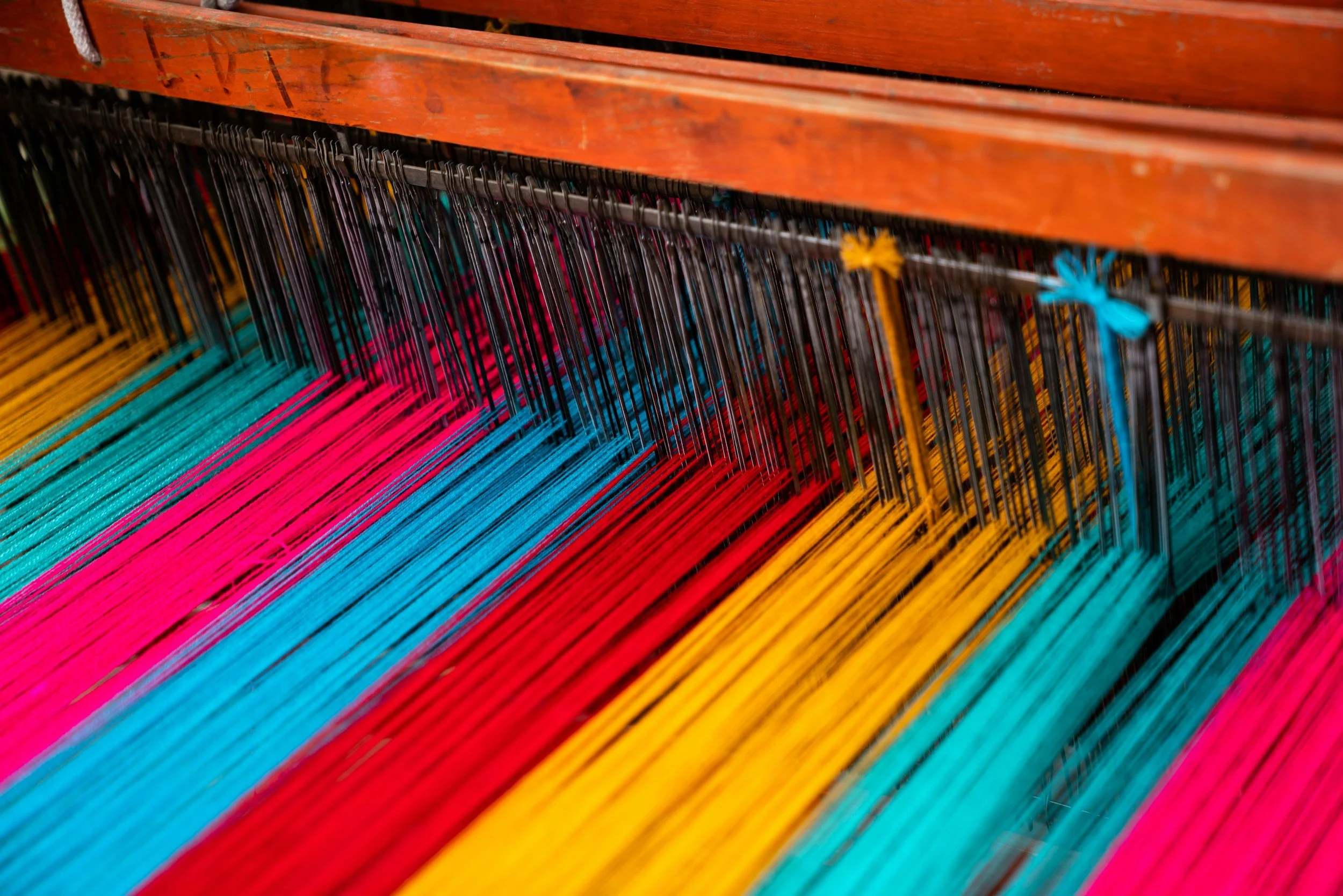

The Return of "Ancestral Knowledge": Why New Generations are Rescuing Forgotten Trades
In a world defined by the immateriality of bits and planned obsolescence, a silent but resounding movement has emerged: the return to matter. Not as a nostalgic regression, but as a conscious vanguard. Today, young professionals, creatives, and entrepreneurs are setting aside—or integrating—their digital tools to learn how to spin wool, work with ceramics, carve wood, or ferment food using techniques once thought to be lost.
This rescue of "ancestral knowledge" is not a weekend hobby; it is a political, economic, and emotional response to the dehumanization of mass production. Is it possible that the key to a sustainable future lies not in the next software update, but in the hands of our ancestors?
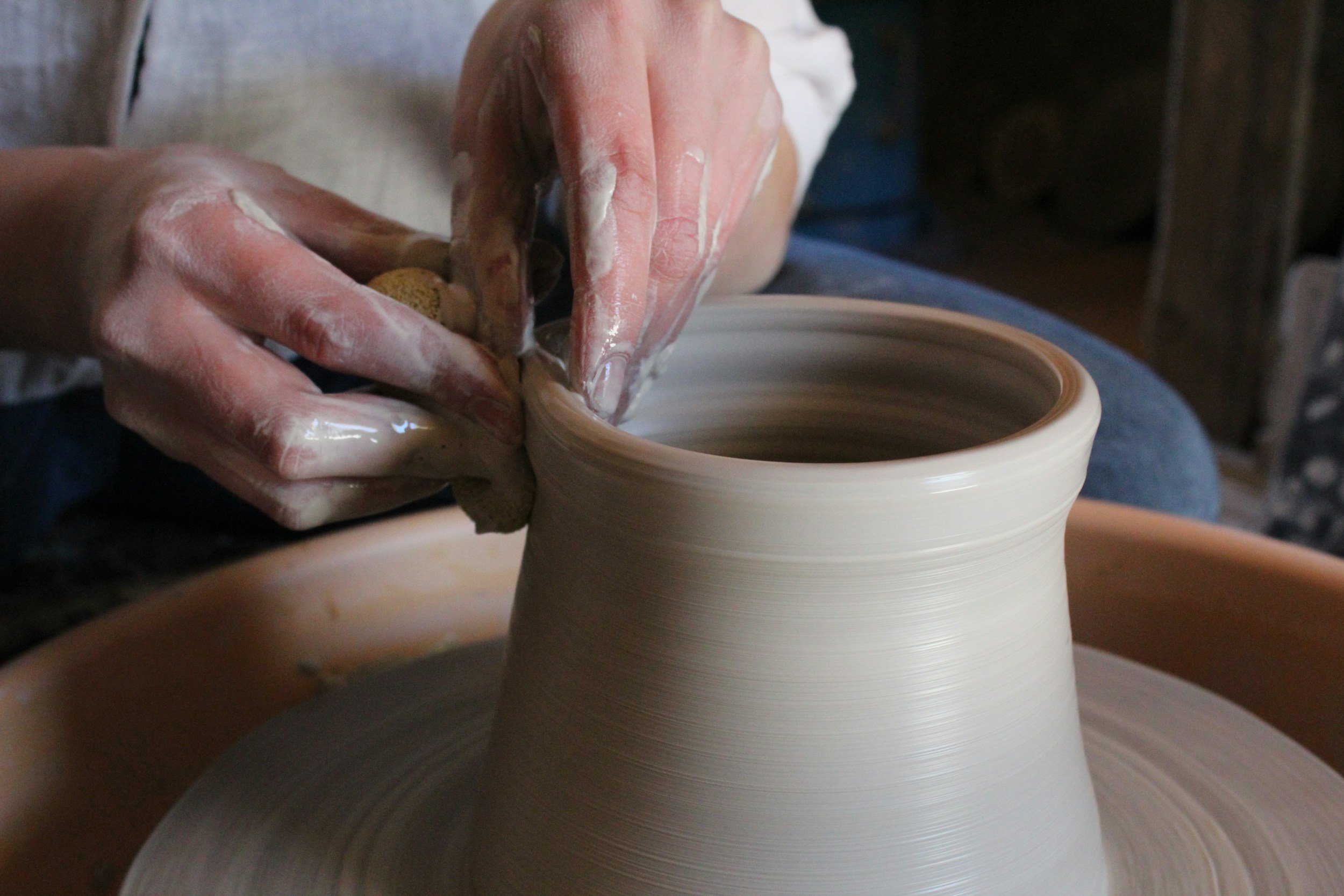
Craftsmanship as an Antidote to Acceleration
We live in the era of "instant gratification," but manual trades demand the opposite: organic time. Learning ancestral knowledge requires patience, repetition, and an intimate connection with materials. For new generations dealing with unprecedented levels of digital anxiety, the trade becomes a form of active meditation.
When an artisan works, a dialogue occurs between mind and matter. There is no "Ctrl+Z" in clay or on a loom; every mistake is a lesson, and every finished piece carries the energy of its creator. This tactile authenticity is what the mass market cannot replicate, and it is precisely what the modern consumer—weary of the generic—is beginning to value above all else.
Real Sustainability: The Luxury of Permanence
The connection between ancestral knowledge and sustainability is direct and profound. Ancient trades are based on utilizing local resources and creating objects designed to last for generations.
Km 0 and Raw Materials: Ancestral craftsmanship uses what the earth offers. In Patagonia, for example, the use of natural dyes extracted from local plants or local sheep's wool drastically reduces the carbon footprint of transport and industrial chemicals.
Primitive Circular Economy: Long before we invented the term "circularity," trades were already practicing it. Nothing was wasted; every scrap of leather, wood, or fabric found a new function. Rescuing this knowledge means rescuing a philosophy of absolute respect for limited resources.
Repairability: An artisanal object is born with the vocation of being repaired. In contrast to the "use and throw away" culture, ancestral knowledge teaches us to care for, mend, and value the aging of objects.
Local Culture: Identity as a Competitive Advantage
In a globalized market, what makes us different is what makes us valuable. New generations are discovering that within their grandparents' heritage lies a unique identity that serves as a seal of distinction.
By rescuing a forgotten trade, one preserves not just a technique, but the history of a community, its myths, and its relationship with the landscape. This "new luxury" is based not on price, but on traceability and narrative. Knowing who made your blanket, under which moon it was dyed, and which weaving technique was used provides an emotional value that no fast-fashion brand can achieve.
The Future is Hybrid
The return to the ancestral does not mean renouncing the modern. We are witnessing the birth of a hybrid artisan: one who uses social media to market their work and perhaps uses computer-aided design for prototyping, but executes the final piece with the rigor and sensitivity of tradition.
Rescuing these trades is an act of cultural sovereignty. It is deciding that we do not want a uniform world, but one woven with the diversity of a thousand different hands.
What knowledge or technique from your own family history would you like to rescue today to once again feel the weight and satisfaction of creating something with your hands?