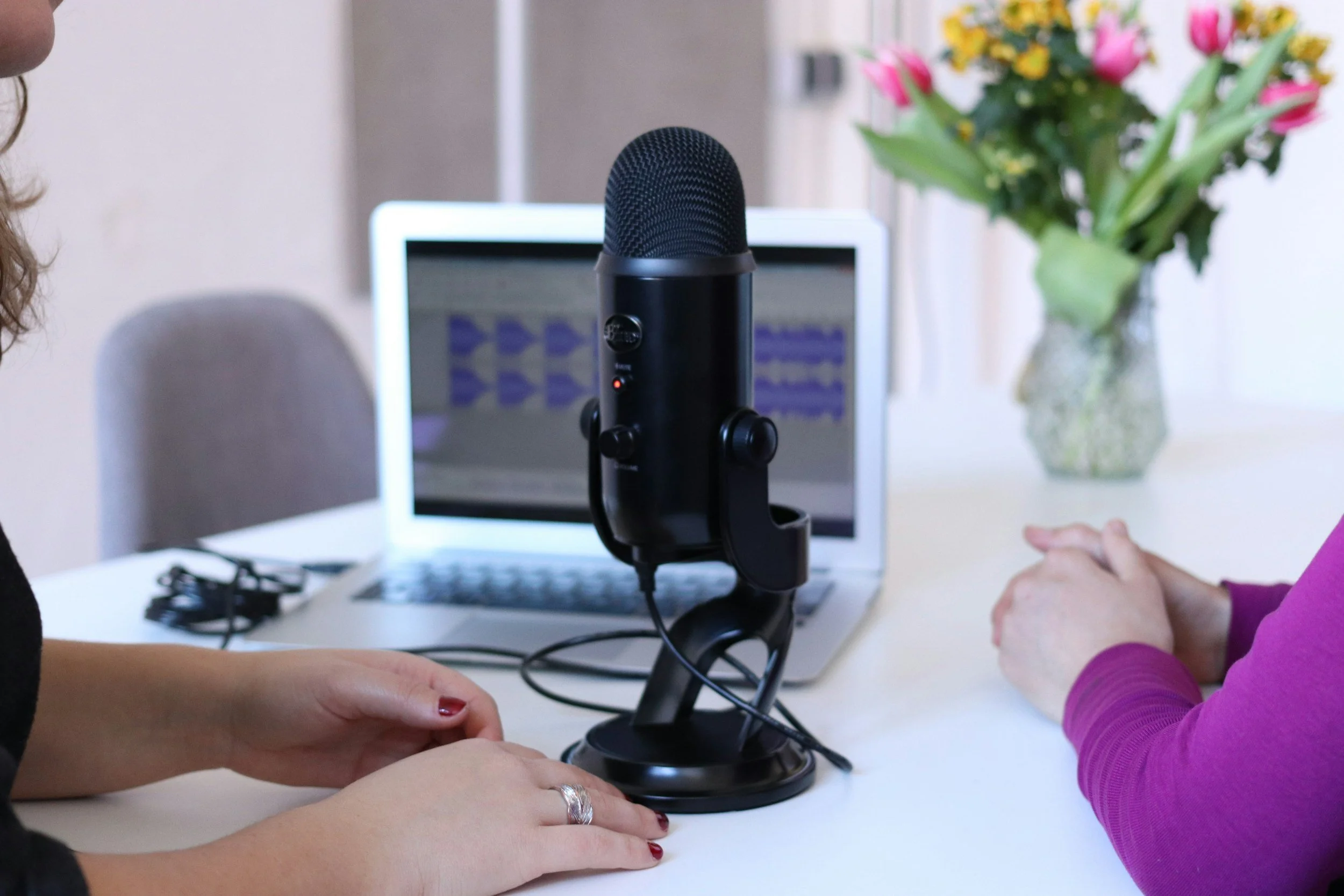

The Podcast as the New "Intimate Diary": Why Sonic Narratives are Conquering the Modern Woman's Time
In the last decade, our media diet has shifted from the tyranny of the image to the subtle reconquest of the ear. While visual social networks demand a fragmented and often exhausting attention, the podcast has emerged as an oasis of intimacy. For the modern woman—the one who simultaneously manages projects, brands, and homes—audio has become the new "intimate diary": a space where another person's voice resonates not as a distant authority, but as a confidant accompanying us in the solitude of our routine.
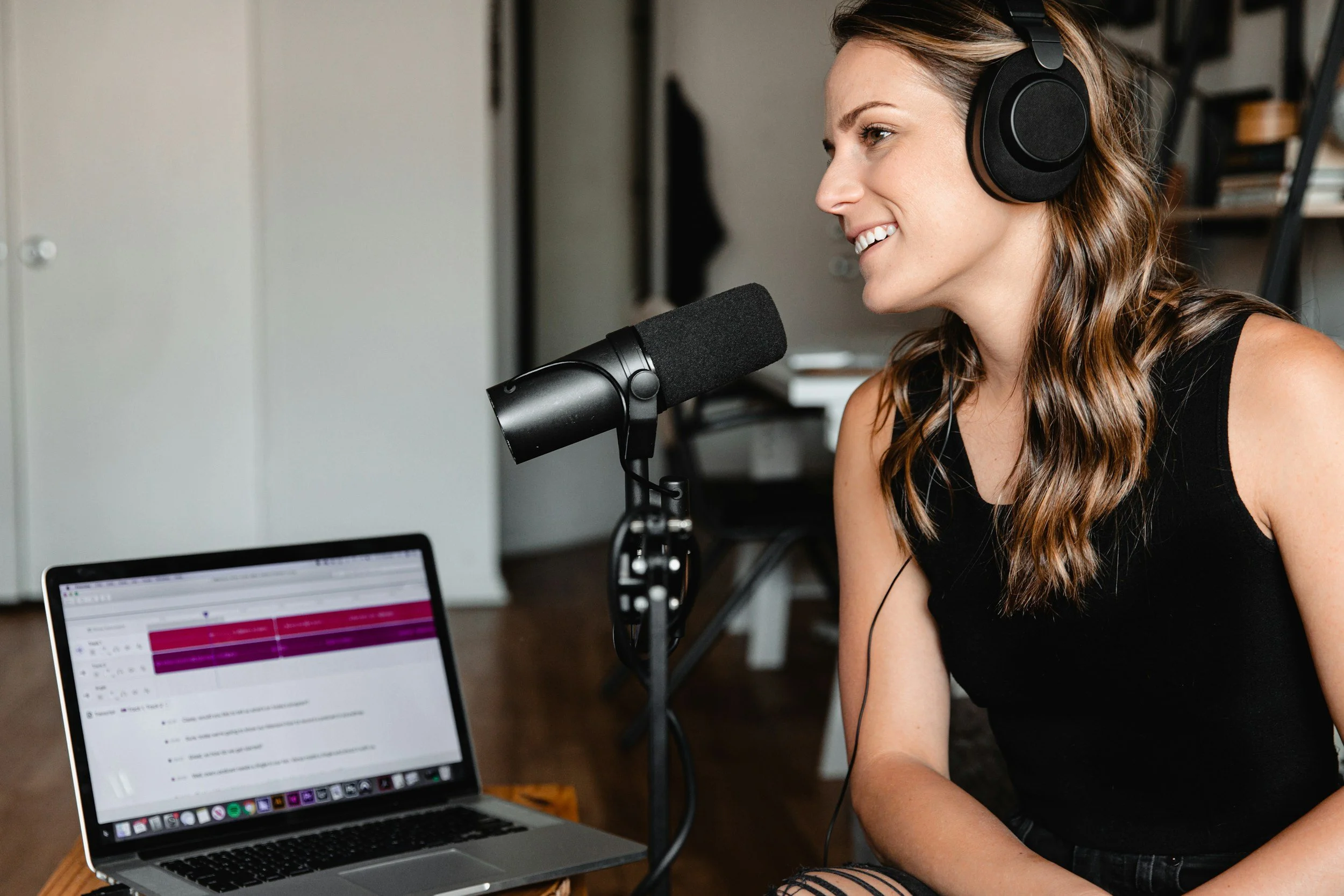
Is it possible that, in a world saturated with filters and overexposure, the naked voice is the most honest format we have left to connect?
The Paradox of Company in the Digital Era
The success of the podcast lies in its ability to fill "dead time"—the commute to work, the wait at the doctor's office, or the morning yoga session—without requiring us to stop using our hands or our sight. However, its connection goes beyond practicality. There is a neuroscience of the voice: listening to someone speak in a slow and honest manner activates brain areas linked to empathy and social closeness.
Unlike a video, where we are spectators, in a podcast, we are imaginary participants in a conversation. That tone of a whisper, of a shared confession, is what has transformed this format into a refuge for deep thought. Have you ever felt that you intimately know a show's host, simply because you have "lived" through hours of reflections with her through your headphones?
Sonic Narratives: The Return of Orality
We are experiencing a return to oral tradition, but amplified by technology. Women are leading this trend, not only as consumers but as creators. The podcast allows for a vulnerability that other media censor:
The End of Visual Perfectionism: Without the pressure to "look good" on camera, communication becomes rawer and more real. Pauses, sighs, and doubts are permitted.
Curation of Interests: From wellness and mental health to geopolitical analysis or sonic fiction, podcasts allow us to edit our own personal radio, far from the commercial agenda of mass media.
Micro-communities of Meaning: Podcasting has created tribes of women sharing specific concerns, breaking the isolation that professional leadership sometimes produces.
Audio as a Tool for Mental Sovereignty
Consuming sonic narratives is a form of resistance against distraction. It requires active listening that, while compatible with other tasks, forces us to follow a long argumentative thread. In the era of 140-character headlines, dedicating an hour to a deep interview is an act of sovereignty over our time and our attention.
For the professional woman, the podcast is also a tool for continuous learning. It is the mentor in your pocket, the masterclass that happens while you prepare your morning coffee. It is the format that best respects our multitasking without sacrificing depth.
The Future of the Voice
The podcast has ceased to be a trend and has become a rooted cultural habit. It is the diary we don’t write, but we listen to; the confession we don’t make, but with which we identify. The voice has the power to remind us that, despite digital distance, our stories and our struggles are shared.
Which podcast has been your constant companion this past month, and what does that choice say about the conversations you need to have with yourself at this point in your life?