
Fall Skincare Routine: How to Adapt Every Step as the Air Dries Out and Your Skin Changes
The routine that worked for you all summer can suddenly start failing you in fall, and it's not that your skin got harder to manage: it's that the environment changed completely. Less humidity in the air, the heat turned on, colder wind outside: all of this calls for different skin care, and adapting it in time prevents weeks of tight, dull, or irritated skin.
Why skin behaves differently at this time of year
The skin barrier, that layer that retains moisture and protects against outside aggressors, is directly affected by fall's drier air. Many women notice more sensitive skin, with more redness or flaking, even without having changed any products. The skin's nature didn't change: the environment it has to deal with did.
The step you need to reinforce: deep hydration
If you used a light gel cream in summer, now's the time to switch to a denser texture, with ingredients like hyaluronic acid (which draws water into the skin) and ceramides (which reinforce the skin barrier). It's not about using more product, but about choosing one with greater moisture-retention capacity.
The cleanser: gentler than you think you need
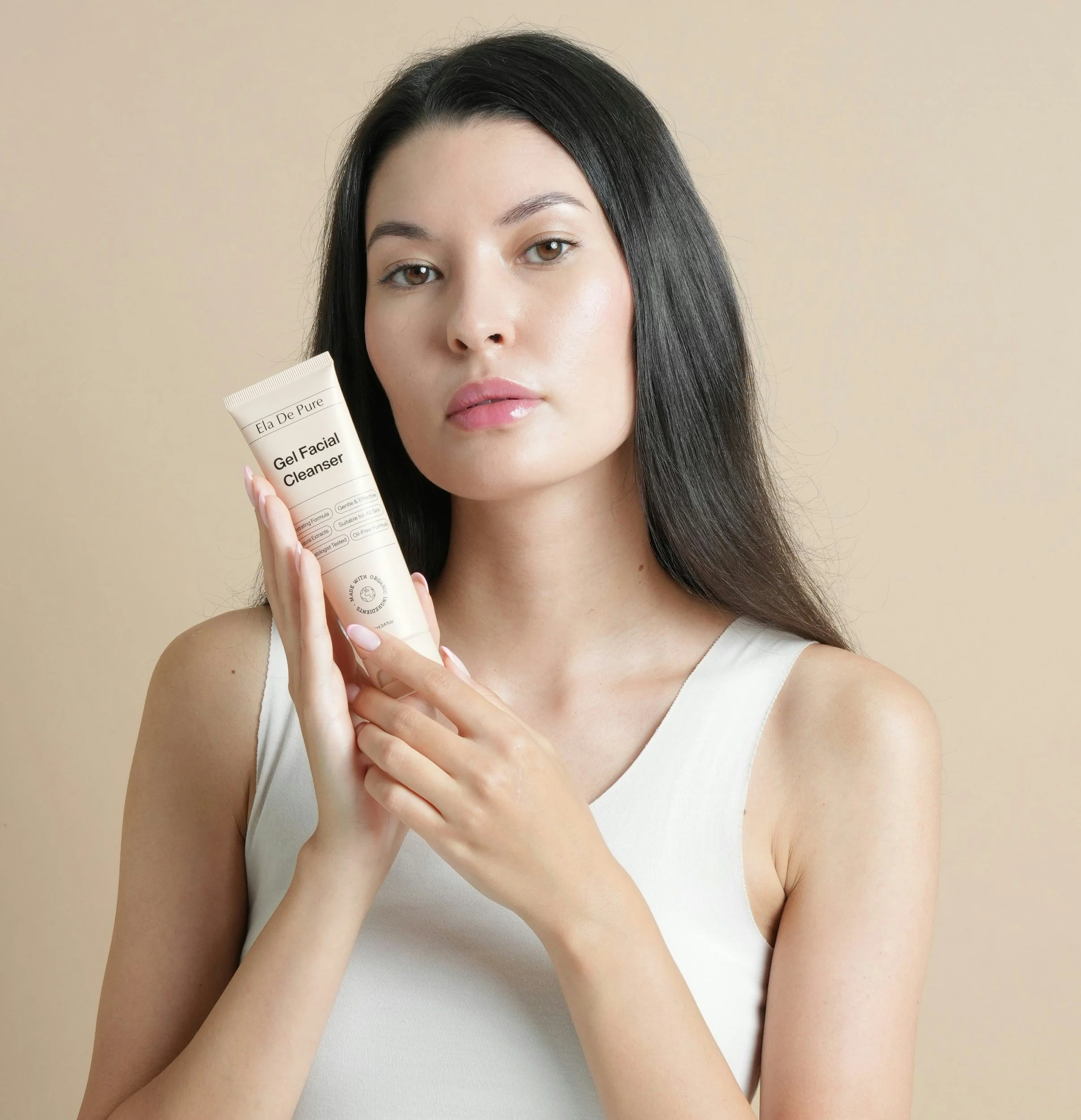
Gel-based or strong foaming cleansers, great for controlling summer oiliness, can end up too drying in fall. Switching to a cream cleanser or a softer texture helps avoid stripping the skin of the natural oils it now needs to hold onto.
Sunscreen doesn't get put away with summer
One of the most common mistakes is dropping sunscreen once the temperature drops. UV radiation is present year-round, even on cloudy days, and it's the leading cause of premature skin aging. Keeping up this step, without exception, is one of the most cost-effective beauty decisions in the long run.
Listening to what your skin asks for, not what the calendar says
Beyond these general adjustments, the best guide is to observe how your own skin responds: if you feel tightness a few hours after applying your cream, it needs more hydration; if shine only shows up in the T-zone, you may not need a full change yet. Adapting the routine gradually, instead of changing everything at once, is what gives the best results during this transition.