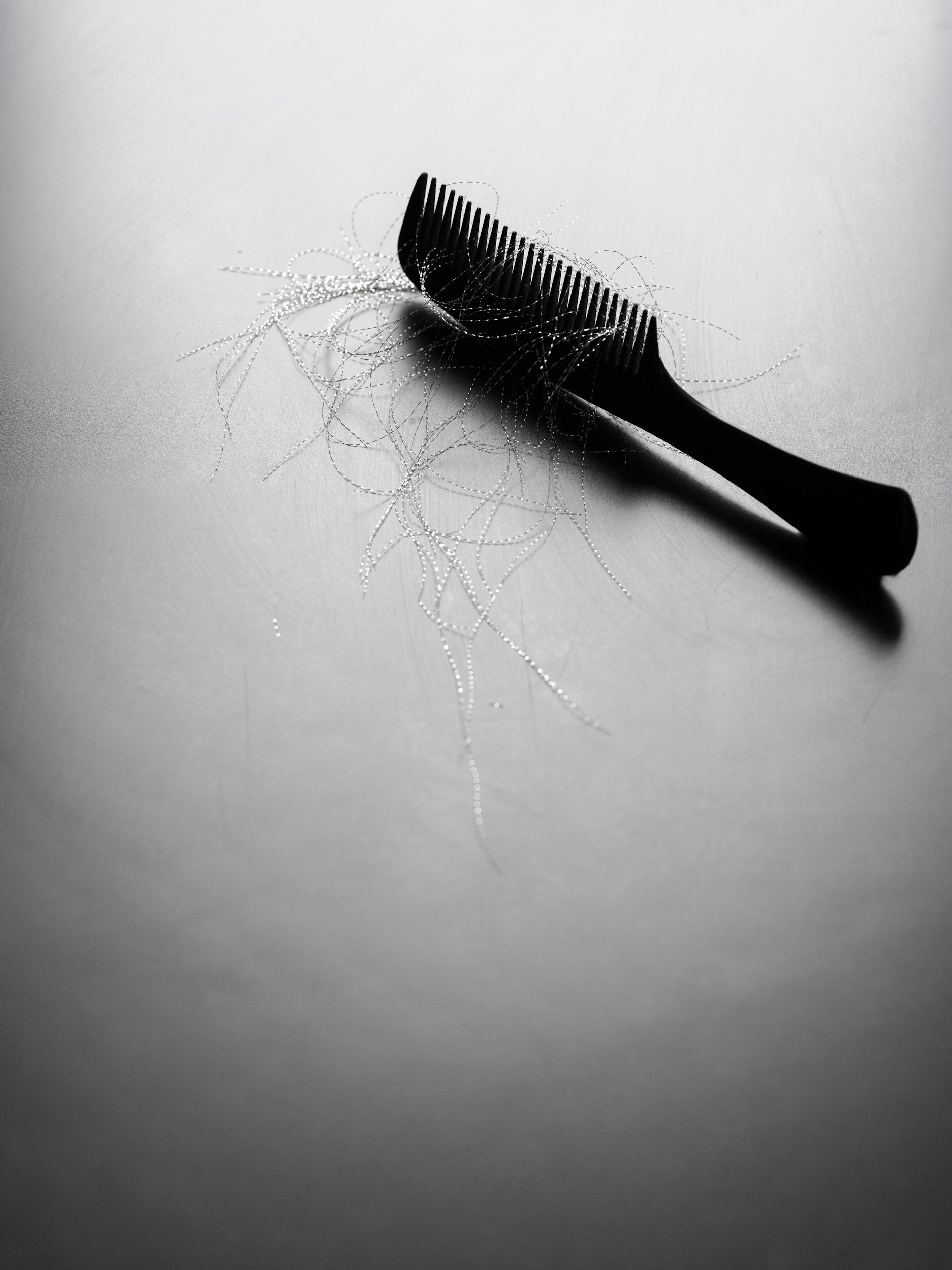

Hair in the Change of Season: Why It Sheds More in Fall and What to Do So It Doesn't Become a Crisis
If you've noticed more hair than usual on your brush or in the shower these past few weeks, you're not imagining things, and it's not necessarily a serious problem either: seasonal fall hair shedding is a real, documented phenomenon and, in most cases, temporary.

Why the body picks fall for this shedding
Hair has growth and resting cycles, and many studies point out that, after summer, a higher proportion of follicles enter the resting phase at almost the same time, which translates into more visible shedding a few weeks later, typically in September and October. This pattern is linked to changes in daylight and, according to some theories, to an evolutionary protective mechanism ahead of winter.
When it's normal and when it's worth seeing a doctor
Losing between 50 and 100 hairs a day is considered within the normal range, and during the seasonal shedding period that number can rise moderately for a few weeks. What does warrant a visit to a dermatologist is if the shedding is noticeably heavy, if it comes with visibly thinner patches, or if it goes on for several months with no signs of improvement.
The care that helps hair through this transition
A well-cared-for scalp supports new follicles growing in strong. Gentle massages while washing your hair, products that don't dry out the scalp, and avoiding excessive heat styling while hair is in this more sensitive phase all help support the process instead of aggravating it.
Nutrition, a quiet ally
Hair is one of the first places the body shows nutritional gaps. Enough protein, iron, zinc, and biotin are key nutrients for hair health. If the shedding feels more intense than usual, reviewing your eating habits over the past few weeks (which often get neglected in the rush of back-to-school season) may be part of the answer.
Patience, not panic
Seasonal fall shedding, in the vast majority of cases, resolves on its own within six to twelve weeks, with no need for drastic treatments. Keeping up a gentle, consistent care routine, and avoiding the extra stress of "panicking" over every hair that falls, is, paradoxically, part of what helps hair recover faster.