

Your Skin After Summer: The Transition Routine That Repairs the Season’s Accumulated Damage and Prepares Your Skin for Fall
After months of sun, chlorine, saltwater, and reapplying sunscreen (or not reapplying it quite as often as we should probably admit), your skin arrives in September with its own list of unfinished business. It is not “ruined” skin, but it is skin that has accumulated months of exposure and needs a real change in routine—not simply a different moisturizer because the temperature has dropped.
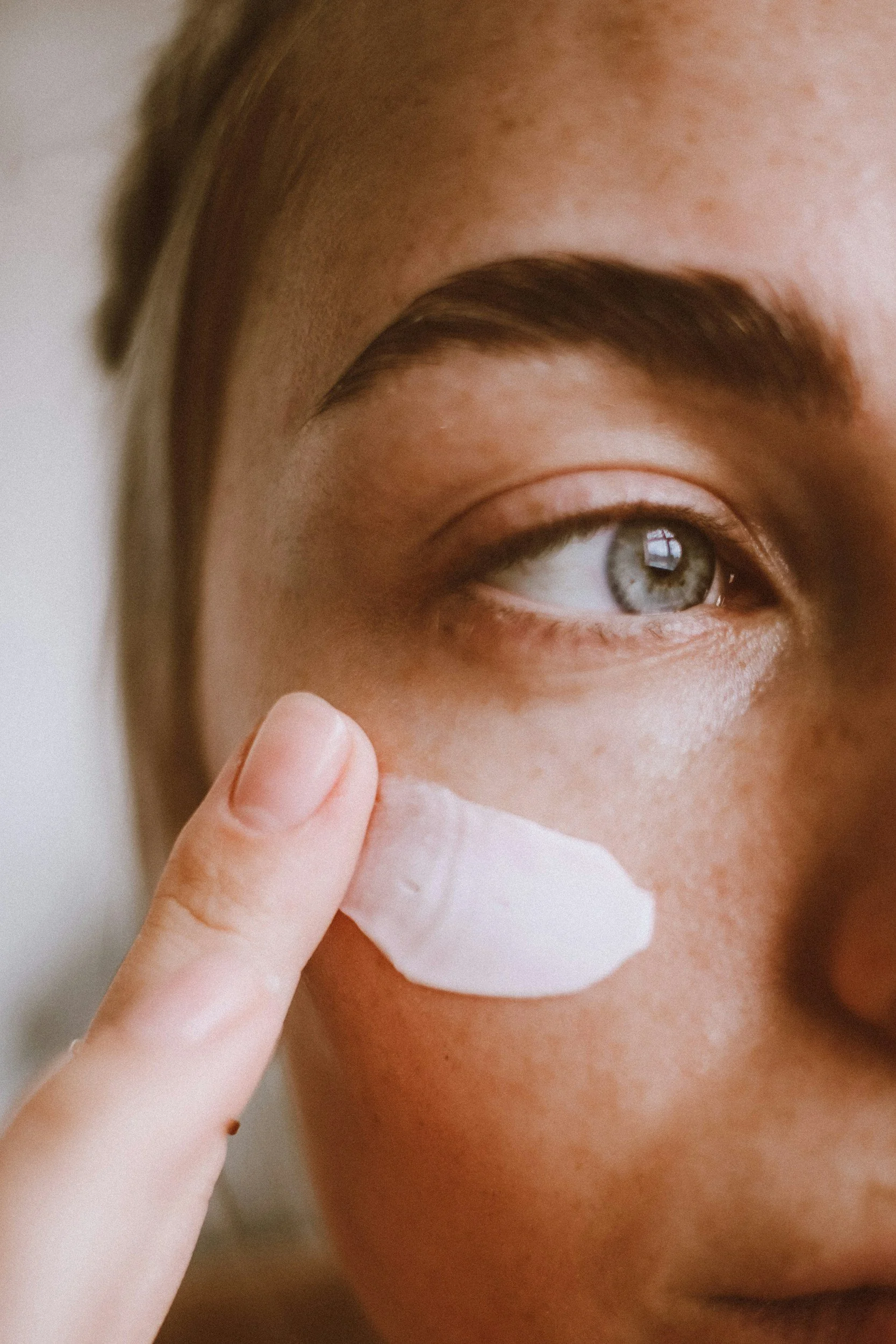
What Summer Really Left Behind on Your Skin
The sun, even with sunscreen, causes cumulative damage that is not always immediately visible: spots beginning to appear, a rougher texture, and a weakened skin barrier from constant exposure to chlorine, salt, and abrupt temperature changes between air conditioning and outdoor heat. On top of that, during summer we tend to simplify our skincare routines, which means many skin types arrive in September after months of neglecting more targeted treatments.
The First Step Isn’t Adding More, It’s Repairing
Before adding new fall products, your skin needs a period of repair. Prioritizing ingredients that strengthen the skin barrier, such as ceramides and hyaluronic acid, helps restore the deep hydration that the sun and chlorine have been draining away. This repair phase usually lasts two to three weeks, and skipping it to move directly into more active treatments, such as retinoids, can cause irritation in skin that is not yet ready for them.
Reintroducing Active Ingredients Gradually
Many women reduce their use of acids and retinoids during the summer because of the photosensitivity they can cause, which is a sensible approach. The common mistake is restarting them in September at the same frequency they were using before taking a break. The recommended approach is to reintroduce them gradually, twice a week during the first two weeks, increasing the frequency only if the skin tolerates them well, to avoid the irritation that can occur when you resume them too quickly.
Sunscreen Doesn’t Get Put Away With Summer
One of the most common mistakes is easing up on sunscreen as soon as temperatures drop, when in reality exposure to UVA rays—the type responsible for aging and pigmentation—remains practically the same throughout the year. Keeping sunscreen as a non-negotiable daily step in your fall routine is what truly protects the results of any restorative treatment you are doing.
Post-Summer Dark Spots Deserve Targeted Attention
If summer left you with new dark spots or intensified existing ones, September and October are the best time of year to treat them because lower direct sun exposure allows ingredients such as vitamin C, tranexamic acid, or niacinamide to work without the same risk of additional sun-induced pigmentation. Starting treatment now, rather than waiting until spring, gives you months of a head start before intense sun exposure returns.
A Transition Routine Doesn’t Have to Be Complicated
You do not need a ten-step routine to repair your skin after summer. A gentle cleanser, a barrier-repair serum, consistent moisturizing, and daily sunscreen are the foundation that supports any additional treatment you may want to add later. Your skin does not need immediate perfection; it needs consistent care over the coming weeks.