

Hair in September: How to Restore Hydration and Structure After Months of Sun, Chlorine, and Salt
Hair is one of the great forgotten areas of post-summer care. While skin usually receives immediate attention, hair arrives in September after months of accumulated exposure to the sun, pool chlorine, sea salt, and air-drying. Often, the first symptom we notice is simply that it “doesn’t look the way it used to,” without fully understanding why.
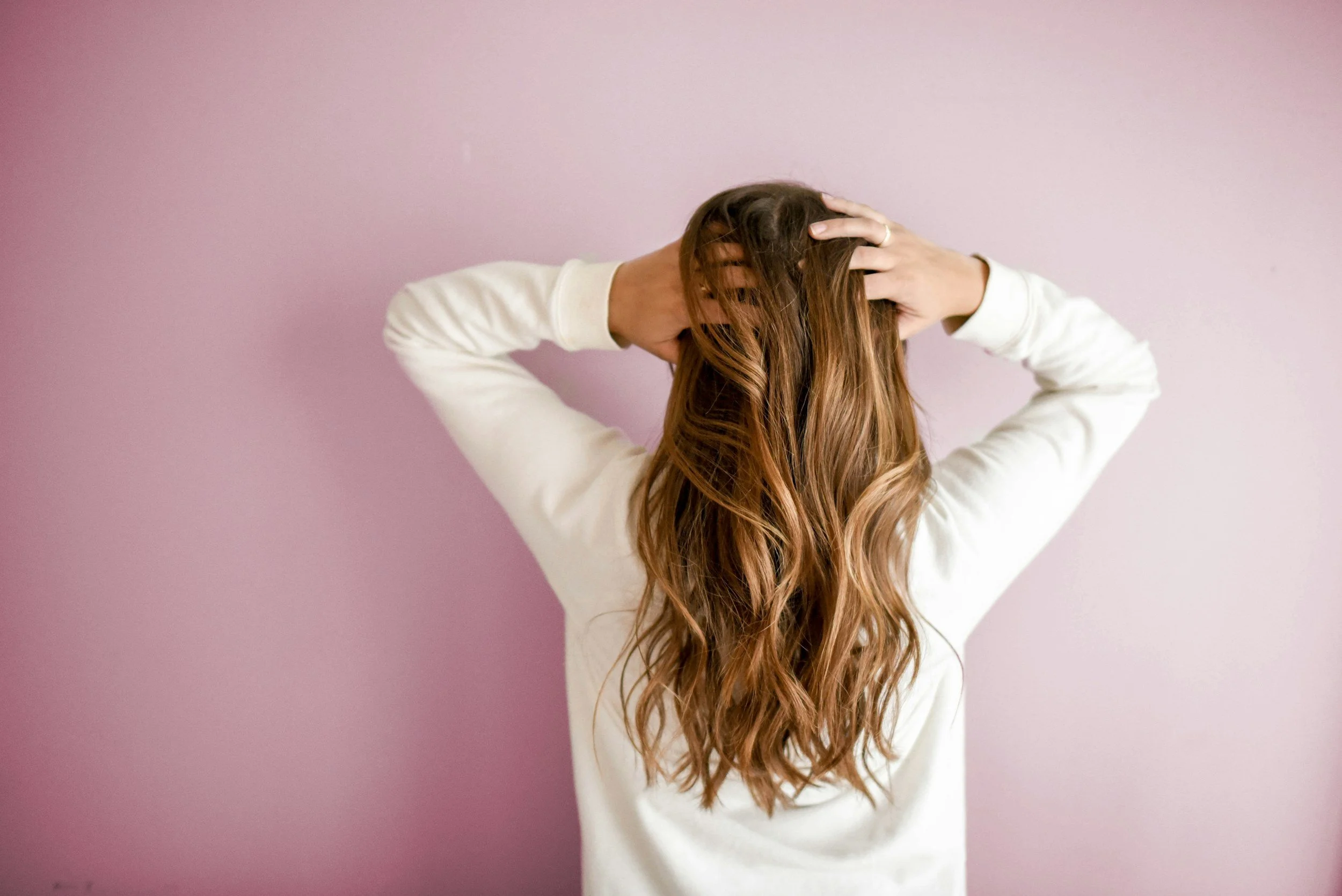
What Happens to Your Hair During the Summer
Sun exposure breaks down keratin, the structural protein in hair, weakening the hair fiber from the outside in. Chlorine, meanwhile, dries out the scalp and leaves the hair more porous, causing it to lose moisture faster than usual. The combination of these factors, along with the dehydrating effect of sea salt, explains that feeling of hair becoming rougher, more brittle, and duller that many of us notice at this time of year.
The First Step Is to Diagnose, Not Treat Blindly
Before adding products, it is worth identifying what type of damage is predominant. If the hair feels rough and dull, the main issue is usually hydration. If it breaks easily while combing or brushing, the damage is more likely related to the protein structure of the hair fiber. Treating both with the same product does not produce the best results: hydration calls for humectants such as glycerin or hyaluronic acid, while structural repair calls for proteins such as hydrolyzed keratin.
A Layered Repair Routine That Works
Post-summer hair repair works best through progressive layers rather than relying on a single miracle product. Starting with a protein mask once a week during the first month can help rebuild the damaged fiber. Alternating it with a hydrating mask during the weeks in between prevents the hair from becoming overloaded with protein, which, contrary to popular belief, can also make it brittle when used excessively.
The Scalp Needs Attention Too
It is easy to focus only on the lengths of the hair and forget that healthy hair starts with a healthy scalp. Residue from chlorine, sunscreen, and sweat accumulated during the summer can clog follicles and affect healthy growth. A gentle scalp exfoliant, used once or twice before returning to your regular routine, can help cleanse deeply without causing irritation.
Blow-Dryer Heat: September’s Silent Enemy
After months of air-drying, many of us start using blow-dryers and flat irons more frequently when we return to work and school routines. This is precisely the worst time to increase heat exposure on hair that is already weakened. Consistently using a heat protectant and lowering the temperature of heat-styling tools while the hair recovers can prevent adding new damage to hair that is still repairing itself.
Restoring Shine Takes Weeks, Not Days
The most common mistake is expecting immediate results and abandoning the repair routine after the second week because “there’s no noticeable change.” Hair fiber is repaired gradually, and visible results often do not appear until the third to sixth week of consistent care. Consistency, more than the number of products you use, is what truly restores your hair’s health after summer.