

The Engineering Behind the Solid: Pure Concentration
For a long time, sustainable cosmetics were linked to a rustic, almost rudimentary aesthetic that seemed at odds with the vanity of a sophisticated woman. It was believed that choosing eco-friendly options meant renouncing silky textures, complex scents, and the editorial design of high-end products. However, in 2026, solid and circular cosmetics have claimed their place in the luxury segment, proving that true elegance today is the absence of waste.
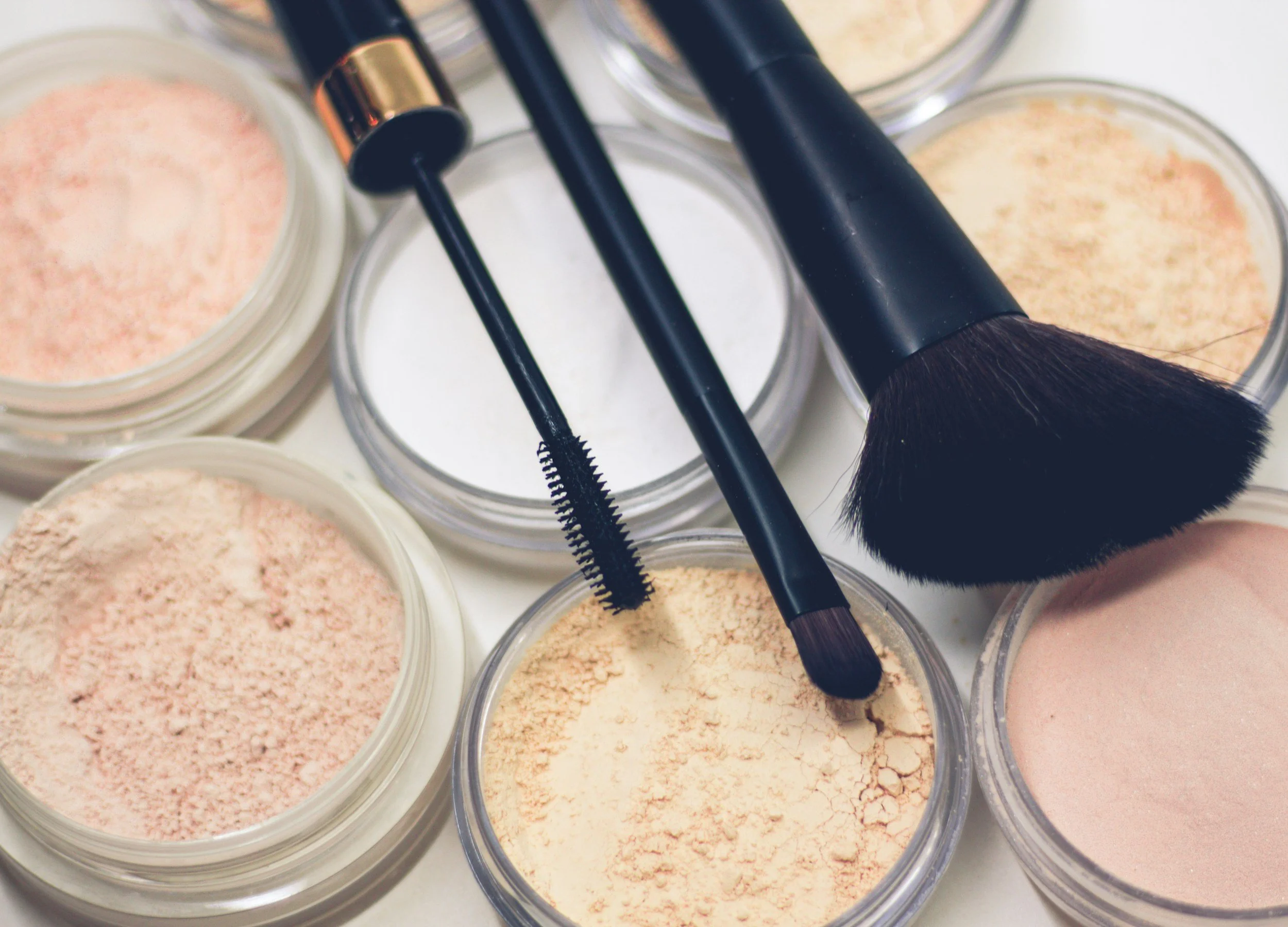
For the professional woman who values consistency between her values and her consumption, the transition to a zero-waste routine is not a sacrifice, but an elevation of her standards. Is it possible that today's true luxury is, precisely, that which leaves no trace on the planet but a deep impression on our skin?
The Engineering Behind the Solid: Pure Concentration
Conventional cosmetics are composed of 70% to 90% water. By removing the solvent, we move from a diluted product to a bar of pure actives. This "solid engineering" allows botanical ingredients, essential oils, and active principles to maintain their potency without the need for aggressive synthetic preservatives.
The Biological Benefit: By containing no water, the risk of bacterial proliferation drops drastically, allowing for cleaner and more stable formulas.
Design Efficiency: A 50-gram shampoo bar or solid serum is equivalent in performance to three traditional plastic containers. Is this not the ultimate expression of the efficiency we seek in every area of our lives?
Circular Economy: The Cycle of Conscious Luxury
Sophistication in 2026 is measured by circularity. It is no longer enough for a package to be recyclable; the new standard is the refill and total biodegradability. Conscious luxury brands are designing containers made of marble, blown glass, or ceramics that are, in themselves, collector's pieces intended to last for decades.
Packaging as Heritage: You buy the container only once; then, you only purchase the solid product or the refill. This reduces the carbon footprint of transport by eliminating the unnecessary weight of water and secondary packaging.
Upcycled Formulas: Advanced circular cosmetics use ingredients derived from other industries, such as polyphenols salvaged from coffee husks or antioxidants from fruit seeds discarded by the food industry. It is modern alchemy at the service of beauty.
How to Edit Your Vanity Towards Zero Waste
Making this transition requires an editor's eye: filtering what adds value and discarding what generates environmental noise.
The Cleansing Ritual: Replace disposable cotton pads with bamboo muslins or organic cotton. Combine them with a solid cleansing balm that transforms into milk upon contact with water. It is a superior sensory experience that respects your skin barrier.
Hydration in a Bar: Solid serums and butters melt with the heat of your skin. This direct contact encourages facial massage, improving circulation and nutrient absorption.
Solid Botanical Perfumery: Perfumes based on beeswax or soy allow for a more intimate and long-lasting fixation, free of alcohols that dry out the skin.
The New Definition of Exclusivity
Choosing solid and circular cosmetics is a statement of principles. It is understanding that sophistication does not reside in the shine of new plastic, but in the integrity of processes and the nobility of raw materials. As women who lead, our beauty routine must reflect our capacity to innovate and protect the environment we inhabit.
Which product in your current routine generates the most waste, and how would your personal care space feel if you could replace it with a piece of circular and biodegradable design?