

Digital Safety in Fall: What Changes in Digital Habits When Kids Go Back to School and More Devices Are in Use
The return to school brings with it a real increase in device use: online homework, communication with teachers through digital platforms, and often a child's first phone or tablet of their own. September is a good time to review the whole family's digital safety habits, before the year's routines fully settle in.
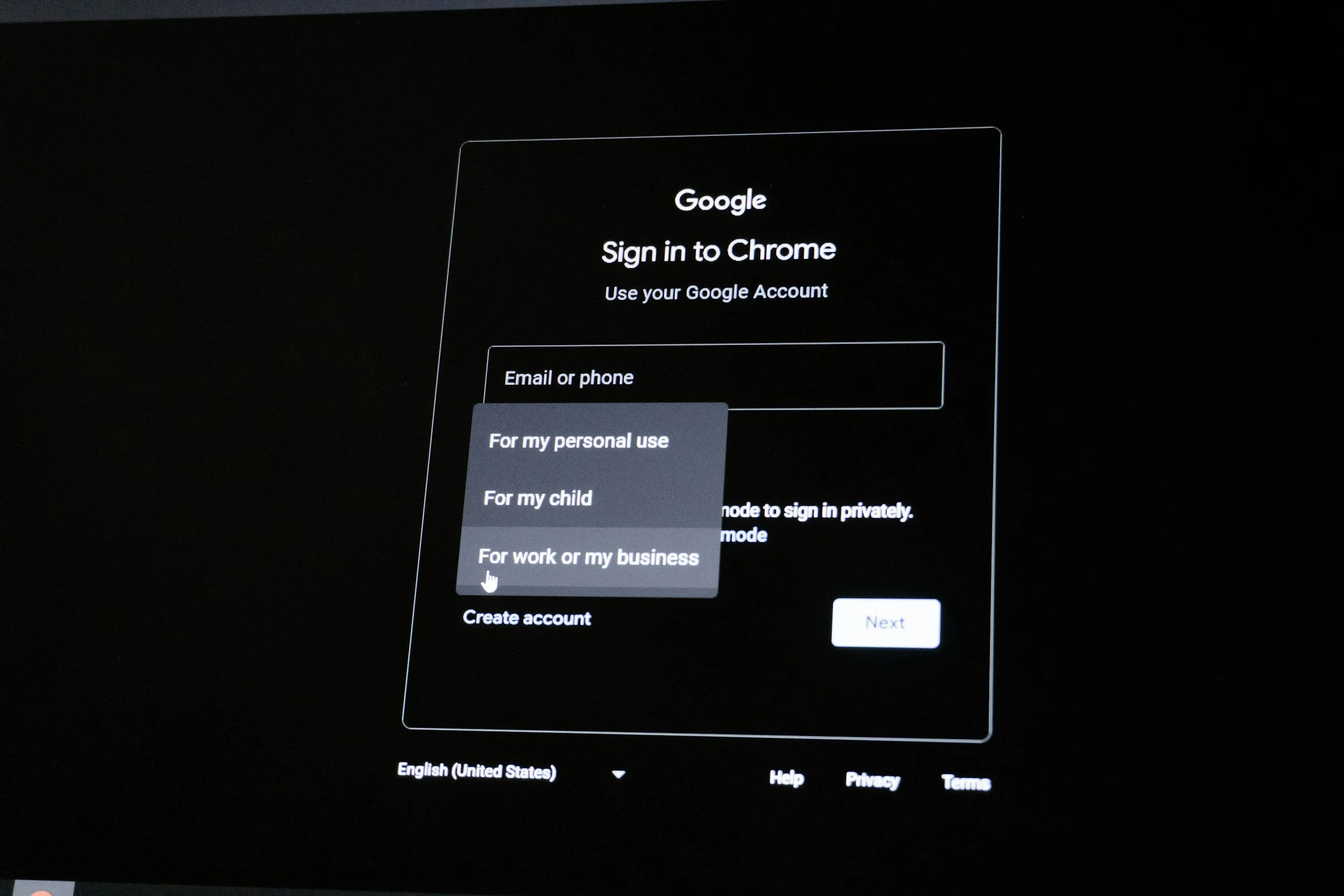
Reviewing the privacy settings of school platforms
Many schools use digital platforms for assignments, grades, and communication with families. Taking the time to review what information these platforms share, and adjusting the privacy settings on kids' accounts, is a simple step many families overlook in the rush of the start of the school year.
Safety conversations, tailored to each age
Younger children need clear rules about not sharing personal information online; teenagers need more nuanced conversations about digital footprint, social media privacy, and recognizing attempts at manipulation or online harassment. Tailoring the conversation to age, rather than giving everyone the same generic talk, significantly increases its effectiveness.
Strong passwords, a family habit, not just an individual one
With more devices and more active accounts in the household (the kids', work, school), establishing the habit of strong, unique passwords for each platform, ideally with a family password manager, significantly reduces the risk of one compromised account affecting the whole family.
Parental controls, a tool, not extreme surveillance
Parental control tools can be useful for setting screen time limits and filtering age-inappropriate content, but they work best when combined with open conversation, not as a replacement for it. A teenager who understands the reasoning behind a limit tends to respond better than one who only perceives surveillance without explanation.
Reviewing your own habits, the lesson that teaches the most
Kids learn digital habits by watching the adults in the house. Reviewing your own security habits (passwords, what you share on social media, how much time you spend on screens) is, ultimately, the most effective digital safety lesson you can give at home this fall.