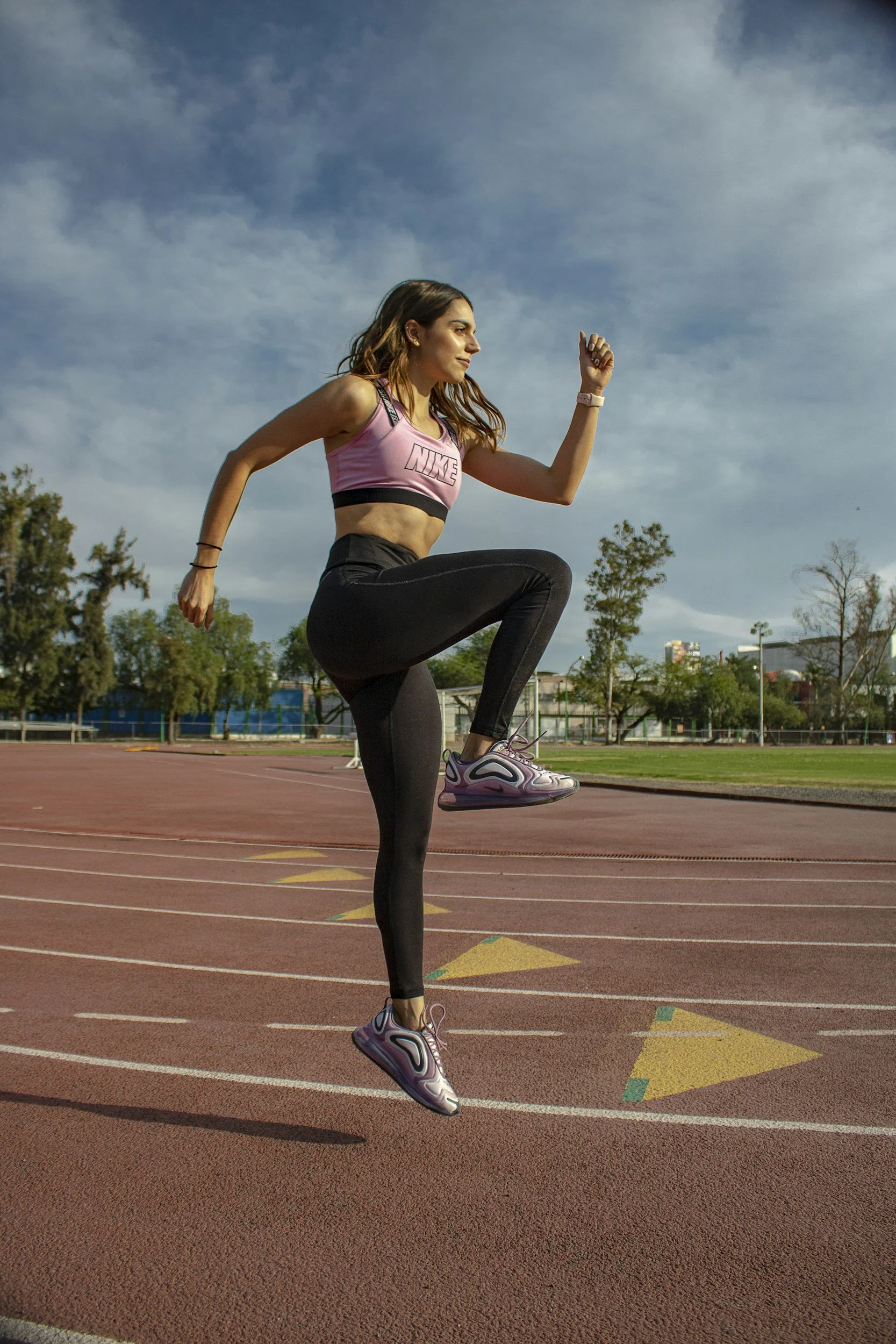

Moving in Summer Without Overheating: How to Exercise When the Heat Makes Everything Feel Twice as Hard
There is a pattern that repeats itself every summer: someone who had a consistent exercise routine in April and May reaches July and realizes that the routine has gradually fallen apart since the heat arrived.
That isn't necessarily a lack of discipline or willpower. It's often the rational response of a body experiencing heat as an additional physical load on top of exercise.

Why Exercise Feels Harder in the Heat: The Physiology Behind the Discomfort
When you exercise, your body generates heat as a byproduct of muscle metabolism. In hot conditions, your body has to manage both the heat produced by exercise and the heat coming from the environment.
That creates competing demands on the cardiovascular system. Your heart has to support working muscles while also helping move blood toward the skin to release heat, which can increase your heart rate at the same level of effort.
The same activity that might have your heart rate at 140 beats per minute in October could push it significantly higher during a hot July workout.
Adaptation Strategies That Make It Possible to Keep Exercising
Change the time of day. Early morning, roughly between 5:30 and 8:00 a.m., is generally cooler than the middle of the day and typically offers lower heat and UV exposure. The hottest part of the day should be avoided for moderate- to high-intensity outdoor exercise whenever possible.
Reduce intensity without abandoning frequency. Reducing workout intensity by 20% to 30% can allow you to maintain regular physical activity without placing unnecessary additional stress on your cardiovascular system.
Use the talk test. If you can carry on a conversation using complete sentences while exercising without becoming breathless between every phrase, the intensity is generally manageable. If talking becomes difficult, it's a good signal to slow down.
Water Exercise and the Signals That Mean It's Time to Stop
Summer naturally lends itself to water-based exercise, which offers two important advantages. Water can help dissipate body heat more effectively than air, while buoyancy reduces impact on the joints.
But cooling environments don't eliminate the need to pay attention to warning signs.
Headache, nausea, dizziness, unusual weakness, confusion, or a sudden change in sweating during exercise in the heat are reasons to stop, move somewhere cool, and assess what is happening. Confusion, loss of consciousness, or signs of severe overheating require immediate medical attention.
Summer Movement as a Celebration, Not an Obligation
Summer offers plenty of forms of movement that don't feel like exercise but still provide real physical benefits:
Swimming with the kids at the community pool.
Walking through the farmers' market in the morning.
Dancing at a weekend barbecue.
Exploring a new park at 7 p.m., when the heat begins to ease.
Summer doesn't have to be the season when you lose all the fitness you built during the rest of the year.
It can be the season when you discover different ways to move—ways that the rest of the year simply doesn't offer the same time, light, or opportunity to enjoy.