

The Body in Extreme Heat: Warning Signs You Should Never Ignore in Summer
Extreme heat is the deadliest climate-related cause of death in the United States, surpassing hurricanes, tornadoes, and floods combined in typical years. For Latino communities, the risk is especially high: greater prevalence of outdoor jobs or workplaces without adequate air conditioning, limited access to air-conditioned spaces, a cultural tendency to minimize physical symptoms, and a language barrier that can make it harder to seek help when symptoms appear.
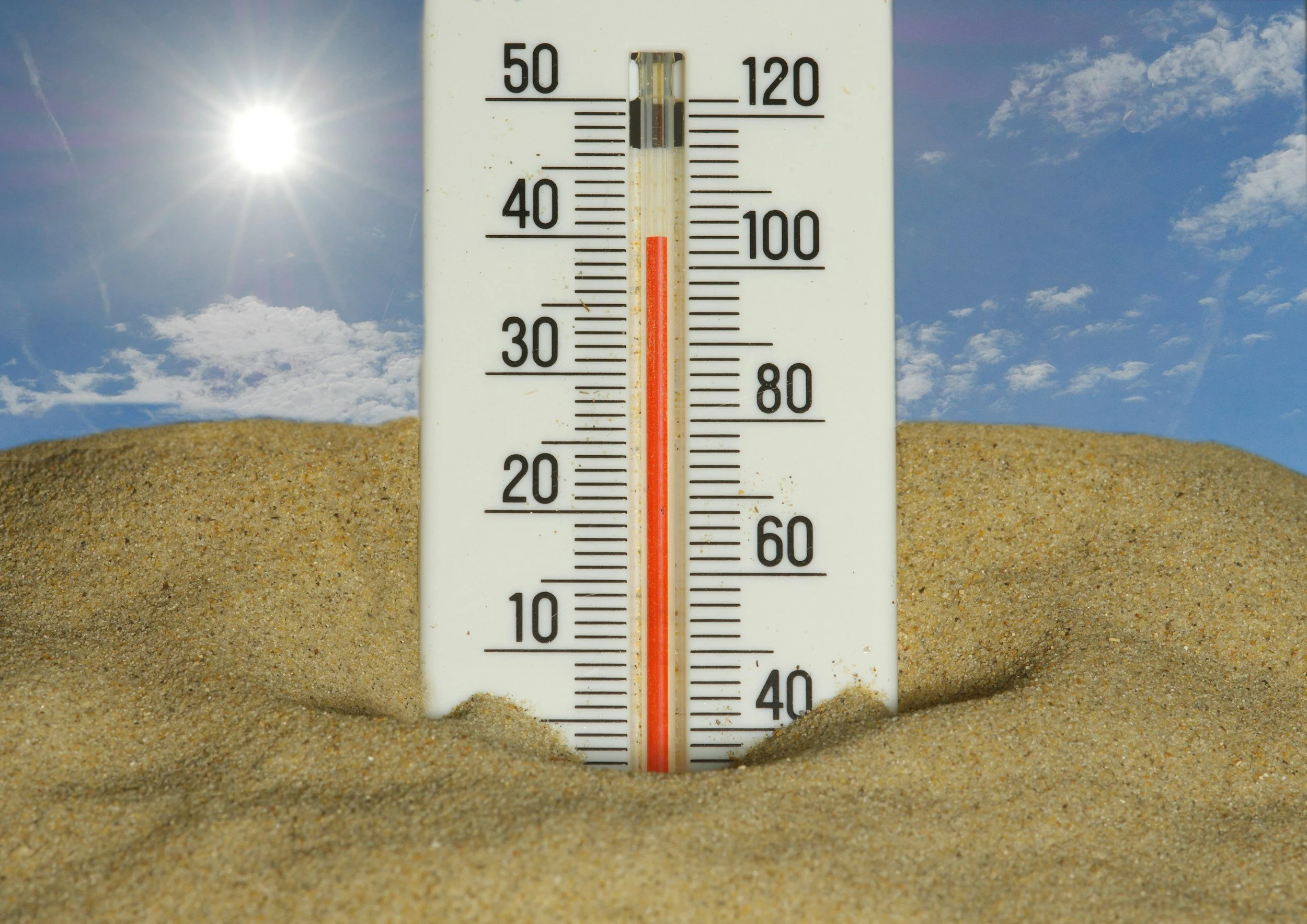
The Three Levels of Heat Illness
Heat cramps: painful muscle spasms in the legs, arms, or abdomen during intense physical activity in the heat. They are a signal that the body is losing more fluids and electrolytes than it is taking in. The correct response is to stop, move to a cool place, and drink fluids with electrolytes. Heat exhaustion: heavy sweating, pale and cool skin, intense weakness, dizziness, nausea, headache. Body temperature below 104°F. Move the person to a cool location, apply cold water to the neck and armpits, and give fluids in small sips. Heat stroke: body temperature above 104°F, mental confusion, seizures, loss of consciousness. Call 911 immediately.
People at Greatest Risk
Older adults sweat less efficiently, have a reduced ability to detect thirst, and frequently take medications that interfere with the body's heat response. Children under four have less developed thermoregulation systems and absorb heat from the environment more rapidly. Cars parked in the sun are especially dangerous: the interior temperature can rise 20°F in just 10 minutes, even with the windows partially open. Never leaving a child alone in a parked car during summer is a rule with no exceptions.

Medications That Increase Risk in Summer
Diuretics, used for hypertension and heart failure, increase fluid loss and can lead to dehydration more quickly in hot conditions. First-generation antihistamines such as diphenhydramine — found in many over-the-counter sleep aids and allergy medications — reduce sweating and can interfere with thermoregulation. Taking one or more of these medications does not mean staying outdoors in summer is impossible. It means the threshold for caution is lower, and that symptoms of overheating can appear with less exposure than might otherwise seem reasonable.
Prevention That Protects Before the Body Sends a Warning
Hydrate before heat exposure, not during or after: drink at least half a liter of water in the hour before any outdoor activity on hot days. Know the heat index, which combines temperature and humidity: when it exceeds 103°F, intense outdoor activity during peak heat hours is genuinely dangerous. Identify the cool spaces available in the neighborhood before a heat wave arrives — including public libraries, shopping centers, and the cooling centers that many cities open specifically during heat waves.