

The Guest Room No One Uses: How to Turn the “Dead” Square Footage in Your Home into Real Income
Let’s be honest. That room exists in millions of homes across the United States. It has a neatly made bed with decorative pillows no one touches, a dresser filled with things we don’t know where to put, and a door that stays closed 90% of the year. We call it the guest room—even though guests show up, at best, twice a year.
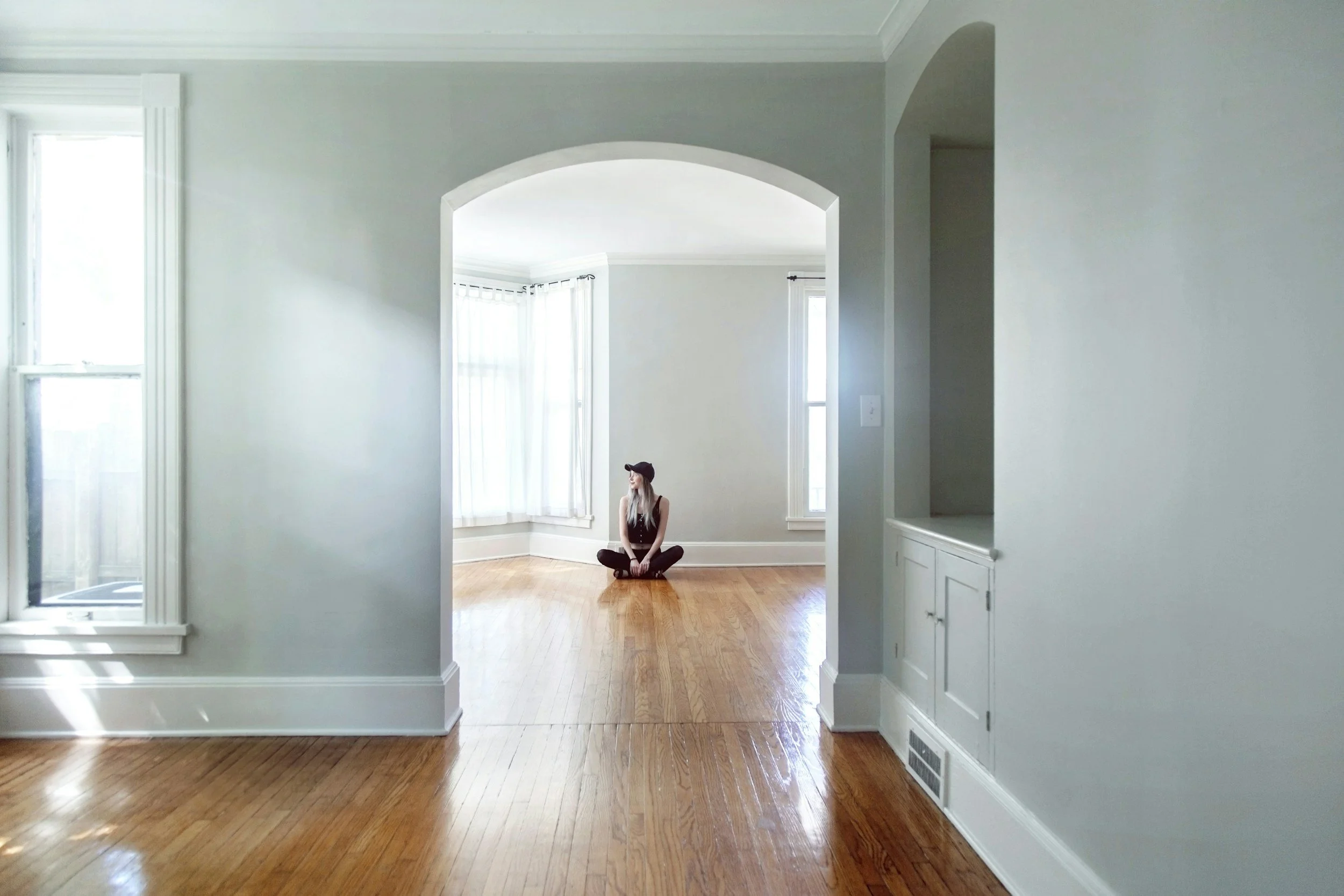
Meanwhile, you’re still paying the full mortgage or rent. For every square foot. Including that one. The question we rarely ask ourselves is simple but powerful: what if that room started paying its share?
The real cost of empty space
Before talking about income, let’s talk about what you’re already losing. If your rent or mortgage is $2,000 a month and your home has four rooms, each one costs you about $500 monthly. A room that produces nothing is, financially speaking, a pure expense.
Three real ways to activate that space
Short-term rental (Airbnb, VRBO): In mid-sized U.S. cities, a private room can generate between $800 and $1,500 a month. What you need: a comfortable bed, Wi-Fi, privacy, and good photos. Make sure to check your city’s regulations before getting started.
Long-term rental: A reliable roommate can cover between $500 and $900 a month in many markets. The key is in the selection process: check references, sign a written agreement, and set clear house rules from day one.
Storage or workspace: Platforms like Neighbor.com connect people who need storage with those who have extra space. Less obvious, but very viable as a source of passive income.
What if you don’t want to rent it out?
Totally valid. A room that becomes a recording studio, a shooting space for your social media business, or a workspace that allows you to deduct square footage on your taxes as a home office is also generating value. Not always in direct cash, but in productivity and tax savings.
The most expensive square foot is the one doing nothing
In a country where housing costs remain one of the biggest financial challenges for Latino families, learning to think strategically about the space we already have is a real advantage. You don’t need to buy an investment property to start thinking like an investor. Sometimes, the first step is right behind that closed door at the end of the hallway.
Open it. Look at what’s there. And start imagining what it could become.