
Choosing a gift can be a pleasure. The pressure to reciprocate, to surprise, or to spend more can change the experience. Talking about expectations early leaves room for other ways of giving.
You start a list and it seems manageable. Then you remember the teachers, the office gift exchange, the person who always has a thoughtful gesture for you, and that cousin who’s joining the gathering this year.
The list grows. The budget doesn’t.
Then a worry creeps in: “What if my gift looks like too little?”
Before you go out shopping, it’s worth looking at what you hope to express with each gift and which rules you’re taking for granted.
Separate desire from obligation
Maybe there are people you’re excited to choose something for. Others are on the list because you’re afraid of looking bad.
You don’t have to settle this by crossing out names. You can think about different ways to make a gesture: an individual gift, something to share, a letter, or a call made ahead of time.
Ask yourself what would make sense for that relationship. Does the other person expect a present? Have you ever talked about it? Are you trying to match a price you don’t even know?
Those answers can simplify your decisions.
Talk before the shopping begins
Agreements work better when they come on time.
You can suggest a ballpark amount, draw names, or decide that the adults will share an activity instead of exchanging gifts.
If there are children, it’s a good idea for the people buying for them to talk, so you avoid duplicates and conflicting expectations.
Make a concrete proposal: “This year I’d prefer that we each give one gift per person, within this amount.” Leave room for others to say what they can take on.
The goal is to find an arrangement everyone is comfortable with, not to impose a new tradition.
Look at the recipient’s life
A gift can look beautiful and be hard to use. Think about their tastes, space, and habits.
Do they enjoy cooking, or do they feel they already spend too much time in the kitchen? Do they have somewhere to put that item? Does the experience you want to give require travel or extra spending?
When you’re close with someone, asking can be a good idea. “Is there something that would come in handy?” lets you choose with real information.
You can also offer two or three options within your budget. The surprise doesn’t have to carry the whole value of the gesture.
Handmade gifts use resources too
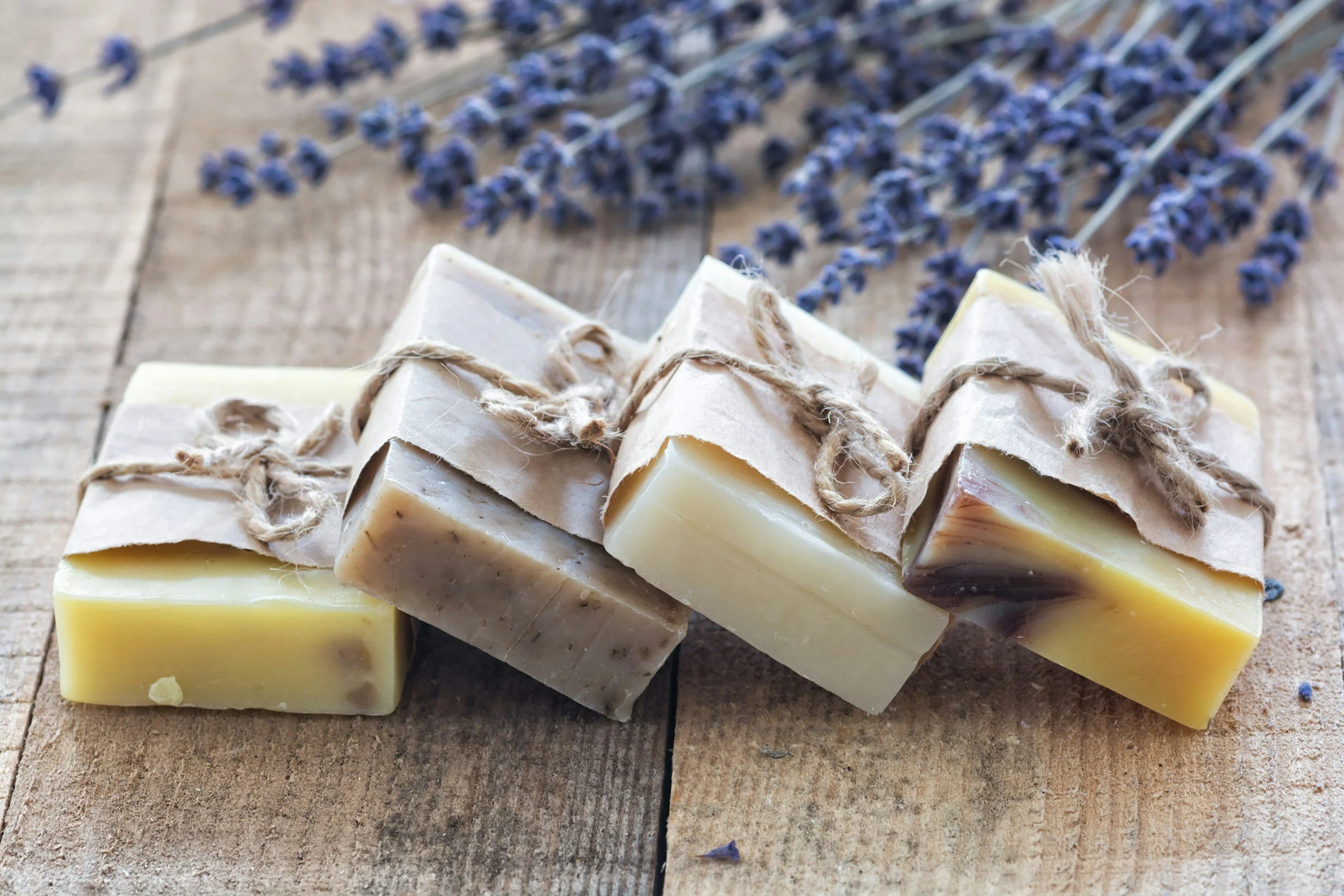
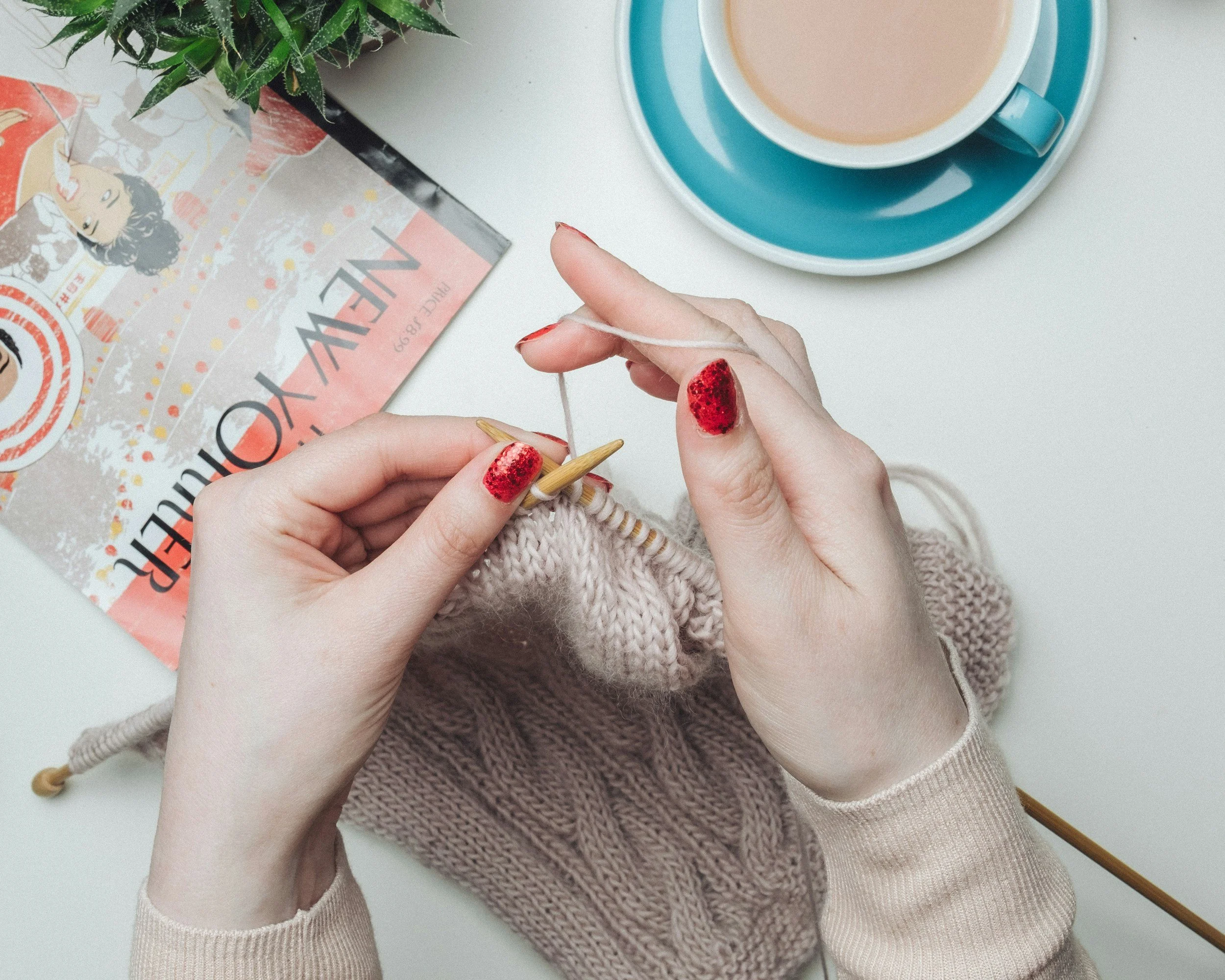
Making preserves, knitting, or putting together an album can be meaningful. It also takes materials and time.
Before committing to ten handmade gifts, work out what it involves. If you enjoy the process and can handle it, go for it. If it leaves you working until the small hours, rethink the scale.
You can make fewer, simplify the format, or save that kind of gift for a few people.
Your dedication doesn’t have to turn into exhaustion to be valuable.
An unexpected gift doesn’t create an instant debt
Someone hands you something and you hadn’t prepared a present. You may be tempted to rush out and buy something to even things out.
First, say thank you. You can express what you liked and acknowledge that they thought of you.
Then decide calmly whether you’d like to make a gesture. You don’t need to match the price or buy something you can’t afford just to fix a momentary awkwardness.
If this imbalance keeps happening and it weighs on you, you can talk about how you’d all prefer to handle gifts going forward.
Keep your limit while you shop
Carry a list and an amount for each purchase. Include wrapping and shipping if there will be any.
When a pricier option comes up, ask yourself what it really adds. Maybe it has a concrete use; maybe it just looks more impressive.
You can change your mind, as long as you review the whole picture. What you add in one place comes out of the same budget.
When you’re done, think about the moment of giving. A personal explanation, a note, or remembering why you chose something can say a lot.
What would you like that person to feel when they receive it? Start with that intention. Then find a way to express it that also looks after your own means.