

Anti-Inflation Weekly Menu: Winter Recipes That Take Care of Your Health and Your Wallet
By the Editorial Team at Musa Magazine
December left us with full hearts—but let’s be honest—it also left our pants a little tighter and our bank accounts a little emptier. January is the month of financial and physical “hangover.”
The good news is that you don’t need expensive juice cleanses or exotic ingredients to detox. In fact, the healthiest winter food is also the cheapest: comforting, spoon-based meals.

Here’s a weekly menu strategy built on three pillars that will save your paycheck—and your digestion.
1. The Return of Legumes (Your Best Protein)
Meat is expensive. Lentils, beans, and chickpeas are not. Besides being budget-friendly, they’re packed with fiber, which helps your digestive system recover from all the holiday flour and sugar.
• Star Recipe: Garden-Style Lentils
Skip the sausage for a few days. Make a big pot of lentil stew with carrots, celery, onion, and potatoes.
– Money-saving tip: Cook a large batch on Sunday. They taste even better the next day and cover lunch for Monday and Tuesday. Freeze the leftovers for a quick emergency dinner.
2. Root Vegetables: Cheap and Naturally Sweet
In winter, seasonal vegetables in the U.S. are root veggies: sweet potatoes, carrots, butternut squash, and beets. They’re much cheaper than out-of-season tomatoes or lettuce, and they give you that satisfying, natural sweetness that helps curb sugar cravings.
• Star Recipe: Roasted Squash and Ginger Soup
Roast a whole squash and blend it with a bit of broth and fresh ginger. It’s anti-inflammatory, warming, and costs just cents per serving. Top with toasted seeds for texture.
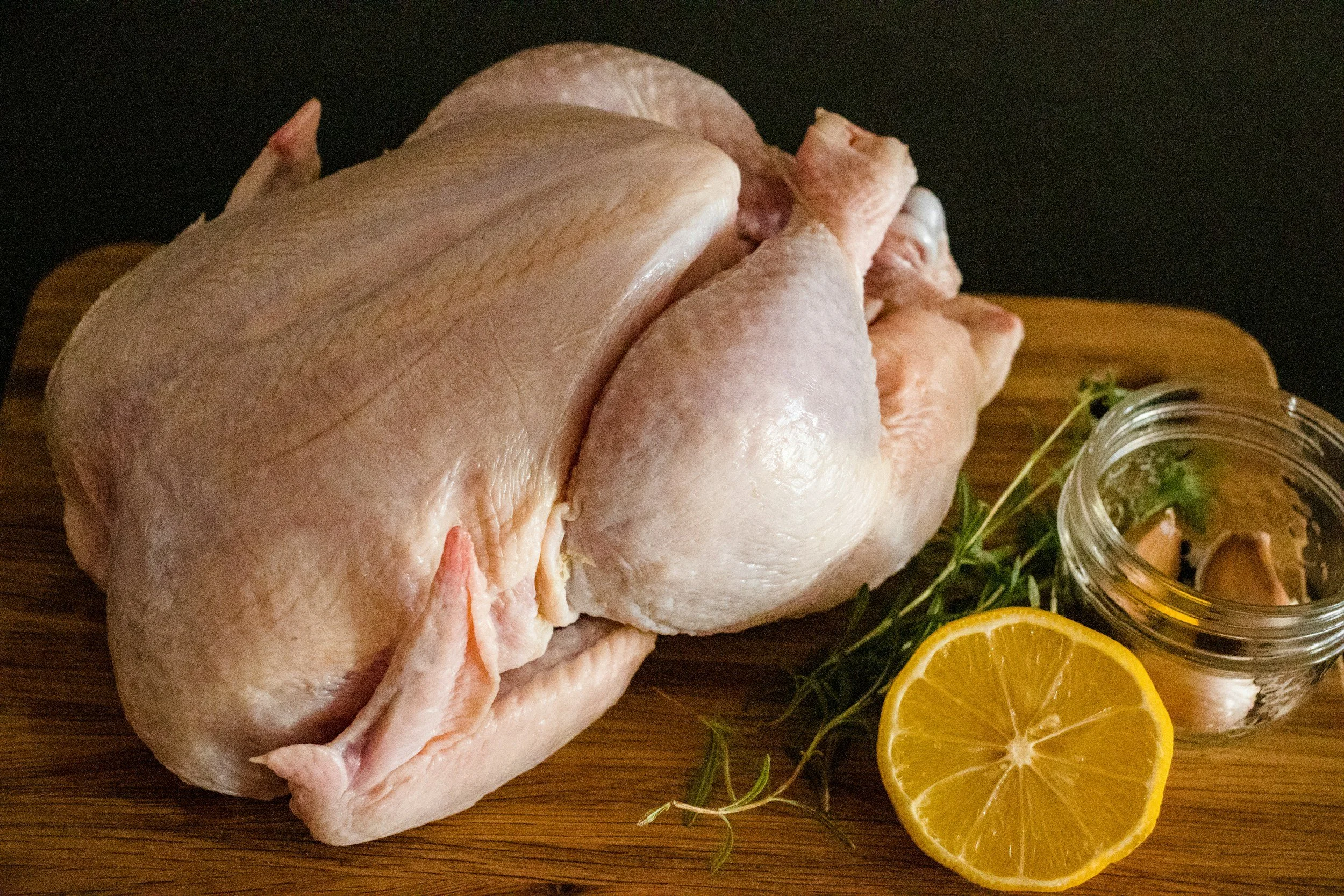
3. The Whole Chicken Strategy
Buying boneless chicken breasts is an unnecessary luxury. A whole chicken costs a fraction of the price per pound and feeds you for three days.
• Day 1: Oven-roasted chicken with potatoes (family dinner).
• Day 2: Shred the leftovers for tacos or a warm salad (lunch).
• Day 3: Use the bones to make a nourishing broth full of collagen (great for skin and gut health) and add noodles or rice.
Eating well in January doesn’t mean going hungry. It means going back to basics—to grandma’s kitchen: warm, nourishing, and waste-free. Your body will de-bloat, and your wallet will recover. Enjoy!