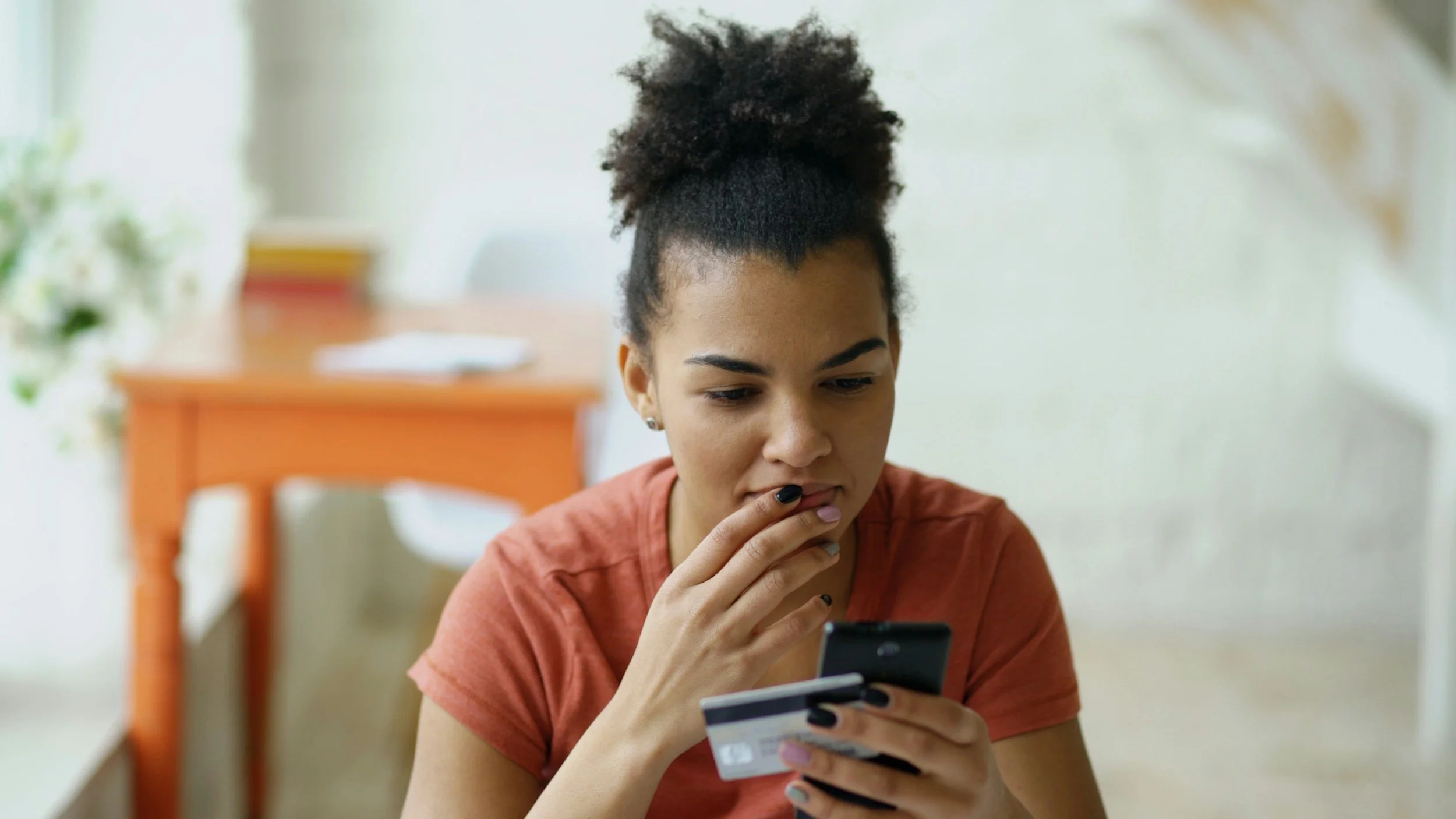

Digital scams are becoming increasingly convincing. Learning to recognize the warning signs can help protect our money and our peace of mind.
You receive a message from your bank: suspicious activity has been detected, and you need to verify your account immediately. The text includes a link and a warning that your card could be blocked if you don't act within the next few minutes.
Everything looks legitimate. The financial institution's name is correct, the message is well written, and the situation sounds alarming.
But there's one problem: your bank never sent it.
Digital scams no longer always arrive as emails filled with spelling mistakes or outrageous promises. Today, they can appear through WhatsApp, Instagram, Facebook, or text messages, carefully designed to earn our trust.
And understanding how they work is one of the best ways to protect ourselves.

Urgency: A Scammer's Favorite Tactic
Many scams share one characteristic: they try to prevent us from thinking calmly.
"Your account will be suspended." "Your package is being held." "A family member urgently needs money."
These messages are designed to trigger fear, concern, or excitement so we'll act without verifying the information.
The most important advice is simple: when you receive an unexpected request for money or personal information, stop.
Don't use the link in the message to check whether it's real. Instead, open the institution's official app directly or contact it using a phone number you already know and have verified.
A legitimate company shouldn't need you to share passwords or security codes in response to an unexpected message.
When a Scam Appears to Come From Someone You Know
One particularly troubling tactic involves using compromised social media or messaging accounts.
Suddenly, a friend sends you a message asking for money because of an emergency. Or a family member requests a verification code they supposedly received by mistake.
Because we recognize the name and profile picture, we may let our guard down.
But those details don't guarantee we're actually communicating with the person we know.
If someone close to you unexpectedly requests a money transfer, call them using a number you already have or verify their identity through another independent method.
Never share authentication codes you receive by text message. They could allow someone else to access your accounts.
Investments That Promise Too Much
Social media has also become a place where fraudulent financial opportunities circulate.
Some posts promise extraordinary profits through cryptocurrency, automated investments, or supposed financial advisors who claim to know a foolproof formula.
Sometimes, scammers spend weeks building trust before bringing up an investment opportunity.
Other times, they use celebrity photographs, fake testimonials, or manipulated videos to appear legitimate.
Artificial intelligence can make it easier to create convincing voices and images, which means seeing or hearing someone familiar isn't always enough to prove that a message is authentic.
Be especially cautious of promises of high returns with no risk and any pressure to invest immediately.
Before handing over money, verify the identity and registration of anyone offering financial services through official sources.
Buying and Selling Online Requires Caution, Too
Online marketplaces can be convenient places to find furniture, clothing, and secondhand items.
But fraudulent listings, fake payment confirmations, and requests for advance payments for products that never arrive are also common tactics.
If you're selling something, be suspicious of anyone who claims to have overpaid and asks you to refund the difference.
If you're buying, avoid rushing to send money to strangers without understanding the protections offered by your payment method.
Scammers often prefer payment methods that are difficult to reverse, such as certain money transfers, gift cards, or cryptocurrency.
Before completing a transaction, review the platform's buyer and seller protection policies and keep copies of messages and payment records.
What Should You Do If You've Already Shared Information?
Discovering that we've been deceived can feel embarrassing, but the most important thing is to act quickly.
If you've made a payment, contact your bank, credit card issuer, or the payment service you used immediately to find out whether there's any possibility of stopping or recovering the money.
If you've shared a password, change it through the official website and review your account security settings. Enable multifactor authentication whenever it's available.
It's also a good idea to save screenshots, messages, and transaction details.
In the United States, you can report suspected fraud to the Federal Trade Commission (FTC) at ReportFraud.ftc.gov. For certain internet-related crimes, you can also file a report with the FBI's Internet Crime Complaint Center (IC3).
Reporting a scam doesn't guarantee you'll recover your money, but it can help authorities identify fraudulent activity.
The Best Protection Isn't Distrusting Everything
We don't need to live in fear of using the internet.
Digital tools make our lives easier, connect us with others, and offer genuine opportunities.
But just as we've learned to lock our front doors, we also need to develop habits that protect us in digital spaces.
Verifying information before making payments, being cautious of unexpected urgency, and talking about scams with family and friends are simple steps that can make a difference.
It's especially important not to judge people who have fallen victim to fraud. Scams are designed to manipulate our trust, not to test our intelligence.
Because protecting our finances in the digital age doesn't mean knowing everything about technology. It means learning to recognize when someone is trying to rush us, confuse us, or take advantage of our trust.