

Gardening on a budget: how to create a green space at home for under $50
By Editorial Team | Home & Finance
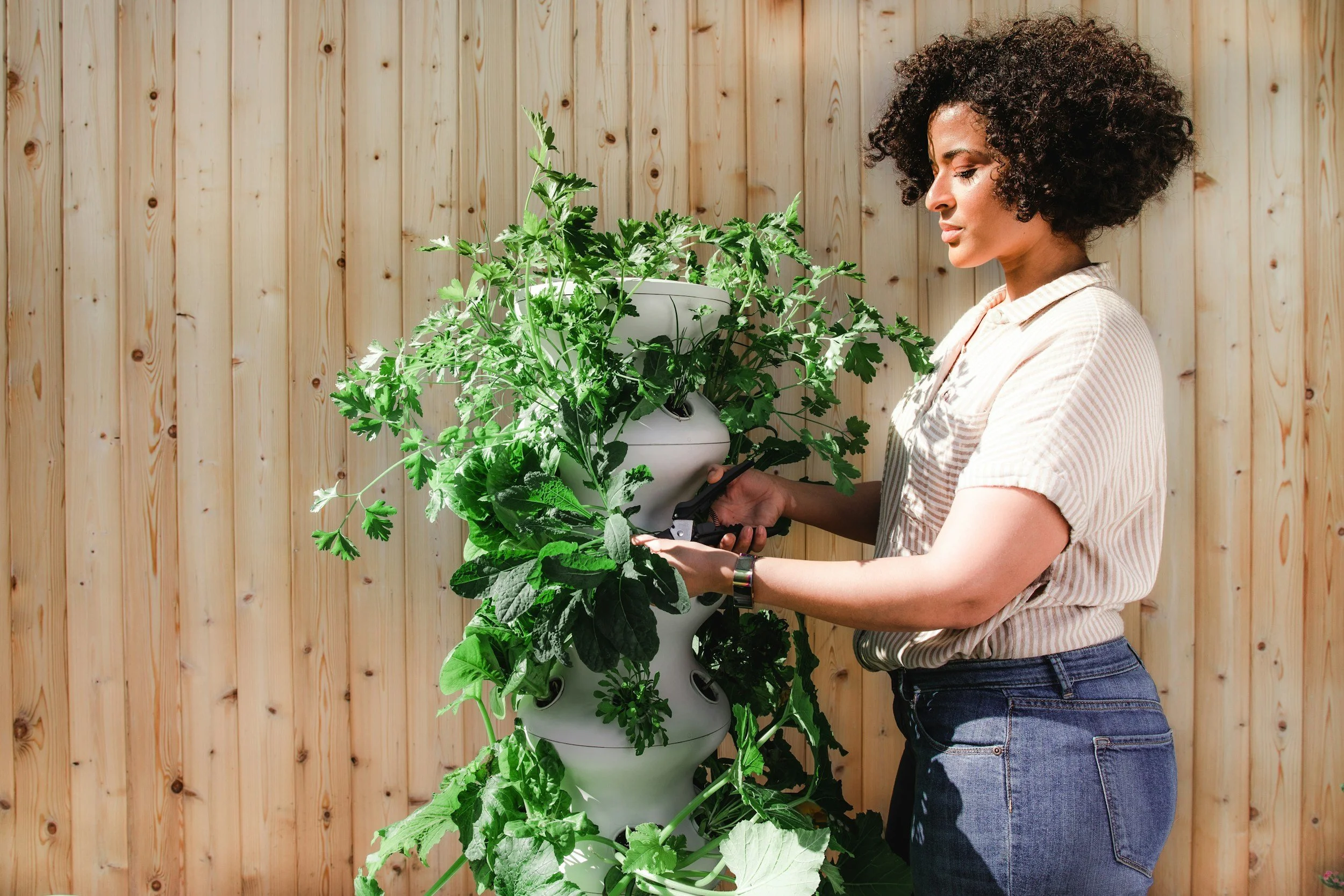
There is something that happens in May that is hard to explain rationally, yet we all recognize it: the urge to put our hands in the soil, to have something green nearby. Studies on the effects of plants on mental well-being consistently show that the presence of greenery in indoor spaces reduces cortisol levels, improves mood, and increases a sense of control over one’s environment. Plants do wonders, and they don’t have to cost much to do their job.
$50 well spent: the concrete plan
Soil and substrate ($8 to $12): A medium-sized bag of potting soil is enough for four to six medium pots.
Pots and containers ($0 to $15): Cleaned tin cans with drainage holes at the base work perfectly. Basic terracotta pots at Walmart or Dollar Tree cost between $1 and $3.
Plants ($15 to $25): Independent local nurseries almost always have lower prices than big-box chains. Plant exchange groups on Facebook Marketplace are a completely free source.
Seeds ($5 to $10): A packet of cilantro, basil, or cherry tomatoes costs between $1 and $3 and produces dozens of plants.
High-impact plants with minimal investment
Pothos: The most "forgiving" indoor plant in existence. It thrives in indirect light, tolerates being forgotten during watering, and propagates with extreme ease. A cutting is completely free if you know someone who can give you one.
Kitchen herbs: Basil, cilantro, mint, rosemary, and parsley are beautiful and functional. With three or four well-maintained pots, the monthly savings can exceed the initial investment.
Succulents: Often available at Dollar Tree for $1 each, offering the highest impact-to-price ratio on the market.
Potted cherry tomatoes: A single plant can produce hundreds of tomatoes throughout the season.
Propagation: growing your collection at zero additional cost
Propagation is the process of creating new plants from parts of an existing one. A pothos stem placed in a glass of water will develop visible roots in two to three weeks. Herbs like mint and rosemary propagate easily from water cuttings. This knowledge turns a single store-bought plant into the starting point of a collection that can grow indefinitely at no extra cost, turning the surplus into gifts or "currency" to trade with other gardeners.
Gardening as a practice, not a project
There is a key difference between viewing a garden as a project to be completed and viewing it as a sustained practice. Gardening as a practice is more accessible, sustainable, and rewarding. It doesn't require everything to be perfect from the start; it just requires you to begin with what you have and grow from there. With $50, a window with some light, and the desire to have something living nearby, you have everything you need to start. Spring will take care of the rest.