
Getting Back to Routine After Summer: How to Reorganize the Home and Schedules Without Turning the Transition Into Chaos
The first week of September is the week when everything happens at once: the school year begins with its schedules, lunchboxes, uniforms, and extracurricular activities; the work year returns to its more demanding pace; exercise, eating, and sleep routines that dissolved over the summer have to be rebuilt; and the home, which operated according to the more relaxed logic of the season, has to be reorganized to handle the logistical demands of the entire year. Most families face that week without any specific preparation and experience it exactly as one would expect: with confusion, forgotten things, and chaotic mornings that create tension before the day has even begun.

The August Assessment: Understanding What Changed Before Trying to Change It
Actual sleep schedules: not the ideal ones, but the schedules the household has been following during the last weeks of August. Research on circadian rhythms shows that the human body, especially that of children and adolescents, adjusts its sleep cycle toward later hours when exposure to light and the structure of the day allow it. A child who gradually began going to bed later during the summer and eventually settled into a midnight bedtime needs one to two weeks of gradual adjustment to move that schedule two or three hours earlier. The state of the physical home: summer clothes mixed with clothing from other seasons without organization, last year’s school supplies somewhere no one knows exactly where, and the children’s workspace, which may have been turned into something else during the summer.
The Gradual Adjustment That Works: Using the Last Week of August as a Transition Week
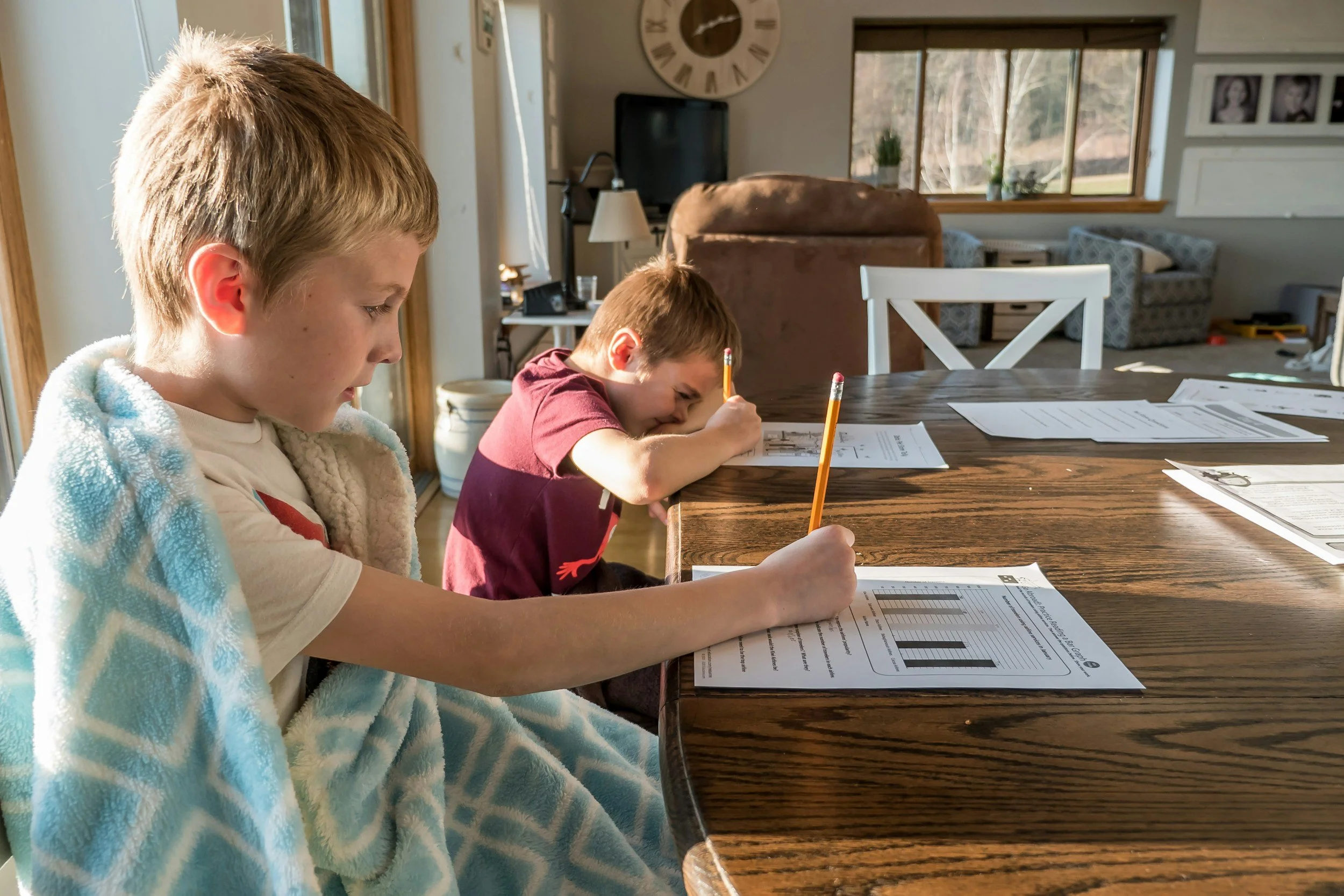
The most effective way to shift children’s sleep schedules without creating the resistance that abrupt changes generate is to do it gradually, moving bedtime fifteen minutes earlier each night during the week before school starts. A child who is falling asleep at eleven at night in August needs to be going to bed at ten on school nights: beginning on Monday of the last week of August and moving bedtime fifteen minutes earlier each night, so that by the Sunday before the first day of school, the schedule is already at 9:45 p.m. The week before school begins is also the time to reorganize the areas of the home that the school routine will require: the study area with school supplies organized and readily available, the designated place for backpacks and shoes when entering the home, and space in the refrigerator for preparing lunchboxes.
Rehearsing the Morning Routine and Managing Extracurricular Activities
One of the most effective practices for reducing the chaos of the first week of school is to rehearse the morning routine during the final days of August: waking up at the time the school year will require, following the planned routine in the order it is meant to happen, preparing breakfast within the available time, and verifying that the timing is realistic before an actual school day reveals that it isn’t. For extracurricular activities, the last week of August is the time to confirm the schedules of all the activities the household will be managing in September, map them onto the family calendar, and identify conflicts before they become emergencies.
Returning to Routine as an Opportunity, Not an Obligation
Getting back to routine after summer has a reputation for being something families endure rather than something they choose. That reputation comes from unprepared transitions that produce chaos, tension, and the feeling that summer ended too soon and that the year ahead is too demanding. A prepared transition feels completely different. A household that arrives in September with sleep schedules adjusted, spaces reorganized, calendars updated, and responsibilities distributed does not experience the start of the year as the rhythm of life being imposed on rest, but as the beginning of a new stage with its own possibilities.