
The Home on the Longest Day of the Year: How to Celebrate the Summer Solstice with Simple Rituals That Connect with Nature and Family
The summer solstice, June 21, was never simply a date in the almanac for Latin American cultures. It was always a turning point in the cycle of the year — a moment of celebration, gratitude, and reconnection with the rhythms of nature that contemporary urban life makes easy to forget, but that the body never stops recognizing. Andean cultures celebrate Inti Raymi at the June solstice with an intensity and continuity that survived five centuries of colonization. For Latina women in the U.S., the summer solstice can be an opportunity to reclaim that connection with natural cycles in ways that require no elaborate rituals or specialized knowledge.
The Dawn Ritual: Starting the Longest Day from the Very Beginning
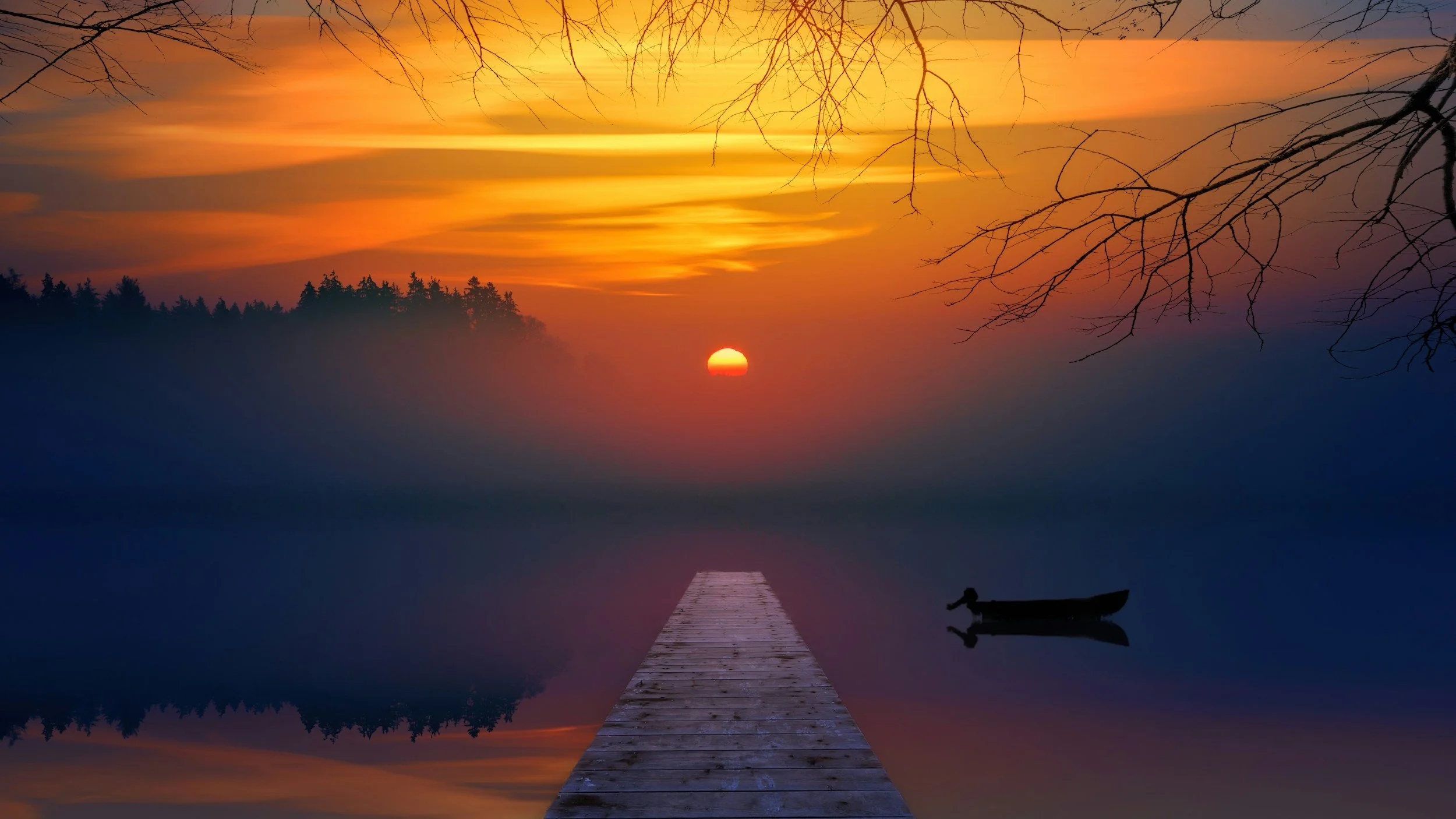
The summer solstice has one specific quality that no other day of the year has: the earliest sunrise. In most U.S. cities, the sun rises between 5:30 and 6:00 a.m. on June 21. Getting up to watch that sunrise — even from an apartment window — is the simplest and most universal solstice ritual there is. For those with access to a park or a garden, doing that ritual outdoors activates the senses in ways that the indoor experience simply cannot replicate. If there are children in the home, waking them to watch the solstice sunrise can become a family ritual that repeats year after year, and that over time accumulates the weight of memory that turns certain moments into part of a family's story.
The Summer Altar and the Solstice Meal
A summer altar is simply a space in the home where elements that evoke the season are gathered: fresh summer flowers in yellows and reds, seasonal fruits like mangoes and peaches, a yellow or golden candle, natural objects collected outdoors. The solstice meal doesn't need to follow any specific ancestral recipe. It can be any preparation that uses the seasonal ingredients available at the local market, cooked with a little more care than usual. The tomatoes that in June begin to appear at their best of the year. The corn that in summer has a sweetness it doesn't have in other seasons. Eating outside if space allows — even on a balcony — adds the dimension of contact with the summer air that ties the celebration to the season being honored.
The Light Ritual and the Solstice Conversation
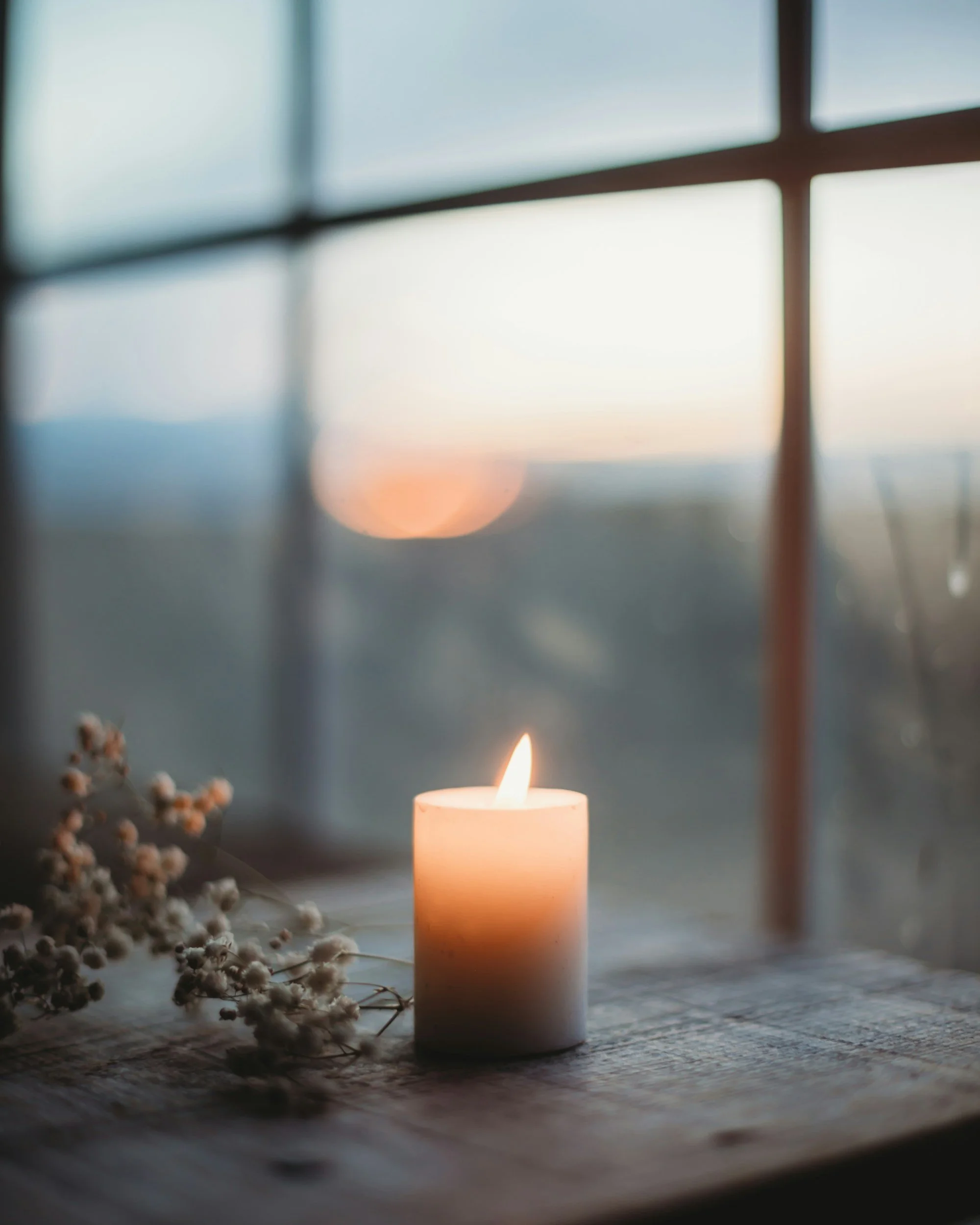
Lighting candles as the natural light finally yields at the year's latest sunset is a gesture that inverts the usual one of lighting candles to compensate for darkness. On the solstice, candles celebrate the light. Lighting a candle with a specific intention for the summer season ahead is a gesture that costs nothing and can mean a great deal. The summer solstice falls at the exact midpoint of the year and can be the moment for a personal conversation about how the year is going: what blossomed in the first half that deserves to be celebrated, what is still waiting for light and attention, what is most important to nurture in the six months ahead.
The Solstice as a Family Tradition
Rituals that repeat with consistency over the years become traditions. And traditions are one of the most powerful ways to build family identity. Creating a summer solstice ritual in the Latino home requires no reference to any specific tradition or documented ancestral authenticity. It requires only the decision that this day will be celebrated in some way — that every year something specific will happen on this day, that children will grow up knowing that June 21 is a day this family notices. Over time, those rituals accumulate their own meaning that no purchase can produce.