
The Garage and Basement as Sources of Income: How to Turn Extra Space Into Money Without Moving or Remodeling
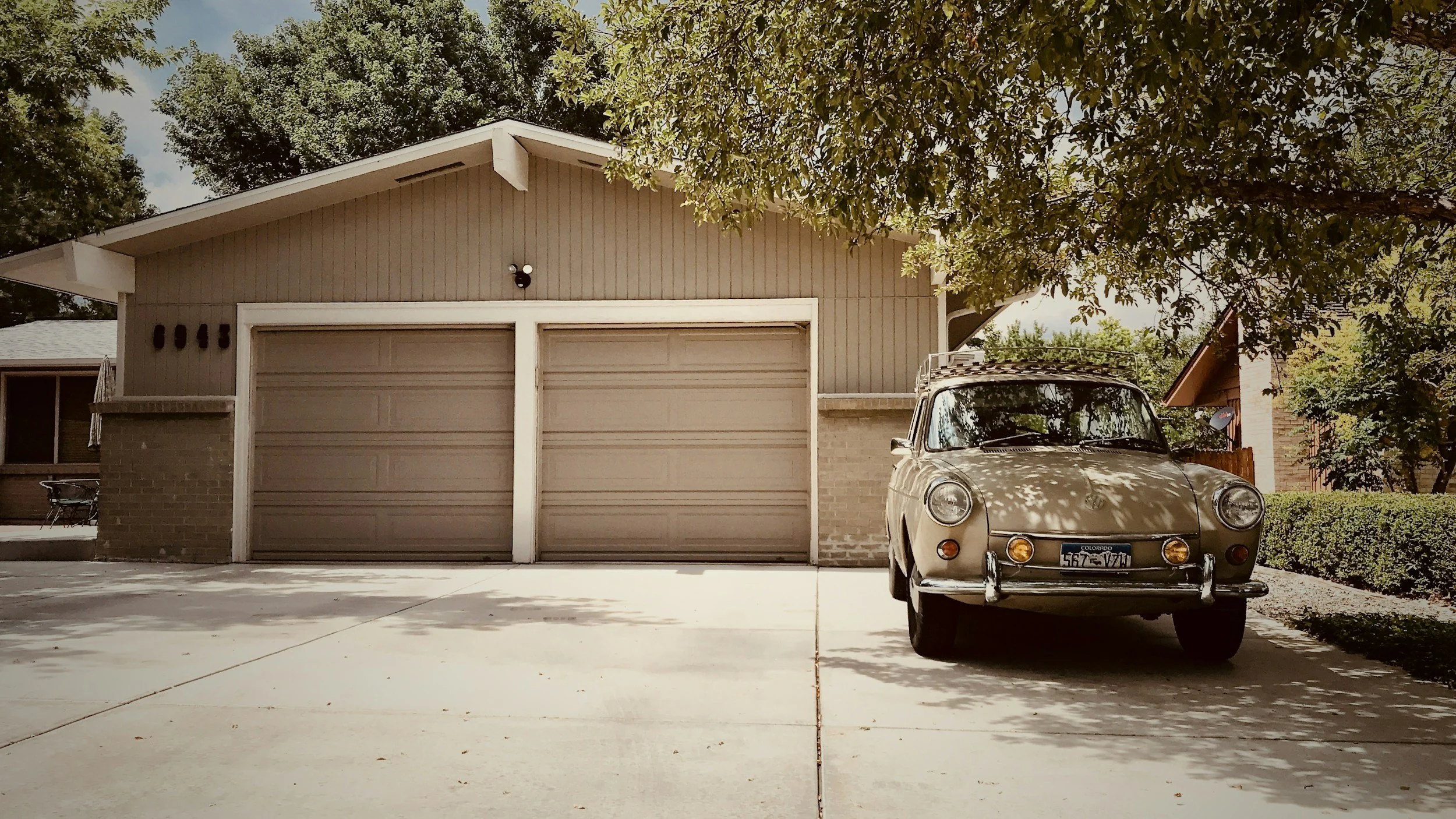
Space in American homes is simultaneously one of the most underused assets and one of the most expensive to maintain. The garage filled with boxes that no one has opened since moving in five years ago, and the basement piled with things that are supposedly going to be organized “someday,” represent square footage that costs money in mortgage or rent without generating any return.
Storage as the First Income Opportunity for Extra Space
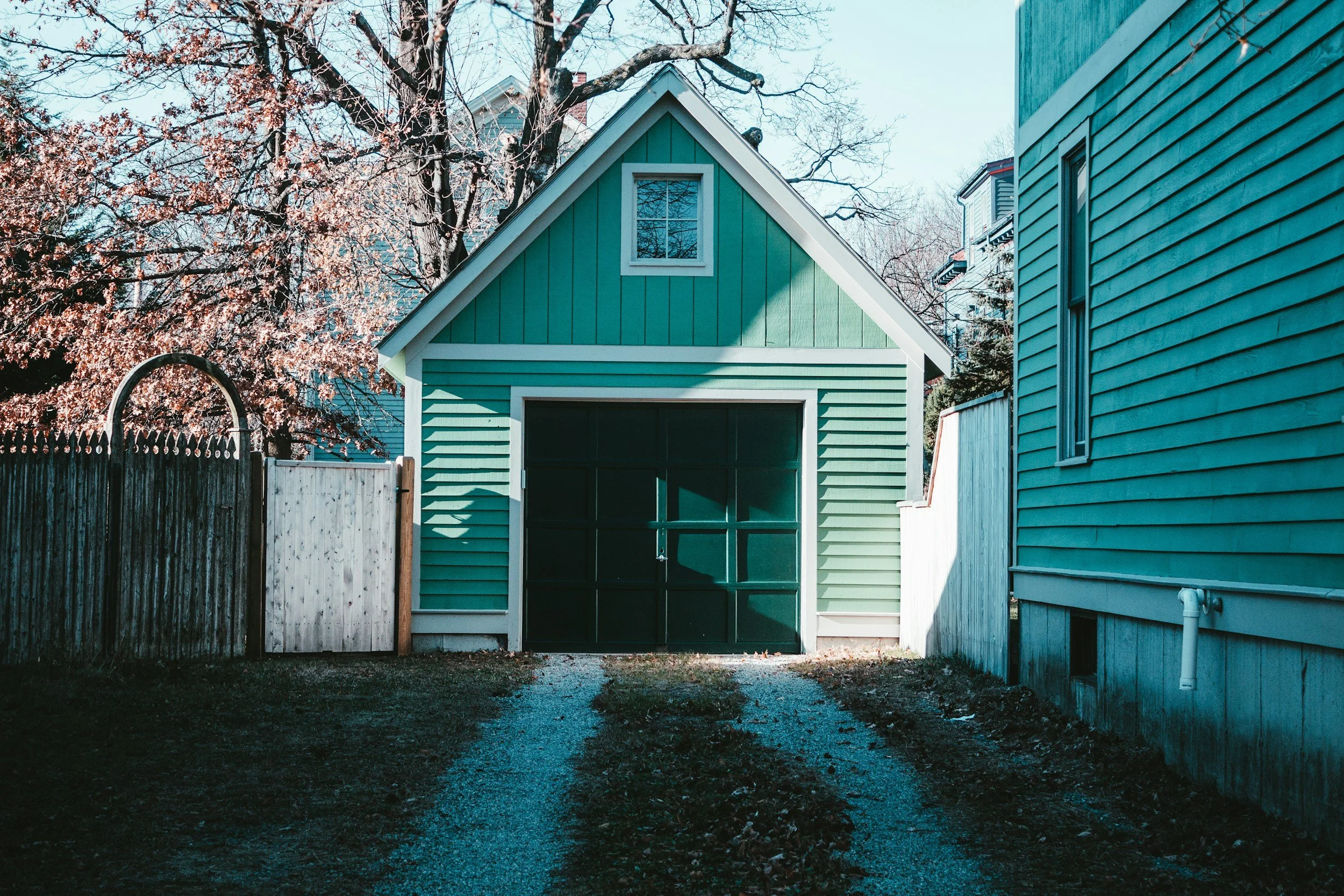
The self-storage market in the U.S. consistently sees demand outpace available supply in many metropolitan and suburban areas. People and businesses in need of storage often pay between $100 and $300 per month for commercial storage units that can be comparable in size to a garage or basement area.
Platforms such as Neighbor.com and Stashbee connect people who have available space with people who need storage, creating a system that handles payments and provides certain legal protections for both parties.
Parking as an Income Source in High-Demand Areas
In urban and suburban areas with high population density and limited parking, a garage space can generate between $100 and $400 per month in parking income.
Platforms such as ParkWhiz and SpotHero make it easier to rent out parking spaces by handling payments and providing visibility to drivers looking for available options.
For households located near high-demand areas—such as stadiums, shopping centers, hospitals, or business districts—a parking space can become a passive-income asset requiring very little active management.
The Legal and Insurance Requirements You Can't Ignore
Before renting part of your home to strangers, there are two categories of requirements that need to be checked.
Local legal requirements: Many municipalities have regulations governing residential property used for commercial purposes, including renting out storage or parking space. These regulations may require permits or restrict the type of activity allowed.
Insurance requirements: Standard homeowners insurance policies often do not cover damage or liability related to commercial use of residential space. Confirming with your insurer whether the planned activity is covered—or whether additional coverage is required—should happen before entering into any rental agreement.
The Long-Term Potential of Converted Space
For households where extra space is consistently usable and local demand is strong enough, turning a garage or basement into a source of passive income can generate approximately $1,200 to $4,800 per year with minimal active management.
Over several years, that additional income can make a meaningful contribution toward building an emergency fund, paying down a mortgage faster, or reaching other financial goals that would otherwise take considerably longer to achieve without an additional source of income.